
Holiday on September 13, 2026: Commemoration of the Consecration of the Church of the Resurrection of Christ
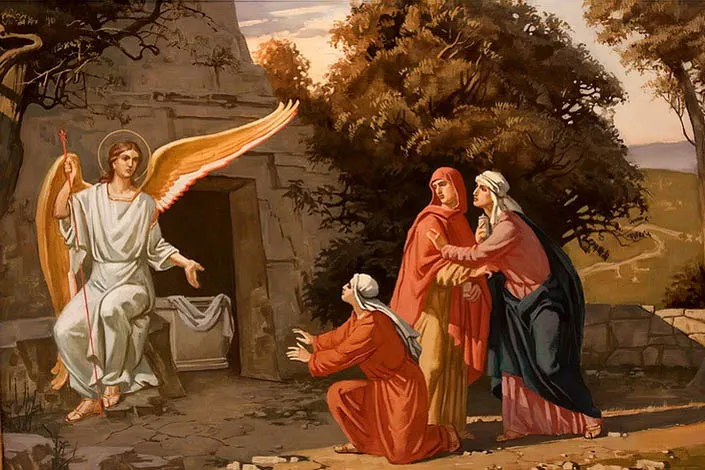
On September 13, 2026, Christians of the Eastern tradition celebrate the Commemoration of the Dedication, or consecration, of the Church of the Holy Sepulcher in Jerusalem. This commemorates an event in the year 335, when a grand church complex—built during the reign of Emperor Constantine the Great on the site associated with the crucifixion, burial, and resurrection of Jesus Christ—was solemnly consecrated. This day is also particularly important because it immediately precedes the Exaltation of the Holy and Life-Giving Cross, which is celebrated on September 14.
The commemoration of the restoration of the Church of the Holy Sepulcher in Jerusalem is observed annually on September 13. In 2026, this date falls on a Sunday. It comes immediately before the Exaltation of the Holy and Life-Giving Cross of the Lord, which falls on September 14. That is why there is a close connection between the divine services on these two days. In the Ukrainian church tradition, this day is also called “The Resurrection of the Word.” The name may seem unusual, but its meaning is quite simple. It refers to the feast in honor of the Church of the Resurrection, not to the Resurrection of Christ itself, which the Church celebrates on Easter. In other words, September 13 commemorates not the event of Jesus’ resurrection, but the consecration of the church dedicated to that event.

In the UGCC calendar for 2026, September 13 marks several related events: The commemoration of the restoration of the Church of the Holy Resurrection of Christ and Our God, the Vigil of the Exaltation of the Holy Cross, and the commemoration of the holy martyr Cornelius. This shows just how significant this day is in the church calendar. The commemoration of the consecration of the church, meanwhile, has its own liturgical tradition.
What Does the “Renewal” of the Church Mean?
The word “renewal” in the name of the feast can be a bit confusing. In this case, it does not refer to the repair of a building in the modern sense. The ecclesiastical term refers to the solemn consecration of a church after its construction and its introduction into liturgical life. In church texts, this event is also referred to as the consecration of the Church of the Resurrection of Christ. That is why both terms—“renewal” and “consecration”—can be found in the calendars. The feast day commemorates an event that took place in Jerusalem in the year 335.

For Christians, this church holds special significance. It was built precisely where, according to church tradition, the key events of the final days of Christ’s earthly life took place. Within the church complex are sites associated with Golgotha and the Holy Sepulcher. Therefore, the consecration of this church became a significant event not only for the local community but also for Christians around the world. A vast part of the history of Christian Jerusalem is connected with this very shrine. For centuries, pilgrims have come here to pray at the sites that the Church associates with Christ’s crucifixion and resurrection. That is why the memory of the church’s consecration has been preserved in the liturgical calendar even after many centuries.
How the Church of the Holy Sepulcher Came to Be
The history of the church began after the persecution of Christians in the Roman Empire came to an end. During the reign of Emperor Constantine the Great, Christians were given the opportunity to openly build churches and establish places of worship. It was then that the opportunity arose to restore the Christian holy sites in Jerusalem. Prior to this, the site associated with Golgotha and the Holy Sepulcher had undergone significant changes. In the 2nd century, by order of Emperor Hadrian, pagan structures were erected on the site that Christians considered holy. According to church tradition, this is why the holy sites were hidden beneath other structures.
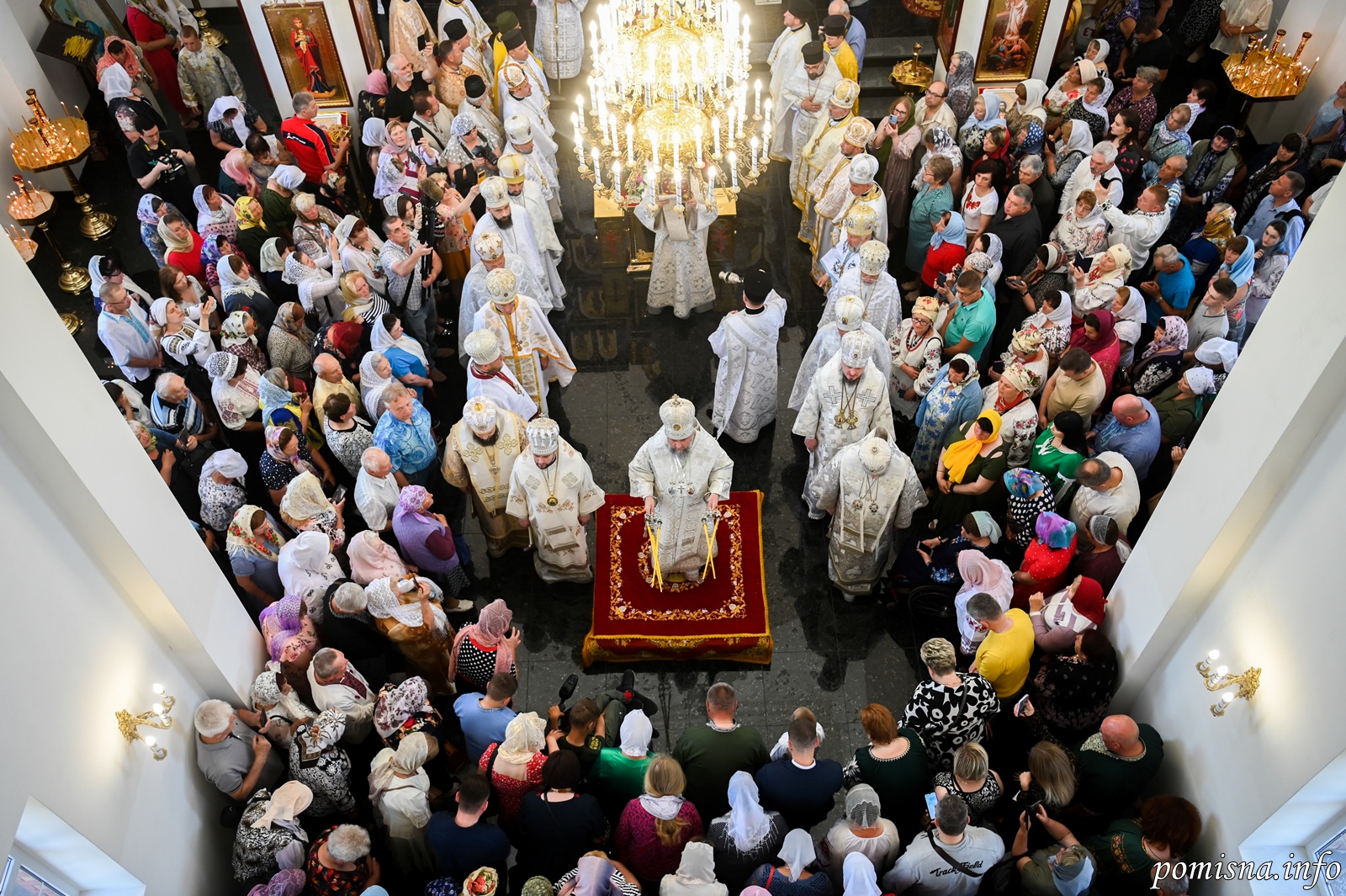
When Christianity began to receive official recognition in the empire, Emperor Constantine decided to build a large church complex in Jerusalem. His mother, Saint Helena, Equal to the Apostles, also joined this effort. In church tradition, her name is particularly associated with the search for holy sites in Jerusalem. Construction lasted about ten years. The complex included several important parts, notably a basilica and the Church of the Holy Sepulcher. It brought together the sites that Christian tradition associates with the crucifixion, burial, and resurrection of Jesus Christ.
What Happened on September 13, 335
It was on September 13, 335, that the solemn consecration of the Church of the Holy Sepulchre in Jerusalem took place. The event was a major occasion for its time. Bishops from various regions arrived in the city, and church leaders who had been in Jerusalem following the Council of Tyre took part in the celebration. The consecration of the church became a symbol of a new era in the history of Christianity. Whereas believers had previously often been forced to gather in secret or suffer persecution, they could now pray openly in a grand church. This was particularly important for Jerusalem, as the city was considered one of the main centers of the Christian world.

According to church sources, the celebrations were so grand that hierarchs from Bithynia, Thrace, Cilicia, Cappadocia, Syria, Mesopotamia, Phoenicia, Arabia, Palestine, and Egypt. In other words, the event effectively brought together representatives of Christian communities from a vast territory. Interestingly, the date of the consecration was also linked to an important political event. The celebrations coincided with the 30th anniversary of Emperor Constantine the Great’s reign. Therefore, the church festival became even more grand and held special significance for the Christian empire of that time.
Why Is This Event Linked to the Exaltation of the Cross?
At first glance, it may seem strange that the consecration of the church on September 13 appears on the calendar right next to the Exaltation of the Cross on September 14. In fact, these events are historically very closely linked. The Church of the Resurrection was built specifically as part of a complex of holy sites associated with Golgotha and the Holy Sepulcher. And according to church tradition, the Cross of the Lord was also found during that same period. Therefore, the day after the consecration of the church, a solemn celebration of the Cross took place.

Thus, the connection between the two September dates gradually took shape. On September 13, the Church commemorates the consecration of the Church of the Resurrection, and on September 14—the Exaltation of the Precious and Life-Giving Cross. That is precisely why, in the liturgical tradition, these days are viewed as parts of a single festive cycle. The OCU also explained that the feast of the renewal of the church on September 13 was an important milestone in the ancient Jerusalem liturgical calendar. It effectively marked the beginning of a new liturgical period. Therefore, September 13 is not simply “the day before the Exaltation.” It has its own historical significance and its own liturgical commemoration.
What Is the Church of the Holy Sepulcher?
Today, the shrine in question is known primarily as the Church of the Holy Sepulcher in Jerusalem. It is one of the most important Christian churches in the world. For millions of pilgrims, it is a place where they can pray at the holy sites associated with the final events of Jesus Christ’s earthly life. The church complex has a complex history. Over the centuries, it has been destroyed, rebuilt, and restored many times. As a result, the shrine’s current appearance differs significantly from the structure consecrated in 335.

Despite this, local tradition preserves the memory of the ancient church of Constantine. It was the consecration of this church that became the basis for the annual church commemoration on September 13. The name “Church of the Resurrection of Christ” emphasizes its connection to the Resurrection, while the name “Church of the Holy Sepulcher” is more commonly used in modern descriptions of the shrine. The church still houses some of Jerusalem’s most important Christian holy sites. That is why it remains one of the main stops on pilgrimage routes for Christians from various countries.
What This Day Means for Believers
The commemoration of the church’s consecration has more than just historical significance. In church tradition, the church is viewed as a place of a special encounter between a person and God. Therefore, the commemoration of the church’s consecration provides an opportunity to reflect on a person’s inner “renewal.” The liturgical texts for this day include prayers asking for spiritual renewal. One of the kondaks speaks of the “renewal of the Spirit in our hearts” and the enlightenment of those who participate in the celebration with faith.
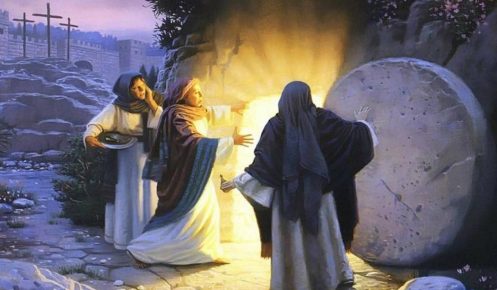
This idea remains important today. A church can be rebuilt or consecrated, but for a Christian, it is no less important to pay attention to one’s own inner state. The commemoration on September 13 reminds us that faith is not merely about walls, icons, or rituals, but also about how a person lives and treats others. Therefore, on this day, believers can pray for themselves and their loved ones, ask for forgiveness, give thanks for important things, and reflect on what needs to change in their own lives. This approach aligns well with the very meaning of the word “renewal.”
How the Commemoration of the Renewal of the Church Is Observed
This is first and foremost a religious, not a secular, observance. It is commemorated during the Divine Liturgy, where the history of the Church of the Resurrection of Christ and the event of its consecration are recalled. The liturgical calendar includes special readings and hymns for this day. Believers can come to church for the Liturgy, pray, and light a candle. Special attention can be given to praying for one’s family, for peace, and for people facing difficult circumstances. It is not necessary to invent any special home rituals on this day.

For a Christian, the meaning of the day is more important than external celebrations. You can read the history of the Church of the Holy Sepulcher, talk with your children about Jerusalem and the significance of this holy site. If possible, you can also attend the service at your parish. Since September 13, 2026, falls on a Sunday, Sunday services will also be held in churches on that day. The Service of Remembrance and Renewal will be combined with the liturgical texts of the Pre-Feast of the Exaltation.
Are there any special restrictions on this day?
The Feast of the Renewal of the Church should not be turned into a list of superstitious prohibitions. The Church does not teach that on September 13, a person is forbidden to do laundry, clean, work, or engage in other ordinary activities. If necessary work needs to be done, it may be performed. The main focus of this day should be on prayer and the meaning of the feast. If you have the opportunity to visit a church, that would be more appropriate than simply looking for a list of what “is not allowed.” Likewise, there is no need to fear accidentally violating some folk superstition.
It’s best to spend this day without arguments, hurt feelings, or unnecessary aggression. You can devote more attention to loved ones or help someone in need. In the Christian tradition, such actions carry far greater significance than everyday superstitions. It’s also worth remembering that September 13 is not Great Lent and is not a separate day of strict restrictions. According to the 2026 church calendar, there is no general fast on this day.
Interesting Facts About the Church of the Resurrection of Christ
The church was consecrated on September 13, 335. This date became the basis for the annual commemoration of the church’s consecration.
The construction is associated with Emperor Constantine the Great and his mother, Helena. The large church complex was built on a site that Christians believed to be connected to Golgotha and the Holy Sepulcher.
The consecration was a grand event. Bishops from many regions of the Christian world at that time traveled to Jerusalem.
September 13 is linked to September 14. The day after the consecration of the church, the Church celebrates the Exaltation of the Holy and Life-Giving Cross. That is why these two dates appear side by side on the calendar.
In ancient tradition, the feast is called “the Resurrection in Name.” This name is used to distinguish the commemoration of the Church of the Resurrection from the feast of Christ’s Resurrection—Easter.
The church complex has been rebuilt several times. The current building is the result of centuries of history, so it is not an exact replica of the church that was consecrated in the 4th century.
Why This Commemoration Remains Important
Almost 1,700 years have passed, but the commemoration of the consecration of the church in Jerusalem still remains on the church calendar. For Christians, this is an opportunity to reflect on the history of a place considered one of the holiest sites in the Christian world. Through this date, the Church commemorates the events associated with Christ’s death and resurrection. At the same time, September 13 is not merely a history lesson. Church texts emphasize the spiritual renewal of the individual. In other words, the commemoration of the church’s restoration becomes an opportunity to reflect on one’s own life as well. This is particularly evident in the liturgical prayers. They contain petitions not only to preserve the sanctuary but also to renew the hearts of those who come to it with faith.

So there are very simple ways to observe this day: visit a church, pray for loved ones, do a good deed, or simply find time for a peaceful conversation with family. And most importantly—remember that behind the ancient story of the church lies a much deeper theme: faith, hope, remembrance, and the human desire to start life anew. On September 13, 2026, the commemoration of the restoration of the Church of the Holy Sepulcher in Jerusalem coincides with the vigil of the Feast of the Exaltation of the Holy Cross. This is the day when Christians commemorate the consecration of the great Jerusalem shrine in 335 and prepare for one of the most important Christian feasts—the Exaltation of the Precious and Life-Giving Cross.


