
October 16, 2026 — John Paul II Day: How a Pole Became Head of the Catholic Church
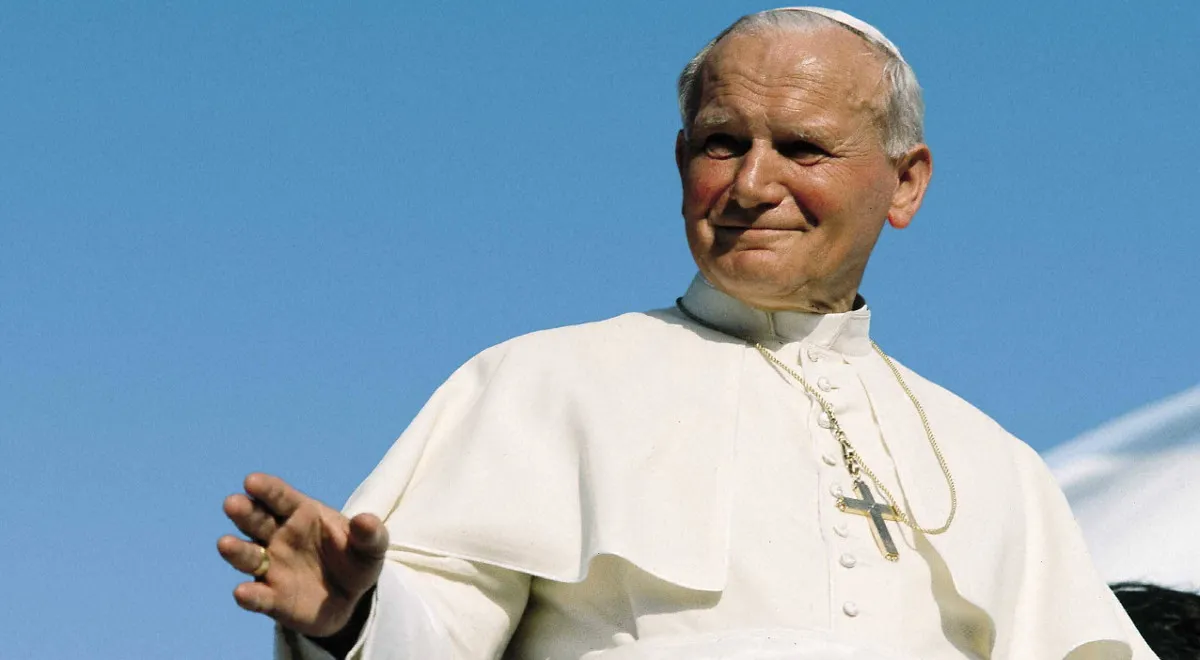
October 16 is Pope John Paul II Day in Poland—a holiday honoring the first Pole in history to lead the Catholic Church. It was on this day in 1978 that Cardinal Karol Wojtyła was elected Pope. For Poles, he became not only a religious leader but also a symbol of hope and the struggle for freedom during the communist regime.
In Poland, Pope John Paul II Day falls on October 16 every year. In 2026, it will be observed on a Friday. The date was chosen to commemorate an event that was significant not only for Polish Catholics but also for the history of the entire country: on October 16, 1978, Cardinal Karol Wojtyła became the head of the Catholic Church and took the name John Paul II. The holiday has national status. It was established by the Polish Sejm in July 2005, a few months after the pontiff’s death. The law referred to honoring a man who emphasized the importance of solidarity, courage, humility, determination, and mutual understanding. In this way, the Polish authorities sought to preserve the memory of his work and to remind people of the values he championed.
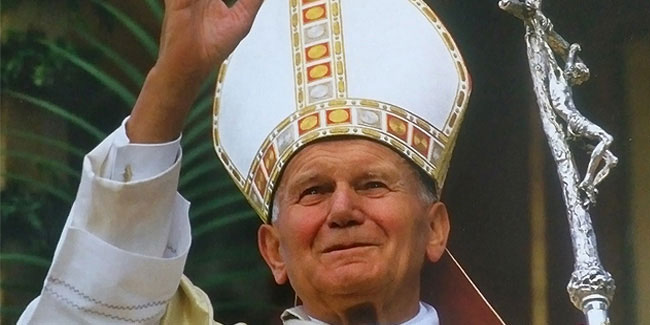
At the same time, Pope John Paul II Day is not a public holiday. Schools, offices, and businesses operate as usual. The main events are commemorative, educational, and religious in nature: people attend church services, participate in gatherings, concerts, and themed events.
How Karol Wojtyła Became Pope
The future pope was born on May 18, 1920, in the Polish town of Wadowice, near Kraków. His name was Karol Józef Wojtyła. As a child, he suffered several tragic losses: his mother died when he was nine years old, and his older brother Edmund died a few years later. Karol’s father died in 1941, while Poland was under German occupation.

Before entering the priesthood, Wojtyła was interested in literature, theater, and philosophy. He studied at Jagiellonian University in Kraków, but his studies were interrupted by the outbreak of World War II. To earn a living and avoid deportation to Germany for forced labor, he worked in a quarry and later at a chemical plant. At the same time, Karol felt a calling to the priesthood and continued his studies at an underground seminary. In 1946, he was ordained a priest. He later became a bishop and, in 1964, Archbishop of Kraków. In 1967, Pope Paul VI appointed him a cardinal. Wojtyła gradually gained authority within the Catholic Church thanks to his theological work, pastoral ministry, and ability to connect with people of all ages.
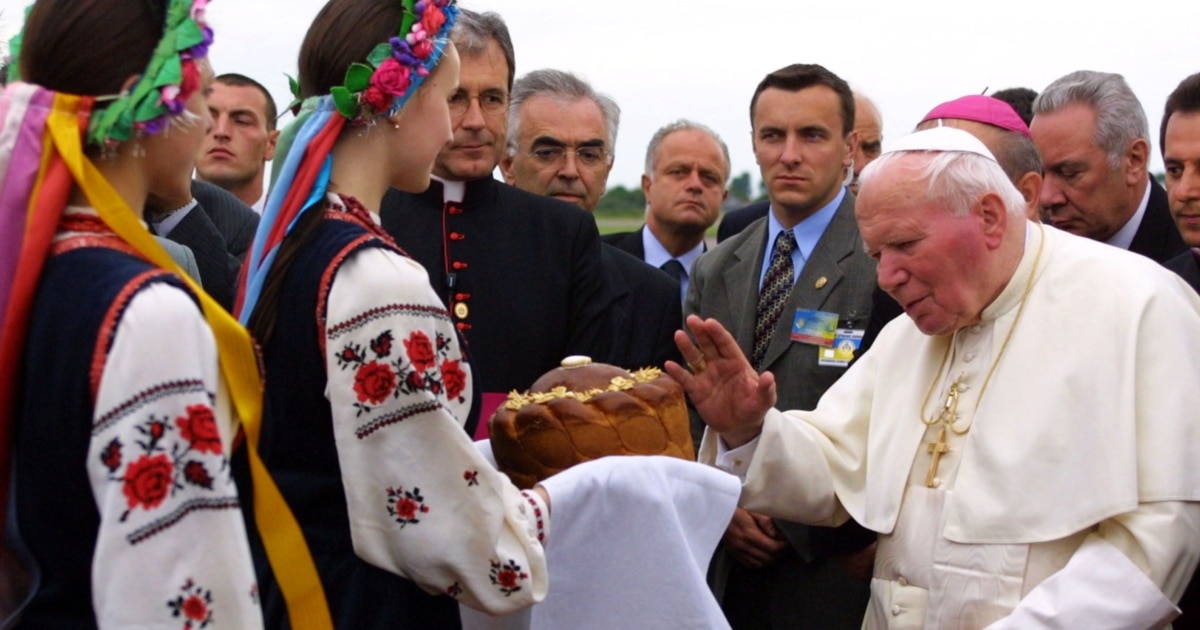
In the fall of 1978, following the death of Pope John Paul I, the cardinals gathered at the Vatican to elect a new pontiff. On October 16, they elected Karol Wojtyła. He became the first Pope from Poland and the first pontiff in over four centuries who was not from Italy. For a country then under communist rule, this news held special significance.
Why His Pontificate Was Historic
John Paul II led the Catholic Church for over 26 years—from October 1978 to April 2005. It was one of the longest pontificates in history. During this time, he became known far beyond the religious world, meeting with political leaders, visiting various countries, and calling for peace, dialogue, and respect for human dignity.
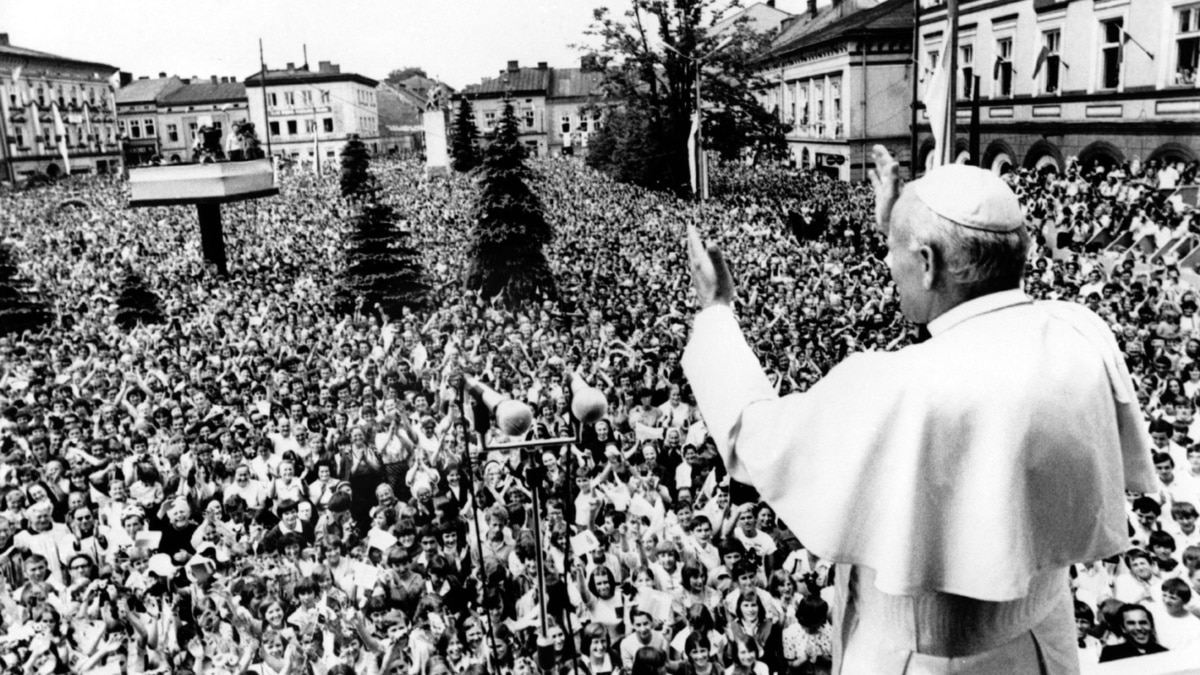
One of the hallmarks of his ministry was his numerous trips abroad. According to the Polish Institute of National Remembrance, during his pontificate, John Paul II undertook 104 international apostolic journeys and visited 129 countries. He sought to meet with the faithful in person, rather than limiting himself to addresses from the Vatican. Because of this, he was often called the “Traveling Pope.” The themes of freedom, solidarity, and responsibility for others played a central role in his speeches. He emphasized that every person possesses dignity regardless of origin, social status, or political circumstances. These ideas resonated particularly strongly in countries where citizens lived under conditions of restricted freedoms.
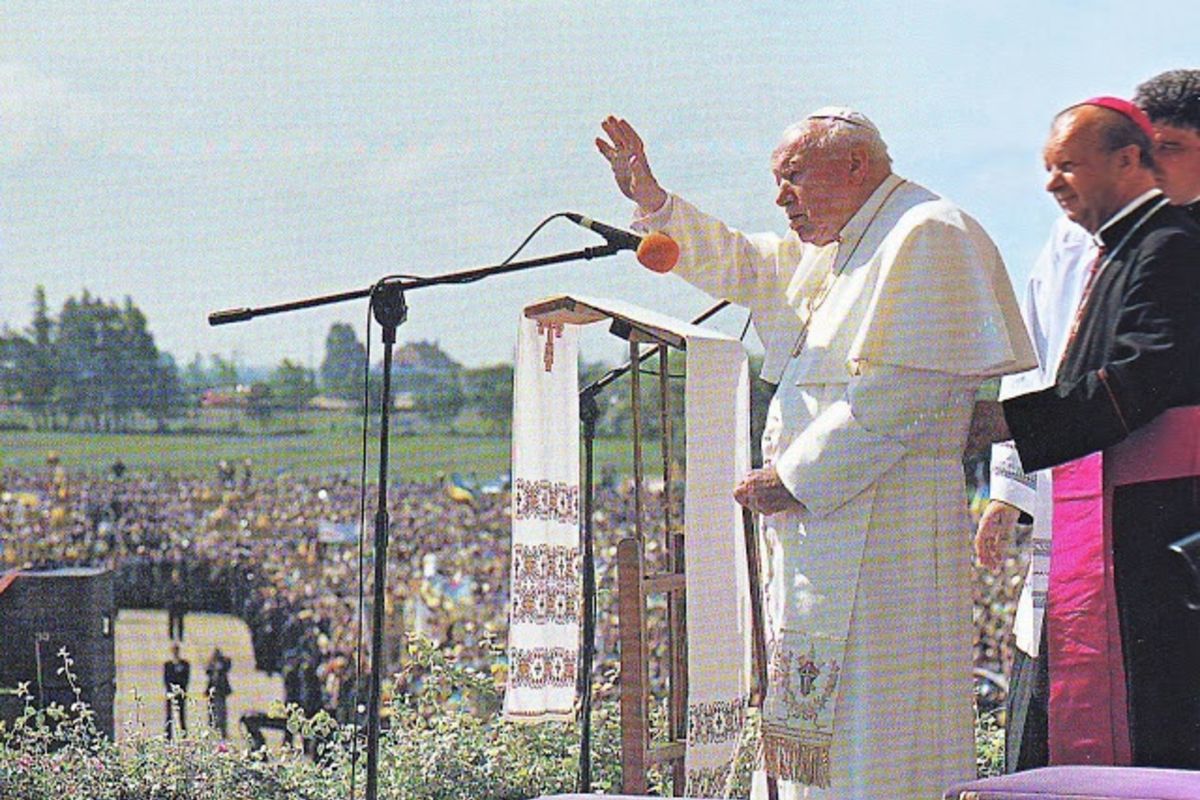
For Poland, John Paul II became one of the key figures of the second half of the 20th century. His words and actions influenced public sentiment during a period when the country was under the rule of the Communist Party. At the same time, his historical role is viewed in a broader context: the changes in Poland were the result of the actions of many people and social movements, not just a single political or religious leader.
How the Pope Supported Poles in Their Struggle for Freedom
John Paul II’s first visit to Poland in June 1979 was of particular significance. At that time, the country was part of the socialist bloc, and the political system restricted freedom of speech and the activities of independent organizations. The Pope visited Warsaw, Gniezno, Częstochowa, Kraków, Wadowice, and other cities. Huge crowds gathered for his Masses.
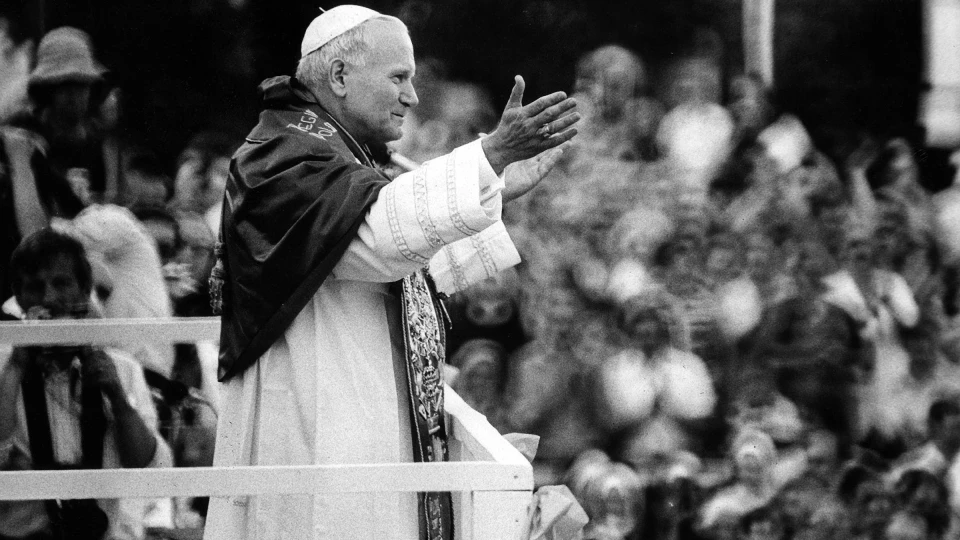
During Mass in Warsaw, he uttered words that have become some of the most famous in Polish history: “May Your Spirit descend! And renew the face of the earth. This land.” Although this was a religious appeal, many Poles also interpreted it as a symbolic call for change. People realized that they were not alone in their aspirations and that society was capable of uniting around shared values.

A year later, the independent trade union movement “Solidarity” emerged in Poland, uniting workers, civic activists, and opponents of the communist regime. John Paul II supported people’s right to decent work, to organize, and to defend their interests. His stance was one of the factors that influenced public sentiment, although the movement itself had its own leaders and took shape thanks to the activism of millions of Poles.
The Polish Institute of National Remembrance notes that the Pope’s first visit helped people feel the power of social unity. It did not lead to the immediate fall of the communist regime, but it was an important milestone on the path to democratic change. Subsequently, “Solidarity” played a significant role in the negotiations between the government and the opposition, which paved the way for the political transformations of 1989.
How Poland Celebrates Pope’s Day
On October 16, events dedicated to the life and legacy of John Paul II are held in various cities across Poland. Churches organize services and prayers, while schools named after him host themed lessons, contests, exhibitions, and gatherings. Students may prepare presentations about his life, read excerpts from his speeches, or learn about the history of the Pope’s trips. Such events help younger generations understand why the pontiff holds a special place in Polish collective memory.

In some communities, concerts of sacred music, discussions, lectures, and flower-laying ceremonies at monuments to the Pope are organized. Separate commemorative events may be held at sites associated with his life. Special attention is given to Wadowice, where he was born, and Kraków, where he studied, served as a priest, and later became archbishop.
For the faithful, this day is also an opportunity to reflect on his sermons and spiritual teachings. The focus is not only on historical events but also on themes of mercy, supporting people in difficult circumstances, responsibility toward one’s neighbors, and respect for human dignity. At the same time, the format of the celebration varies across the country: each parish, school, or community sets its own program.
Pope’s Day and Papal Day Are Not the Same Thing
In Poland, there is another event dedicated to John Paul II—Papal Day (Dzień Papieski). It was established in 2001 and usually falls on the Sunday before the anniversary of Karol Wojtyła’s election as Pope. Therefore, the date changes every year, unlike Pope John Paul II Day, which is always celebrated on October 16.
Papal Day has a distinct social and charitable focus. One of its main initiatives is raising funds for scholarships for talented children and young people from families with limited financial means. This program is supported by the “Dzieło Nowego Tysiąclecia” (“Work of the New Millennium”) Foundation. The organizers describe it as a way to carry on the Pope’s legacy by helping young people obtain an education and develop their talents.

As part of Pope’s Day, concerts, prayer meetings, processions, and other events are also held. Each year, the organizers select a specific theme related to the teachings of John Paul II. Thus, these two dates complement each other: October 16 commemorates the historic election of the Polish Pope, while Pope’s Day focuses on his spiritual legacy and charitable work.
Interesting Facts About John Paul II
- He was the first Pope from Poland. Until Karol Wojtyła’s election in 1978, the Catholic Church had been led by pontiffs of Italian origin for over four centuries. His election came as a surprise to many people around the world and held special significance for Poles.
- He survived an assassination attempt. On May 13, 1981, he was shot in St. Peter’s Square in the Vatican. The Pope suffered serious injuries but survived after receiving medical treatment. He later met with his assailant, Mehmet Ali Agca, in prison and publicly spoke of forgiveness. This episode became one of the most famous events of his pontificate.
- He had a close connection with young people. John Paul II devoted a great deal of attention to young people and supported the development of World Youth Days—international gatherings of Catholic youth. During these events, thousands and even millions of participants gathered for prayer, worship, and fellowship. For many, this was an opportunity to feel part of an international community.
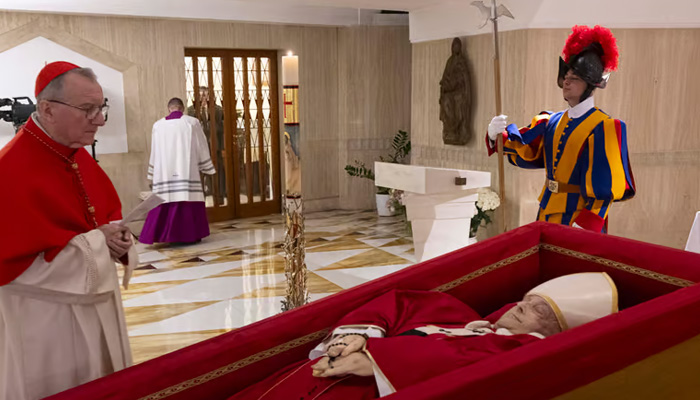
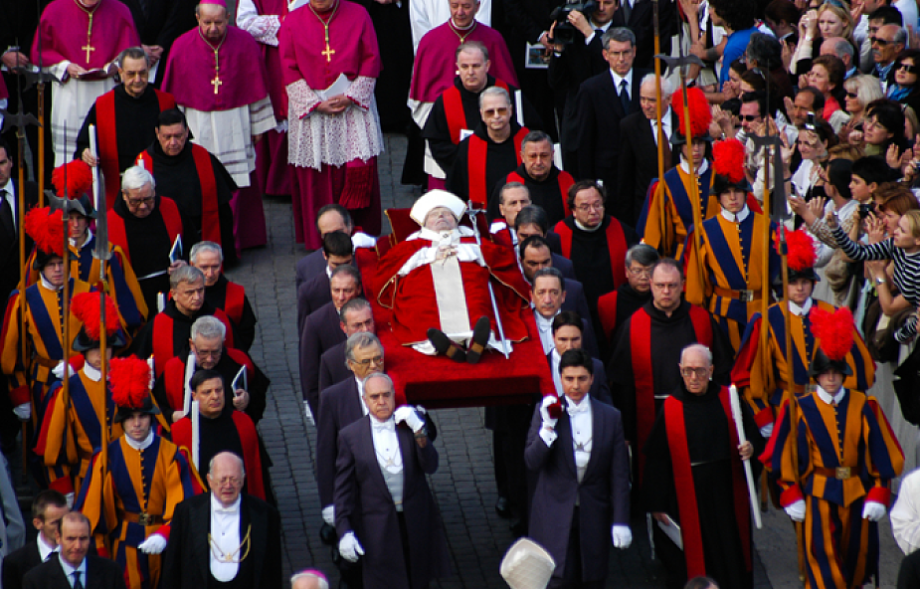
- He was canonized in 2014. After his death on April 2, 2005, John Paul II was beatified in 2011, and on April 27, 2014, Pope Francis proclaimed him a saint of the Catholic Church. Since then, he has been referred to as Saint John Paul II in the Catholic tradition.
- His legacy remains a subject of public debate. For many Poles, he is a symbol of faith, national dignity, and peaceful resistance to communism. At the same time, certain aspects of his actions and the Church leadership’s response to cases of sexual abuse by the clergy have been the subject of criticism and historical research. Therefore, contemporary reflections on his legacy encompass both his significant influence on Polish history and complex issues related to the activities of the Catholic Church.
Why This Date Is Important for Poland
Pope John Paul II Day commemorates an event that extended far beyond the boundaries of church history. The election of Karol Wojtyła became a symbol of international recognition for a Polish spiritual leader at a time when the country did not enjoy full political freedom. His subsequent travels, speeches, and advocacy for human dignity shaped public sentiment and became part of the history of democratic change in Poland.
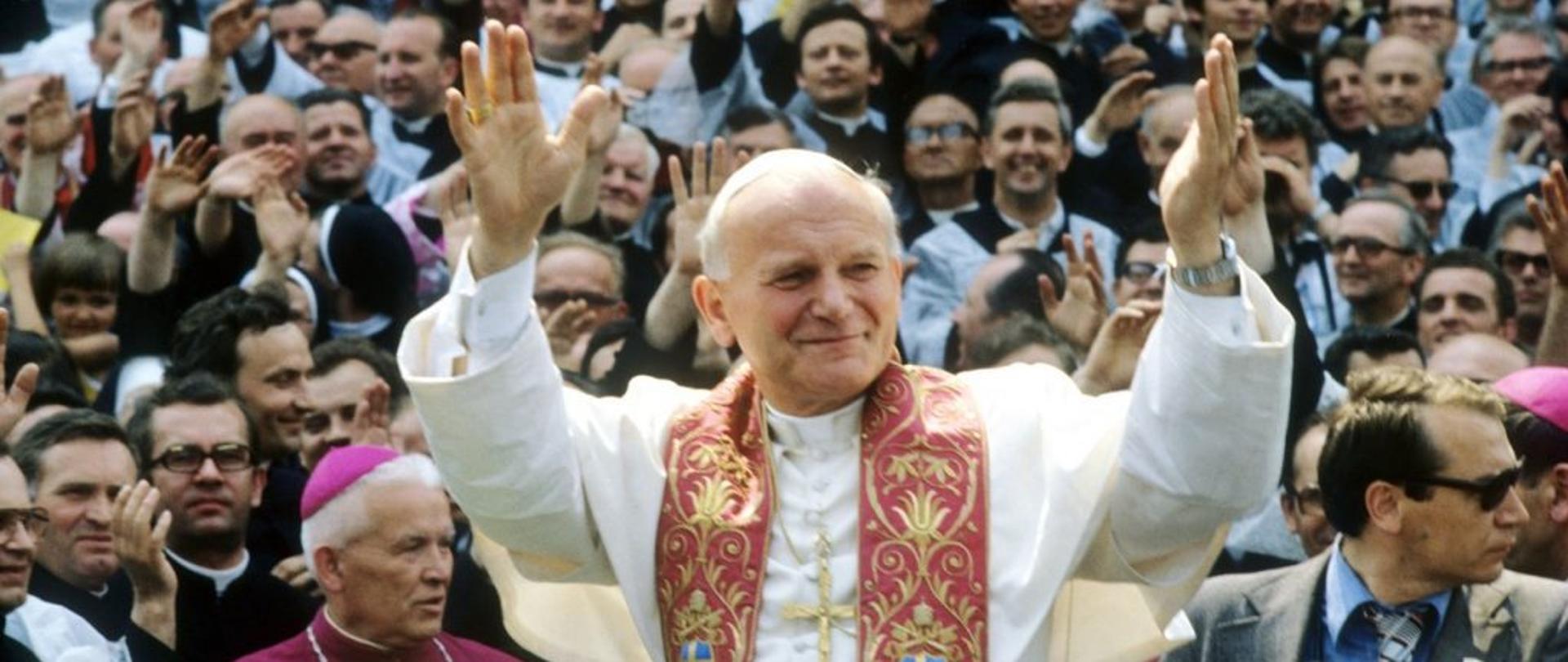
For some, this day has primarily religious significance. For others, it is an occasion to reflect on Poland’s role in European history at the end of the 20th century. And for younger generations, it is an opportunity to learn how one person could influence society through his words, convictions, and public activities. On October 16, Poland honors more than just the former head of the Catholic Church. This date also serves as a reminder of the importance of freedom, solidarity, and responsibility—values that John Paul II repeatedly emphasized in his speeches. That is why he remains a prominent figure in Poland’s historical memory to this day.




