
Holiday on July 19, 2026: Japan Celebrates Women Ministers' Day
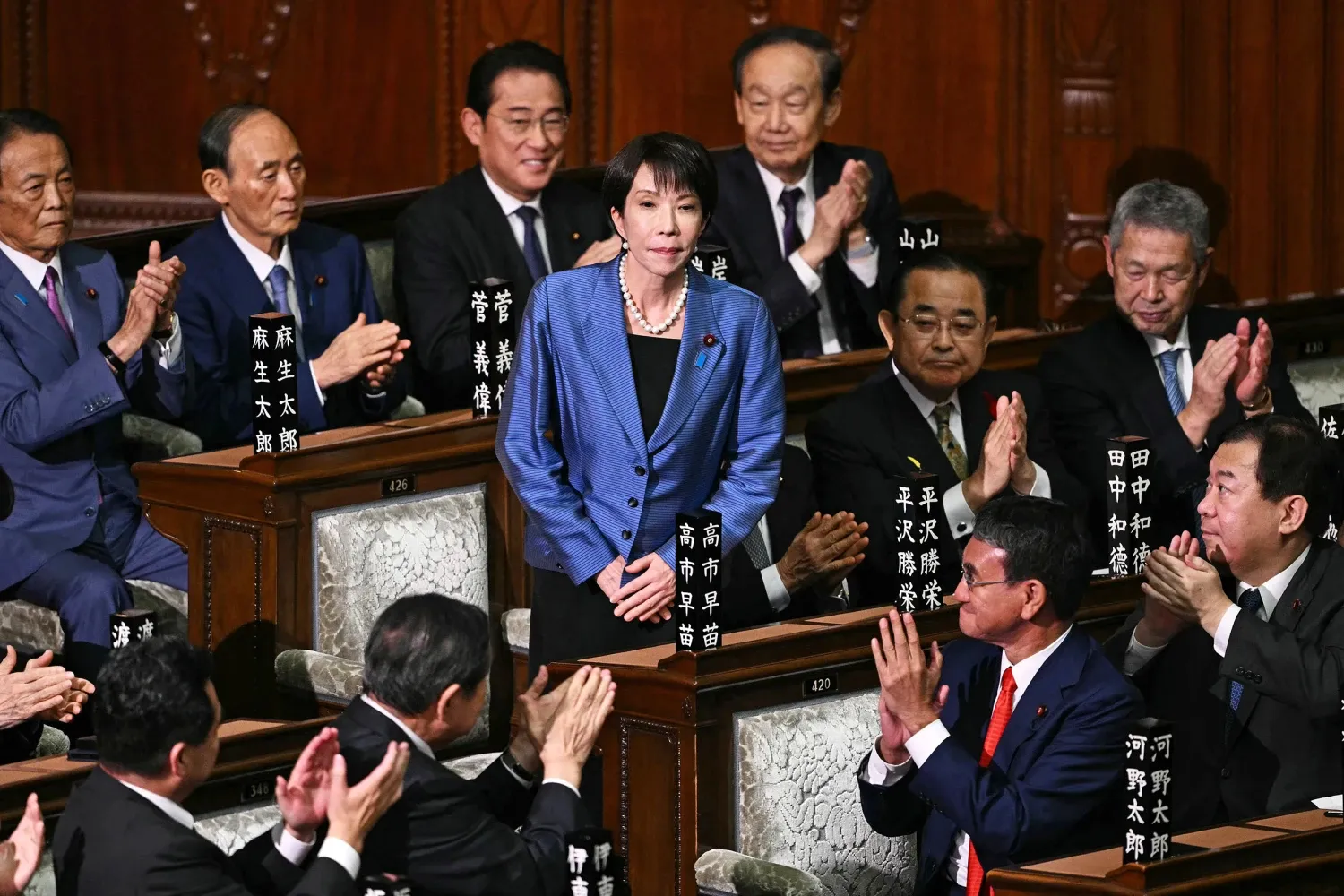
July 19 is celebrated in Japan as Women Ministers’ Day. This date commemorates an important event in the country’s history—it was on this day that women were first appointed to the Japanese government, marking a new chapter in the nation’s political life.
The holiday is not an official day off, but it holds symbolic significance. Every year on July 19, Japan commemorates the role of women in public administration, equal opportunities, and the changes that have taken place in politics over the past decades.
Every year on July 19, Japan celebrates Women Ministers’ Day. This commemorative date marks the first appointment of women to the country’s government. The holiday serves as a reminder that even in a nation with centuries-old traditions, new opportunities for women in politics have gradually opened up.

Although this day is not a national holiday, it holds great social significance. For many Japanese people, it is an occasion to reflect on how the role of women in the country’s leadership has evolved, and to discuss the progress that has already been made and the challenges that remain. Today, Women Ministers’ Day symbolizes not only a historic event but also the pursuit of equal representation of women and men in government.
Why is the holiday celebrated on July 19?
The date is linked to events in 1960. It was on July 19, 1960, that Japanese Prime Minister Hayato Ikeda formed a new government that, for the first time in the country’s history, included women.
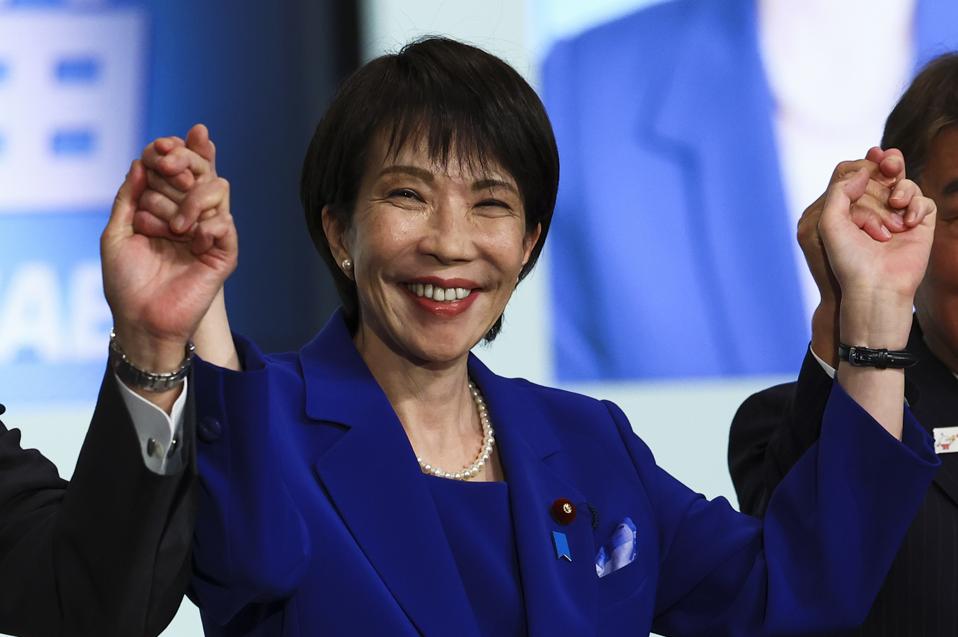
The first female ministers were Masa Nakayama, who headed the Ministry of Health and Social Security, and Tokuko Kashiwa, who was appointed Director of the Science and Technology Agency. This marked a true breakthrough in Japanese politics. Until then, all ministerial positions had been held exclusively by men. That is why July 19 is considered a symbolic date that marked the beginning of a new era of women’s participation in government.
What Was the Role of Women in Japanese Politics?
For many centuries, Japanese society remained quite conservative. Women were primarily responsible for family and household duties, while politics and public administration were considered men’s work.

After World War II, the situation began to gradually change. The 1947 Constitution of Japan enshrined equal political rights for women and men, and Japanese women gained the right to vote and to be elected to parliament. However, the path to high-level government positions remained a long one. That is why the appointment of women to the government in 1960 became a historic event for the country.
Who Was the First Female Minister?
Masa Nakayama became one of the most prominent figures of that era. Not only was she the first woman to hold a ministerial portfolio, but she also went on to make history as one of the most influential Japanese female politicians of the 20th century.

Nakayama was actively involved in issues of education, social policy, and the protection of citizens’ rights. Her career served as an example for many women who later decided to devote their lives to public service. It is her name that is most often mentioned on Women Ministers’ Day.
How the Situation Has Changed Today
Over the past few decades, the number of women in Japanese politics has been gradually increasing. Women serve in parliament, hold positions in the government, head various ministries, and occupy leadership roles in government agencies.
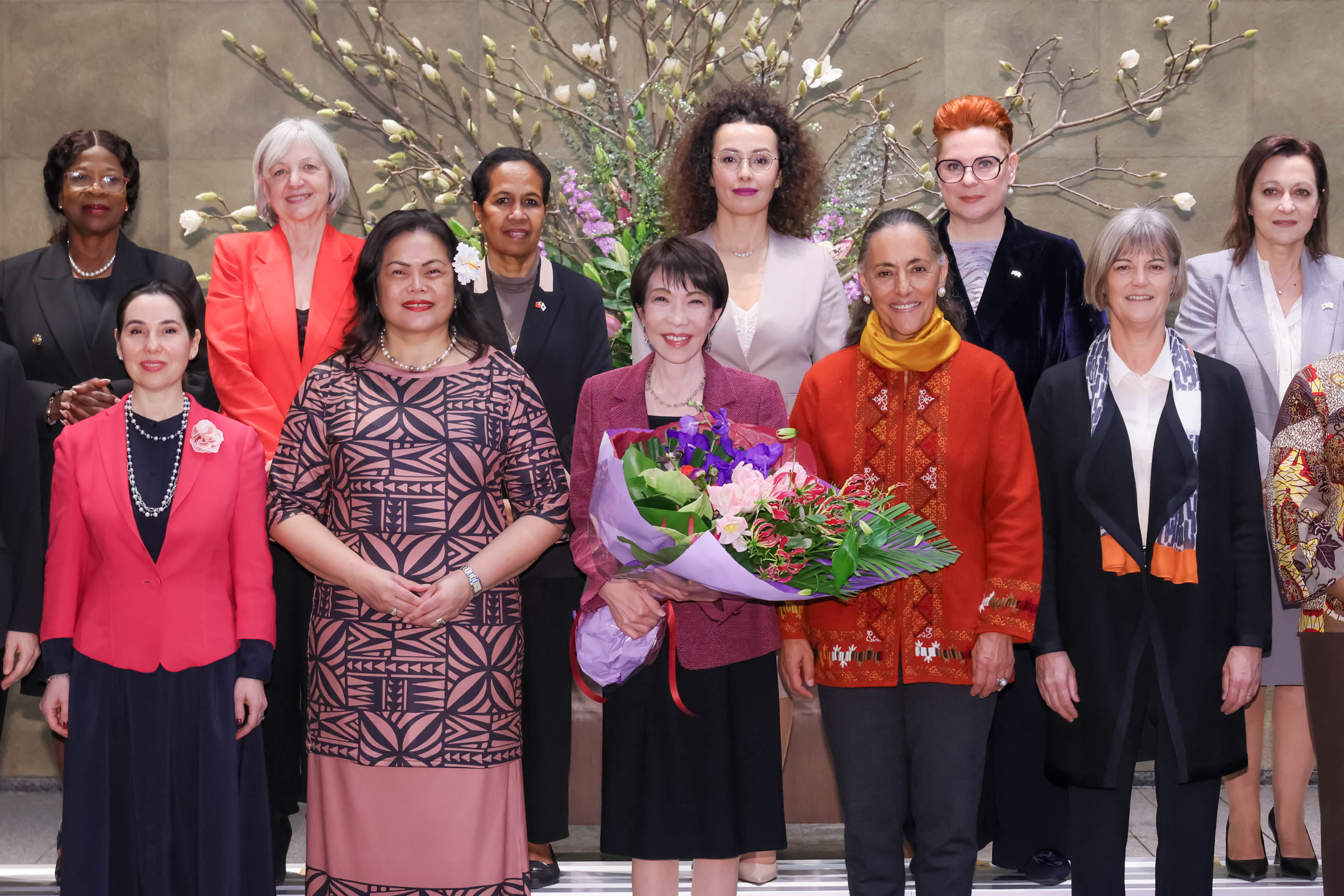
At the same time, Japan still ranks among the countries where women’s representation in politics is lower than in many other developed nations. That is why the issue of equal opportunities is regularly discussed in society, and Women Ministers’ Day has also become an occasion to talk about further changes.
How Women Ministers’ Day Is Observed
There are usually no large-scale celebrations of this day in Japan. On July 19, themed conferences, lectures, roundtables, and public discussions are held, focusing on the role of women in politics and public administration.

Universities, civic organizations, and research centers organize events to commemorate the history of the first female ministers and discuss contemporary challenges. The media publishes articles about prominent Japanese female politicians, and on social media, users share stories of women who have contributed to the country’s development.
Interesting Facts
Japan was one of the last major economies in the world where women began to hold high-level government positions on a large scale. Despite the country’s rapid development, politics remained a male-dominated field for a long time.

In recent years, women have served in the Japanese government, heading the Ministry of Defense, the Ministry of Justice, the Ministry of Foreign Affairs, and other key agencies. There is also active discussion in the country about increasing the number of women among election candidates and in leadership positions in the public sector. Researchers note that diversity in government helps ensure that a broader range of public interests is taken into account during decision-making.
Why This Day Is Important
Women Ministers’ Day is not merely a commemoration of a historical date. It serves as a reminder that social change often begins with a single significant step. The appointment of the first women to the Japanese government in 1960 was precisely such a step.

Today, this holiday symbolizes the pursuit of equal opportunities, professional development, and fair representation of all citizens in public administration. “Historic change begins when someone opens the door for others for the first time”—this sentiment best captures the significance of Women Ministers’ Day. On July 19, Japan honors the women who were pioneers in high-level politics and celebrates the country’s progress toward a more open and equitable society.


