
Holiday on July 22, 2026: King Sobuza’s Birthday and Society Day in Eswatini
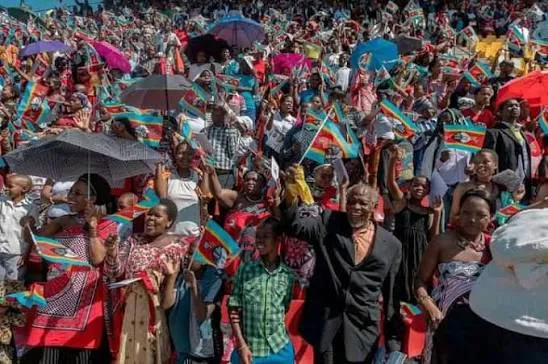
On July 22, the African kingdom of Eswatini (formerly Swaziland) celebrates King Sobhuza’s Birthday and Society Day. This is one of the country’s most important national holidays, combining the honoring of the monarch with national traditions and the cultural heritage of the Swazi people.
Every year on July 22, the people of Eswatini celebrate an official national holiday dedicated to the birthday of King Mswati III. In the country, this date is also associated with the memory of his father—the legendary King Sobhuza II, who was one of the longest-reigning monarchs in world history. That is why many sources refer to the holiday as King Sobhuza’s Birthday or King’s Day.
For the people of Eswatini, this date means much more than just a personal celebration of the head of state. It symbolizes the country’s unity, respect for traditions, history, and the monarchy, which remains the foundation of the state’s political system to this day. On this day, people come together to celebrate their culture and express their support for the king. The holiday’s second name—Community Day—emphasizes precisely this unity among citizens. The focus is not only on the festivities but also on community events that bring different generations together.
How This Holiday Came to Be
The Kingdom of Eswatini is one of the few countries in the world where an absolute monarchy has been preserved. The king plays an important role not only in governing the state but also in preserving the traditions, customs, and culture of the Swazi people. King Sobhuza II left an indelible mark on the country’s history. He was born in 1899 and became ruler while still a child. In total, his reign lasted more than 80 years, making him one of the longest-reigning monarchs in human history. It was during his reign that the country gained independence from Great Britain in 1968.
After Sobhuza II’s death, the throne passed to his son, Mswati III, who has ruled the country since 1986. The current king’s birthday has become a national holiday, and the memory of his father still holds a special place in the country’s history.
How the Celebrations Unfold
Festive events take place throughout most of the country. The central event is a large official gathering attended by the king, members of the royal family, the government, diplomats, and representatives of local communities. During the festivities, the national anthem, traditional music, and congratulatory speeches are featured. The king addresses the citizens in a speech in which he discusses the country’s development, the economy, education, youth, and future plans. For many residents, this speech is the highlight of the day.
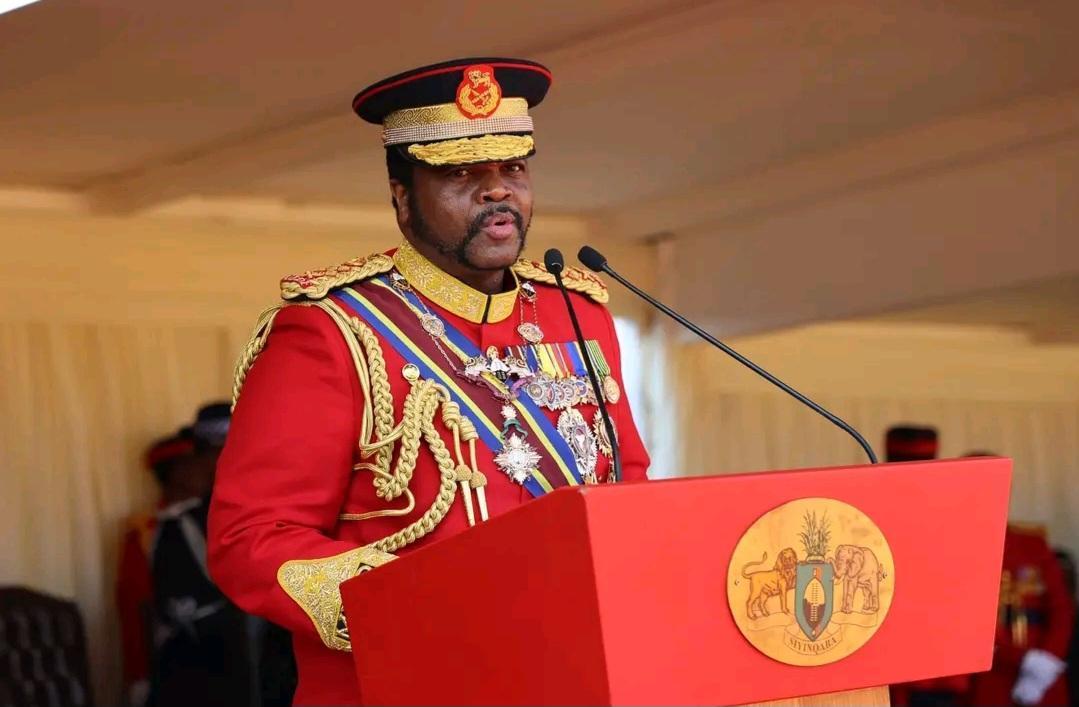
Various regions host concerts, festivals, sports tournaments, and cultural programs. Local groups perform folk dances, sing traditional songs, and introduce guests to Eswatini’s culture. Schools, communities, and cities host festive gatherings, fairs, and charity events. Separate contests and performances are often organized for children, and in the evening, many cities host open-air concerts.
Community Day
Community Day holds a special place in the celebrations. Its main purpose is to remind people of the importance of mutual aid, support, and respect for one another. On this day, many communities organize joint community service projects, plant trees, help the elderly, or raise funds for charitable projects. Such initiatives are considered an important part of the holiday.
Residents also visit relatives, gather with extended families, prepare traditional dishes, and spend time together. That is why Society Day is often called a holiday of unity and mutual support.
Holiday Traditions
During the celebrations, many residents wear the national svazi attire. Men carry traditional shields and spears as a symbol of respect for their people’s history, while women adorn their festive costumes with colorful fabrics and beaded necklaces.
One of the most vibrant traditions remains the mass folk dances. Hundreds of people of all ages take part in them. Such performances symbolize community solidarity and respect for ancestors. During official events, traditional drums are played, ancient songs are performed, and elders tell the young people stories about the kingdom’s origins and its rulers.
Interesting Facts
Eswatini is one of the few countries in the world where the king has very broad powers. The monarch participates in appointing the government, influences the country’s political life, and remains the chief symbol of the state. Until 2018, the country was officially known as Swaziland. The name was changed to Eswatini, which means “land of the Swazi” in the Swazi language. This decision was made by King Mswati III himself.
King Sobhuza II went down in world history as one of the longest-reigning monarchs. His reign lasted more than eight decades. He also had a very large family—according to various sources, more than 70 wives and over 200 children. The current King Mswati III continues to uphold traditional festivals that draw thousands of people each year. The most famous of these are Umhlanga—the Reed Dance, Inkwala—the first fruits ceremony, and the celebration of the monarch’s birthday.
Why This Holiday Remains Important
For the people of Eswatini, King Sobhuza’s Birthday and Society Day are more than just a national holiday. It is a day when the country reflects on its history, honors its traditions, and reaffirms the importance of unity.
The holiday combines official ceremonies, folk customs, cultural performances, and family gatherings. It helps preserve national identity and pass on traditions to future generations, remaining one of the most important events of the year in Eswatini.


