
Holiday on September 23, 2026 — Blessed Rain Day in Bhutan
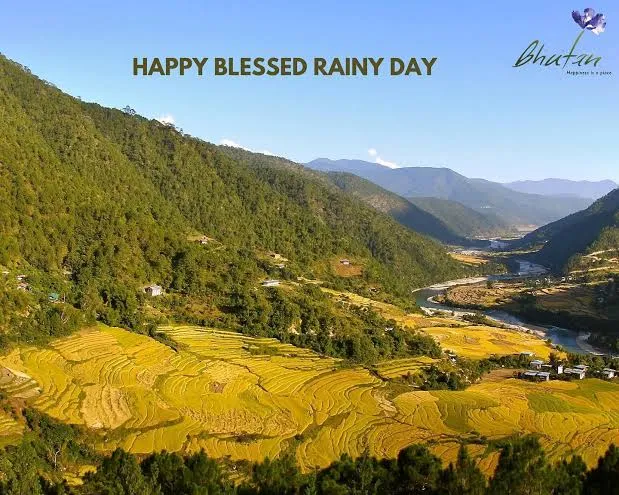
On September 23, 2026, Bhutan celebrates the Blessed Day of Rain—one of the country’s unique traditional holidays. On this day, natural water is considered particularly auspicious for purification, so people bathe in rivers, streams, and other bodies of water. The holiday has not only religious but also cultural significance and is an official holiday in Bhutan.
Blessed Rain Day, or Thrue Bab, is celebrated annually in Bhutan in September. In 2026, the holiday falls on September 23, a Wednesday. On this day, the country observes an official holiday, so government offices, schools, and many businesses are closed. The date of the holiday is linked to the autumn equinox. It is during this period that the end of the monsoon season is traditionally viewed as a special natural event in Bhutan. In 2026, September 23 also coincides with the autumn equinox.
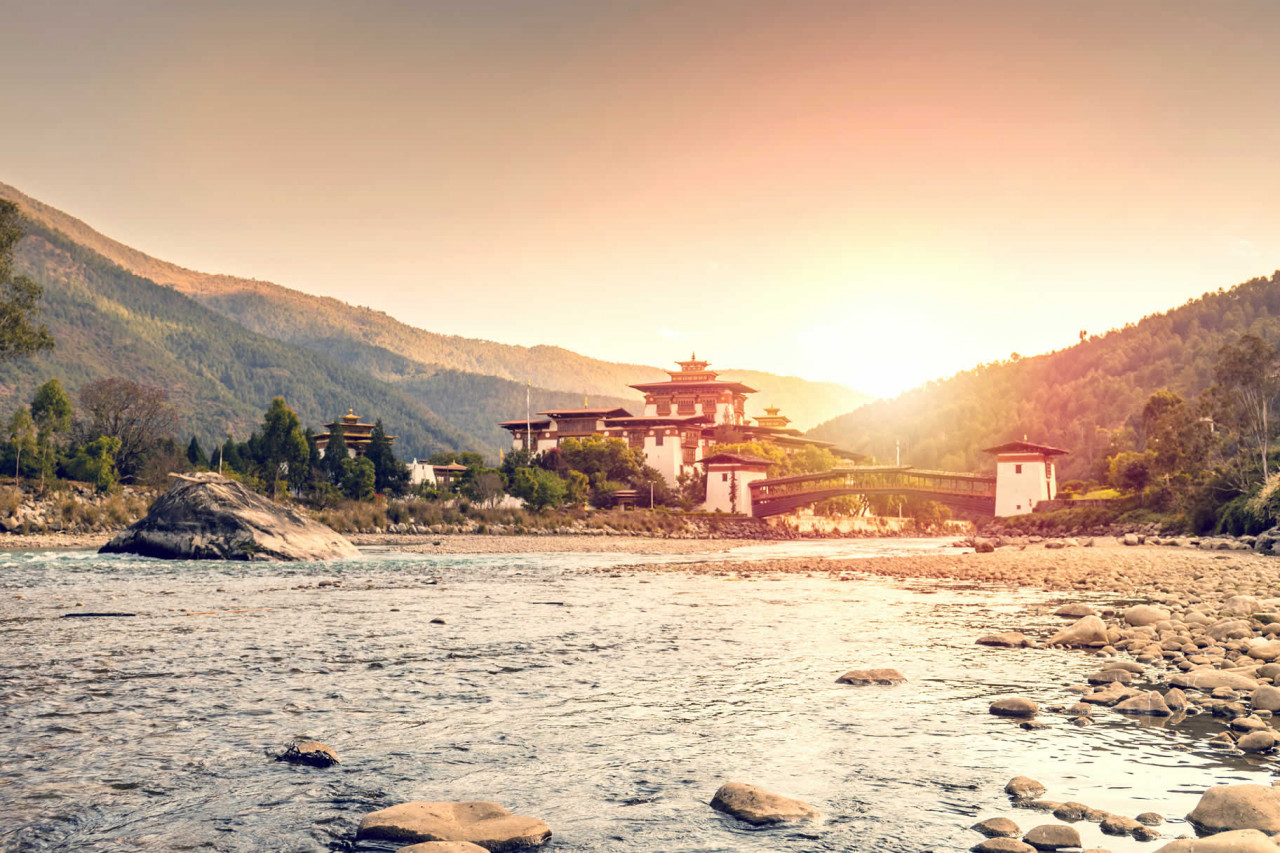
For the people of Bhutan, this is not just another day off. The day holds special spiritual significance, as water on this day is considered purifying. People believe that bathing helps wash away accumulated negativity and start a new period with a clear mind. The holiday is also called Trhuebab or Thruebab. The name comes from Dzongkha, one of Bhutan’s main languages, and is associated with the idea of blessed water descending or falling to the earth.
How the Holiday Came to Be
Blessed Rain Day has ancient cultural and religious roots. Its traditions took shape long before the holiday became an official day off in modern Bhutan. In traditional belief, water possesses a special purifying power. That is why natural springs, rivers, streams, and waterfalls take on special significance on this day. The holiday combines Buddhist concepts of purification with older local traditions. These are linked to a special reverence for nature and a belief in the spiritual significance of water.
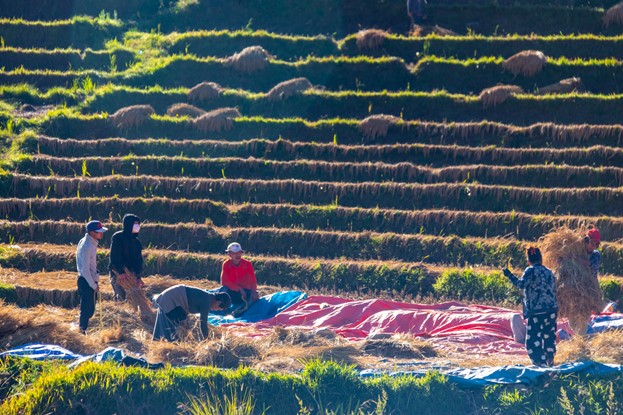
In modern Bhutan, this day was designated a national holiday in 1980. In 2007, it was removed from the list of official holidays as part of an effort to reduce the number of holidays, but it was reinstated the very next year. Therefore, today Thrue Bab remains a full-fledged national holiday. Its traditions continue to be passed down from older generations to younger ones.
Why is water considered special on this day?
The main feature of the holiday lies in the belief that natural water on September 23 has special purifying properties. This refers not only to rain but also to water in rivers, streams, springs, and other natural bodies of water. In Bhutan, it is believed that bathing in such water helps to purify oneself of bad deeds, negative karma, and various spiritual obstacles. This tradition is officially recognized by the Bhutan Ministry of Education and Skills Development, which congratulates people on Thrue Bab.

That is why, in the morning, people head to natural bodies of water. For many, this is a family tradition in which both adults and children participate. At the same time, the meaning of bathing is not limited to mere hygiene. It is seen as a symbolic purification before a new stage in life. Even rainwater falling on a person can be seen as a blessing. Therefore, it is not at all necessary to find a specific body of water for this festive tradition—what matters is feeling a connection with nature and participating in the purification ritual.
How the Celebration Takes Place
The most famous tradition of the Blessed Day of Rain is bathing outdoors. People head to rivers, streams, waterfalls, or other natural water sources. In some places, families know in advance the traditional spots for such bathing. Relatives, friends, and neighbors gather there. Special attention is paid to the timing of the bath. The most auspicious hour is traditionally determined by astrologers who work for the Je Khenpo—the head abbot of Bhutan. They use the traditional Bhutanese lunar calendar for this, though the exact method of calculation is kept secret.

Not everyone can make it to the body of water at exactly that time. Therefore, those who are unable to perform the ritual at the designated hour may take a morning bath or wash their face with water. For the elderly and those who have difficulty reaching the river, observing the tradition at home is perfectly acceptable. The symbolic purification remains the most important aspect. After bathing, families gather around the festive table. One of the traditional dishes on this day is thup—a porridge or thick dish eaten for breakfast.
A Holiday for the Whole Family
The Blessed Day of Rain has not only a spiritual aspect but also a very simple family one. It’s a day off when people can spend more time together. Children especially love this tradition. For them, swimming in the river or playing in the rain can be just a fun adventure, while adults attach spiritual significance to the ritual. After the morning swim, families prepare a meal and spend time together. In some regions, the holiday is accompanied by music, dancing, and other entertainment.
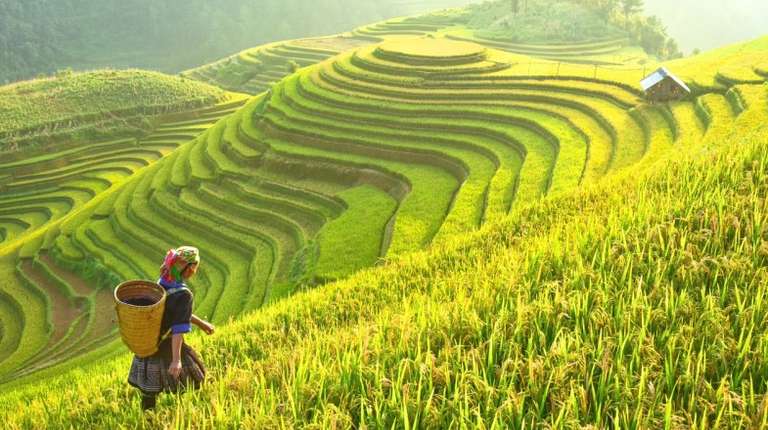
Traditionally, people visit one another and share food. It’s also an opportunity to meet with relatives and neighbors with whom they don’t always have time for long conversations in everyday life. In rural areas, the celebration can be particularly communal. After the rituals, people gather together, socialize, and spend time outdoors. In this way, the holiday combines spiritual purification, family relaxation, and simple human interaction.
What People Eat on This Day
Like many other holidays in Bhutan, Thrue Bab wouldn’t be complete without food. After the morning rituals, families gather around the table. One of the traditional dishes is thup, which is prepared for the festive breakfast. It is a thick porridge or hearty dish that is perfect for a cool September morning. The festive menu may vary from family to family. The table may feature traditional Bhutanese dishes made with rice, vegetables, meat, and plenty of chili peppers.

Spicy cuisine is a hallmark of Bhutan in general. One of the country’s most famous dishes is ema datshi—peppers with cheese—which is considered a culinary signature of the country. During the holidays, families may prepare more food than on a typical day. The food is shared with guests and neighbors, as sharing a meal is an important part of the festive atmosphere. Therefore, after the morning ritual of purification with water, the day continues at the table—with family, friends, and traditional dishes.
Traditions and Entertainment
Celebrations may vary by region in Bhutan. In some places, the focus is on bathing and family meals, while in others, traditional entertainment is added. This may include music, dancing, and folk games. At public celebrations, people gather in large groups. Archery is particularly popular in Bhutan and is considered the national sport. As a result, archery competitions are often held during various national and local holidays.

For locals, this is more than just a sporting event. Archery competitions often turn into full-fledged social gatherings with spectators, singing, and a festive atmosphere. Reconciliation is also considered an important part of the day. Since the holiday symbolizes purification from negativity, it is seen as a good time to leave old conflicts in the past. Therefore, people may use this day to meet with others, reconcile with loved ones, and restore good relationships.
What Does the Holiday Mean for Bhutan?
Bhutan is often described as a country where traditions play a very important role in everyday life. The Blessed Day of Rain clearly illustrates this blend of nature, religion, and ordinary family life. Here, rain is not viewed merely as a natural phenomenon. Water becomes a symbol of new beginnings and purification. For people, it’s an opportunity to leave behind what they consider negative. After bathing, one can literally start a new phase with a sense of renewal.
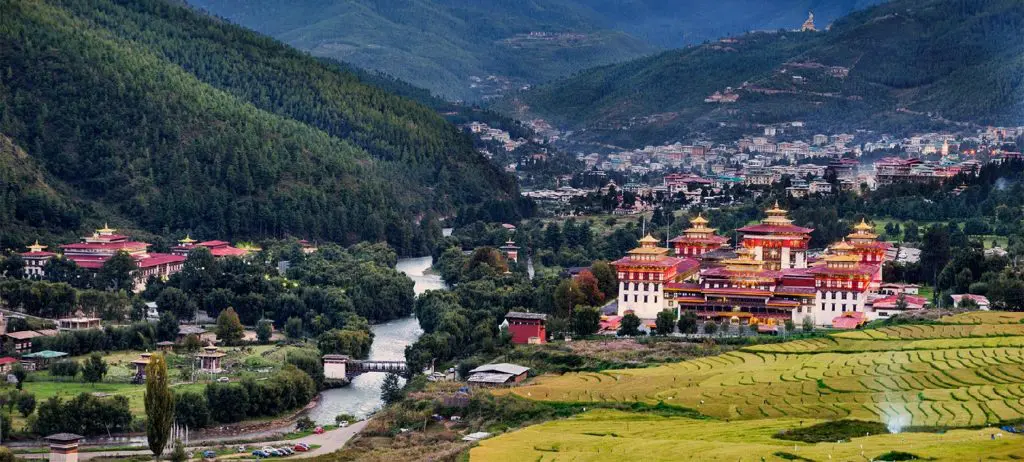
It’s also interesting that the tradition doesn’t require any elaborate ceremonies. All a person needs to do is go outside and immerse themselves in natural water. That is why the holiday remains accessible even to children. They may see it as a fun day by the river, while adults view it as an ancient spiritual ritual. This is what makes Thrue Bab so special—an ancient tradition that continues to be a part of modern life in Bhutan.
Interesting Facts About the Blessed Rain Day
In 2026, the holiday falls on September 23. The autumn equinox also occurs on this day.
It is an official holiday in Bhutan. Schools, government offices, and many businesses are closed on this day.
The holiday has several name variations. The most common are Thrue Bab, Thruebab, or Trhuebab.
In 1980, it was officially declared a national holiday. Due to a reduction in the number of holidays, it was removed from the calendar in 2007 but reinstated in 2008.
The most important tradition is bathing in natural water. People believe that on this day, the water cleanses them of negative karma and spiritual obstacles.
Astrologers determine the time for the ritual bathing. They use the traditional calendar to calculate the most auspicious moment.
On September 23, 2026, another major event takes place simultaneously in Bhutan—the Thimphu Tshechu. The festival in the capital runs from September 21 to 23, so on this day, the city hosts two important events at once.
Why This Holiday Is Interesting Not Only to Bhutan
The Blessed Day of Rain is interesting because it lacks the division between religion, nature, and everyday life that many people are accustomed to. Rain and water become part of a great tradition in which entire families participate. To modern people, the very idea of deliberately going out into the rain or walking to a river to “wash away” negativity may seem unusual. But for Bhutanese people, it is a way to maintain a connection with the culture and traditions of their ancestors.
The festival also shows just how differently various peoples can perceive ordinary natural phenomena. Where for some, rain is simply a change in the weather, for others it can be a symbol of purification and a new beginning. At the same time, Thrue Bab remains a very vibrant festival. People not only perform the traditional ritual but also gather with family, eat together, play, sing, and spend time in nature.
That is precisely why the Blessed Day of Rain has survived to this day and remains an official holiday in Bhutan. On September 23, 2026, the country will once again celebrate this day, combining the ancient tradition of purification by water with modern family and community celebrations.


