
Holiday on August 28, 2026 — Bow Tie Day in the U.S.: The History of an Unusual Accessory
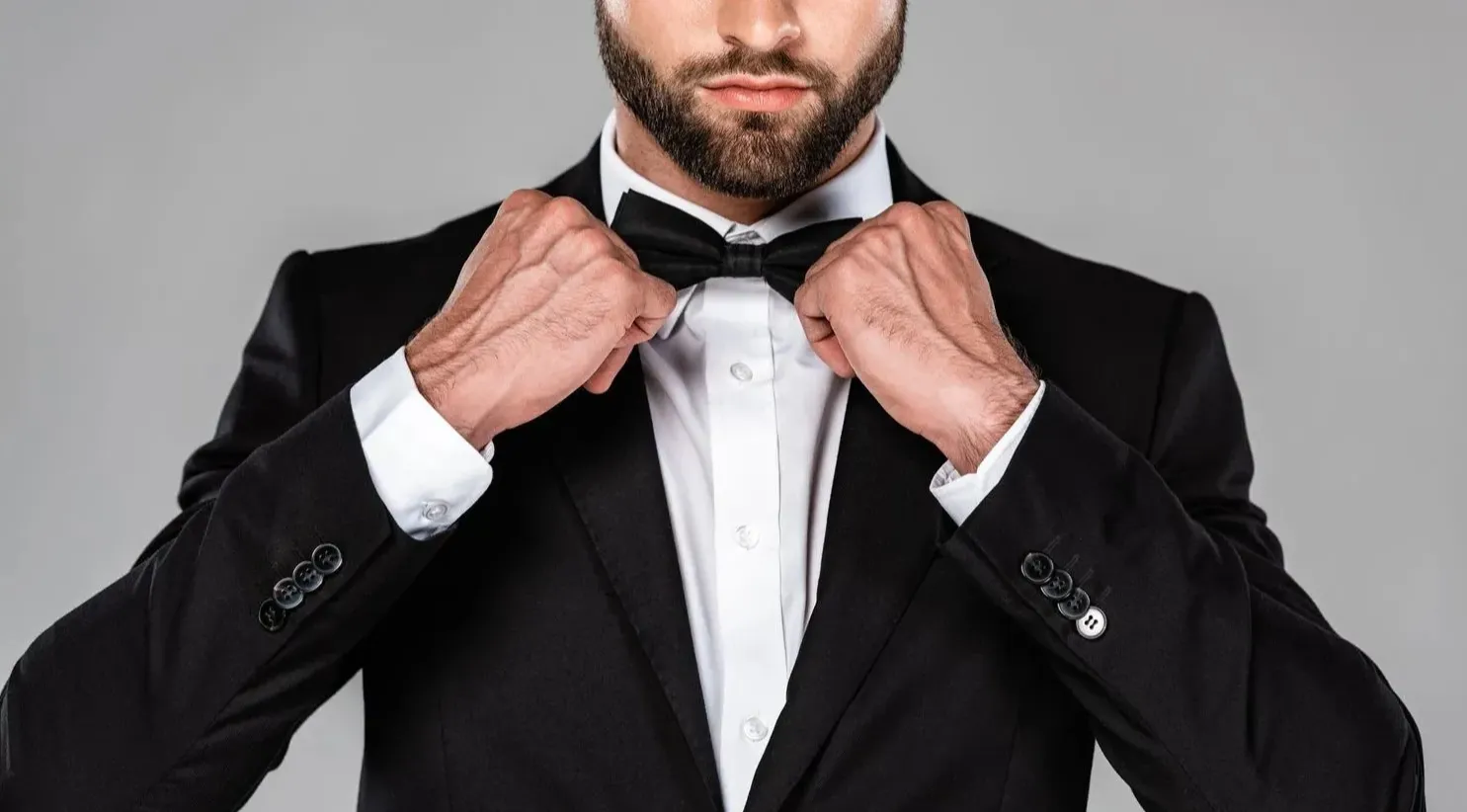
August 28 is National Bow Tie Day in the U.S.—an informal celebration of one of the most recognizable accessories in men’s and women’s fashion. On this day, people are encouraged to pull a bow tie out of their closet, add it to a festive or even everyday outfit, and have a little fun with their style. The holiday has no official status, and its origins remain unknown, but it has been celebrated since at least 2007.
National Bow Tie Day is dedicated to an accessory that is easily recognizable by its characteristic two-loop shape. A bow tie can be part of a classic suit, evening wear, or simply an unusual detail in a casual outfit. This holiday is not tied to any historical event or national tradition. Rather, it was created as an opportunity to highlight the bow tie and demonstrate that such an accessory does not have to be confined to a strict dress code.

This day is celebrated primarily in the United States. Since the holiday is unofficial, there are no mandatory rules. You can simply wear a bow tie, take a photo of your outfit, throw a themed party, or add the accessory to your everyday clothes. Interestingly, the bow tie has long ceased to be exclusively a men’s fashion item. It is worn by women, men, and children, and designers incorporate bow ties into a wide variety of looks.
When the Holiday Began
It is not known for certain who exactly came up with National Bow Tie Day. According to common belief, it has been celebrated since 2007, but there is no documented history of the holiday’s origins. That is why August 28 should not be considered an official national or international holiday. It is rather a themed day for people who are interested in fashion and love unusual accessories.

The main idea is quite simple: to draw attention to the bow tie and encourage people to give this accessory a try. Even if someone has never worn one before, August 28 can be a good excuse to experiment. You don’t have to wait for a wedding, graduation, or other formal event to do so. A bow tie can look great with a shirt, a vest, a sweater, or even jeans—it all depends on the cut and your overall style.
Where Did the Bow Tie Come From?
The history of this accessory is much older than the holiday itself. Its roots are linked to 17th-century Croatian soldiers and their traditional attire. During the Thirty Years’ War (1618–1648), Croatian soldiers wore fabric scarves tied around their necks. These were not only decorative but also practical: they helped secure the collar and protected the neck.
This garment caught the attention of the French. It eventually became popular in France, and the name “cravate” derives from a French word associated with the Croats. This story is considered one of the origins of the modern necktie.

By the mid-17th century, neck scarves had already become a fashionable item of clothing among the European nobility. In France, they began to be worn not only by the military but also by courtiers. Over time, various ways of tying and styling these neck scarves gave rise to several types of modern men’s and women’s neckwear.
How the bow tie specifically came to be
Here, the history is not so clear-cut. Researchers do not have a single answer as to whether the bow tie emerged first, followed by the traditional long tie, or whether both accessories developed in parallel. It is known that neckerchiefs were tied in the shape of a bow during various periods. Gradually, fashion changed, and the ways of tying them became more diverse. This is how styles resembling the modern bow tie emerged.
Over time, the bow tie came to be associated with formal wear. It was especially popular when paired with evening suits and tuxedos. That is why today the bow tie is often perceived as a symbol of formal style. But modern fashion is much more relaxed. A bow tie no longer necessarily implies a strict dress code. It can be used as a striking accent to an outfit, and black is by no means the only option.
Interesting Facts About the Bow Tie
There are several types of bow ties. Some models require you to tie them yourself, while others come ready-made with a clasp. Classic styles are usually chosen for formal events, but in everyday fashion, you can find bow ties with unusual prints, bright colors, and unconventional materials.
The classic black bow tie remains an essential part of men’s evening wear. It is traditionally worn with a dress shirt and a tuxedo. That is why the phrase “black tie” in English-language dress codes is literally associated with a black bow tie.
At the same time, bow ties have long since transcended the boundaries of men’s fashion. Women incorporate them into suits, blouses, dresses, and other outfits. Designers can create them to be large and eye-catching or, conversely, very small and understated.
Another interesting point is that a bow tie doesn’t necessarily have to be made of fabric. Today, you can find models made of wood, leather, metal, and other materials. This transforms the accessory from a formal detail into a standalone design element.
How to Celebrate This Day
Since National Bow Tie Day has no official traditions, everyone can celebrate it in their own way. The simplest option is to wear a bow tie and incorporate it into your outfit. You can choose a classic black bow tie or, conversely, a bright one with an unusual pattern. For a festive party, you can organize a themed dress code where all guests wear bow ties.
Another option is to try learning how to tie a bow tie yourself. It’s a bit more complicated than simply fastening a ready-made accessory, but this method is considered more traditional.

Also, on August 28, you can simply take a look at the history of fashion and learn more about the origins of the bow tie. After all, this small accessory has a rather long history, dating back to 17th-century European military uniforms.
Why the bow tie remains popular to this day
The bow tie has weathered many fashion trends and still hasn’t disappeared from wardrobes. Its main advantage is its ability to instantly make an outfit more striking. For some, it’s a symbol of classic elegance; for others, it’s a chance to express their personality. That’s why the same accessory can look completely different depending on the outfit, color, and material.

August 28 is a good excuse to remember that fashion doesn’t always have to be serious. Sometimes a small detail is all it takes to make an ordinary look seem completely different. So on National Bow Tie Day, you don’t need to wait for a special occasion. If this accessory has been sitting in your closet for a while—it’s time to take it out, tie it, and try a new look.


