
July 3 Holiday: International Stone-Throwing Day is celebrated around the world
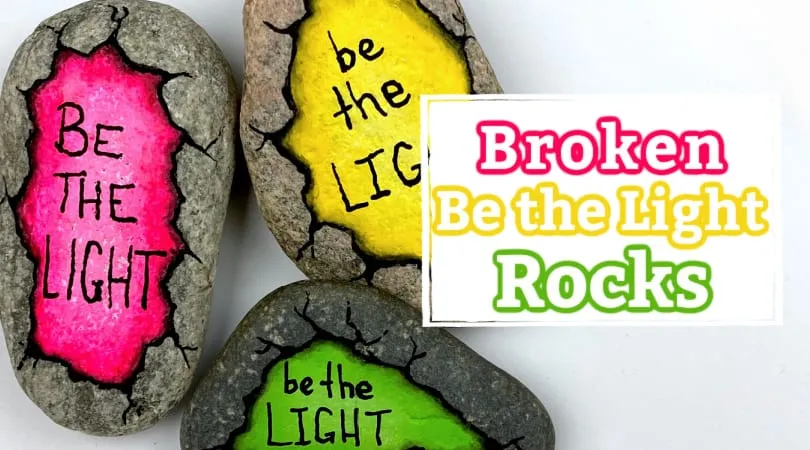
Every year on July 3, the world celebrates International Stone-Throwing Day. Despite its unusual name, this holiday isn’t about throwing rocks at all. Its main idea is to leave painted rocks with kind words or wishes so that people who happen to find them can feel uplifted.
Every year on July 3, countries around the world celebrate International Drop a Rock Day. It’s an unofficial but very heartwarming and positive holiday that has brought thousands of people together in recent years. Participants paint ordinary pebbles, writing kind words, wishes, or short inspirational phrases on them, and then leave them in parks, on streets, near playgrounds, or along hiking trails. Anyone can find one of these stones, take it home, or hide it somewhere else to spread some cheer to the next person who finds it.

The main idea behind this day is simple—even a small act of kindness can make someone’s day better. That’s why the holiday is becoming more and more popular every year, not only among children but also among adults.
How This Holiday Came to Be
International Rock-Throwing Day was launched in 2015 as part of the American initiative The Word Rocks Project. Its founders wanted to find a simple way to remind people of kindness, support, and mutual respect. Later, another well-known charitable movement—The Kindness Rock Project—joined the initiative. Together, they began organizing annual campaigns during which people leave small stones with motivational messages in public places.

Each year, the organizers choose a specific theme or keyword. Over the years, these have included “Together,” “Be a Light,” “You Matter,” “Harmony,” and other phrases that remind people of support, humanity, and mutual aid. “A small pebble can bring a big smile to someone’s face”—that’s how the project participants describe their idea.
Why stones, exactly?
Although this modern flash mob may seem new, the tradition of leaving messages on stones has a very long history. People began using stones as a way to convey information thousands of years ago.
The first rock paintings appeared over 30,000 years ago. Ancient people depicted hunting scenes, animals, and important events in their lives. Later, the Egyptians, Greeks, Romans, and many other peoples used stones for inscriptions, symbols, and even historical records. The organizers of this modern holiday decided to give this ancient tradition a new twist—not to convey history, but to spread positive emotions.
How International Stone-Throwing Day Is Celebrated
On this day, people all over the world head out into nature or to city parks with paints, brushes, and ordinary smooth stones. They paint flowers, hearts, cheerful animals, and the sun on them, or simply write a few warm words. The most common messages are:
- “You’ve got this”;
- “Smile”;
- “Everything will be okay”;
- “You matter”;
- “Don’t give up.”
Afterward, the stones are left in places where other people can find them. This could be a park, a public square, a forest trail, a plaza, or even a bench near your home.For many, this turns into a real treasure hunt. People go for walks around the city or in nature specifically to look for the painted stones. You can keep a stone you find as a good-luck charm or move it to another spot so it can bring joy to someone else.
On social media, the tradition has long since become a flash mob
Every year on July 3, thousands of photos of painted stones appear on Facebook, Instagram, and other social media platforms. Participants showcase their creations, share stories about unexpected finds, and use the hashtag #DropARockDay.

Sometimes people even find rocks that have traveled tens or hundreds of kilometers. Such stories often go viral and prove once again that even a small gesture can bring complete strangers together.
Interesting Facts About the Holiday
Despite its simplicity, International Drop a Rock Day has quite a few interesting features. First, it’s one of the few international holidays that doesn’t require a lot of money. All you need to participate is an ordinary pebble and some paint or a marker. Second, the movement has long since spread beyond the United States. People in Canada, the United Kingdom, Australia, New Zealand, Germany, and many other countries are joining in.

Third, many schools and preschools hold creative workshops on this day. Children not only draw but also learn to support others with simple words. Another interesting fact: some participants write the name of the city or the date it was created on the back of the stone. This makes it possible to track how far this small symbol of kindness can “travel.”
How to Get Involved
Joining in the celebration is very simple. Just find a smooth pebble, decorate it with a drawing or write a few kind words on it, and leave it in a busy place. You can do this with friends or family, organize a small creative gathering, or even hold a family workshop for children.
You can also support the campaign on social media by sharing a photo of your stone or an interesting find. “Kindness costs nothing, but it can change someone’s day”—this idea best captures the spirit of International Stone-Throwing Day. Today, this holiday reminds us of a simple truth: you don’t need a lot of money or grand gestures to put a smile on someone’s face. Sometimes all it takes is a small pebble with a kind word, which a stranger happens to find. It is from such small gestures that great kindness is born.


