
August 4, 2026 — Champagne’s Birthday: History and Interesting Facts
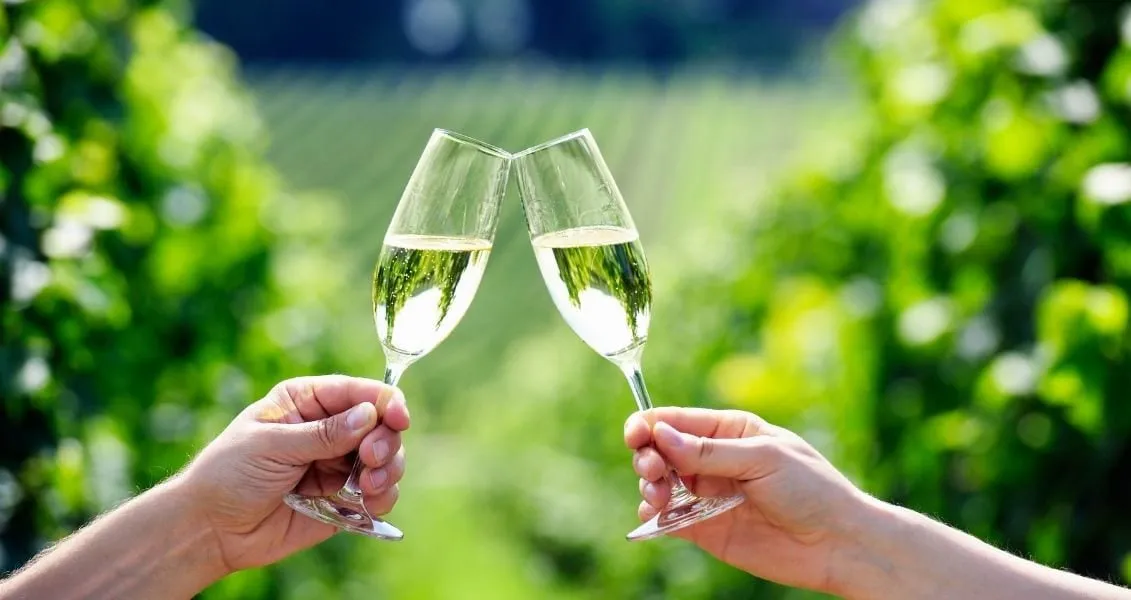
On August 4, people around the world unofficially celebrate Champagne Day—a holiday dedicated to one of the most famous and beloved sparkling wines. According to legend, it was on this very day in the 17th century that a drink with its characteristic bubbles was first introduced, a drink that would later become a symbol of celebrations, victories, weddings, New Year’s, and other important events.
Champagne has long been more than just wine. It is associated with celebration, prosperity, romance, and life’s special moments. Champagne Day is a wonderful opportunity to reflect on the history of this legendary drink, learn interesting facts about its origins, and understand why true champagne can only be produced in one region of France.
The History of Champagne Day
The history of champagne is inextricably linked to the French monk Pierre Pérignon, who served at the Abbey of Hautvillers in the Champagne region. He was in charge of the monastery’s wine supplies and experimented extensively with winemaking.
According to legend, on August 4, 1668, Pierre Perignon invited his fellow abbots to taste a new drink—a wine that bubbled with bubbles and had a light, silvery foam. This day is considered the symbolic birthdate of champagne.
There is a famous quote attributed to Perignon: “I am drinking the stars.” Although historians doubt that he actually uttered these words, the phrase perfectly captures the impression of a first encounter with sparkling wine.
In fact, the creation of champagne was the result of lengthy experiments with the secondary fermentation of wine in the bottle. It was thanks to these technological advancements that the drink acquired the characteristics we know today.
Why Is Champagne Called Champagne?
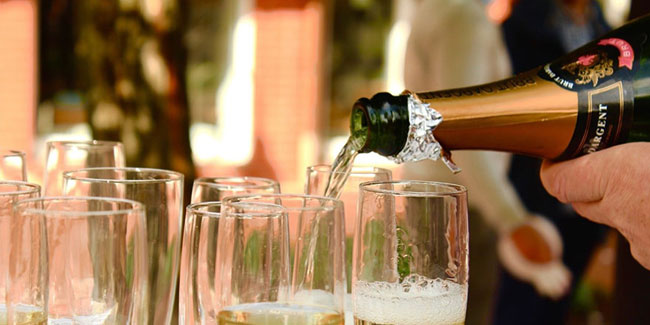
Only sparkling wine produced in the Champagne region of France using a special technique—known as the traditional method or méthode champenoise—can be called true champagne.
Three grape varieties are primarily used in production:
- Chardonnay;
- Pinot Noir;
- Pinot Meunier.
After the first fermentation, the wine is bottled, yeast and sugar are added, and a second fermentation takes place, during which natural carbon dioxide is produced. It is this gas that creates the famous bubbles.
Many countries produce excellent sparkling wines, but under international rules, the name “Champagne” is protected and may only be used for products from the Champagne region.
Interesting Facts About Champagne
Champagne has many interesting characteristics that make it one of the most unique beverages in the world.
- A standard bottle of champagne contains approximately 49 million bubbles.
- The pressure inside the bottle can reach 6 atmospheres, which is almost three times higher than the pressure in a car tire.
- The cork can shoot out of the bottle at speeds of up to 50 km/h, so you need to open champagne carefully.
- The ideal serving temperature is 6–9°C.
- Narrow flute glasses retain bubbles longer, while wide glasses better bring out the drink’s aroma.
How Champagne Day Is Celebrated
The holiday has no official status, but it is celebrated by winemakers, sommeliers, restaurants, wine bars, and all sparkling wine enthusiasts.
In France during this time, there are tastings, wine cellar tours, festivals, and gastronomic evenings. Many restaurants create special menus pairing champagne with seafood, cheeses, desserts, or fruit.
In various countries, sparkling wine lovers simply get together with friends or family, open a bottle of champagne, and enjoy the festive atmosphere.
An interesting tradition of opening champagne
One of the most spectacular traditions is sabrage, or opening a bottle with a saber. This method originated in France during the time of Napoleon. The blade of the saber is slid along the neck of the bottle, and under the pressure inside, the top of the bottle, along with the cork, flies off.
Today, sabrage is used primarily during formal events, weddings, anniversaries, or professional wine ceremonies.
Why Champagne Became a Symbol of Celebrations
Thanks to its rarity, the complexity of its production, and its refined taste, champagne has been the drink of the European aristocracy since the 18th century. It was served at royal receptions, diplomatic meetings, and grand celebrations.
Over time, the tradition of opening champagne to celebrate important events spread throughout the world. Today, it’s hard to imagine New Year’s Eve, weddings, the birth of a child, sports victories, or formal ceremonies without it.
Champagne’s Birthday—A Celebration of Bubbles and Good Cheer
August 4 is a wonderful opportunity to reflect on the history of this famous drink, which for over three centuries has remained a symbol of joy, success, and festive moments. Whether you choose classic French champagne or your favorite sparkling wine, the main thing is to enjoy the moment and spend this day in good spirits.
So Champagne Day can certainly be considered a celebration of bubbles, lightheartedness, and pleasant gatherings that make life a little brighter.


