
Disputed approach to UN carbon credit rules to be discussed in Bonn
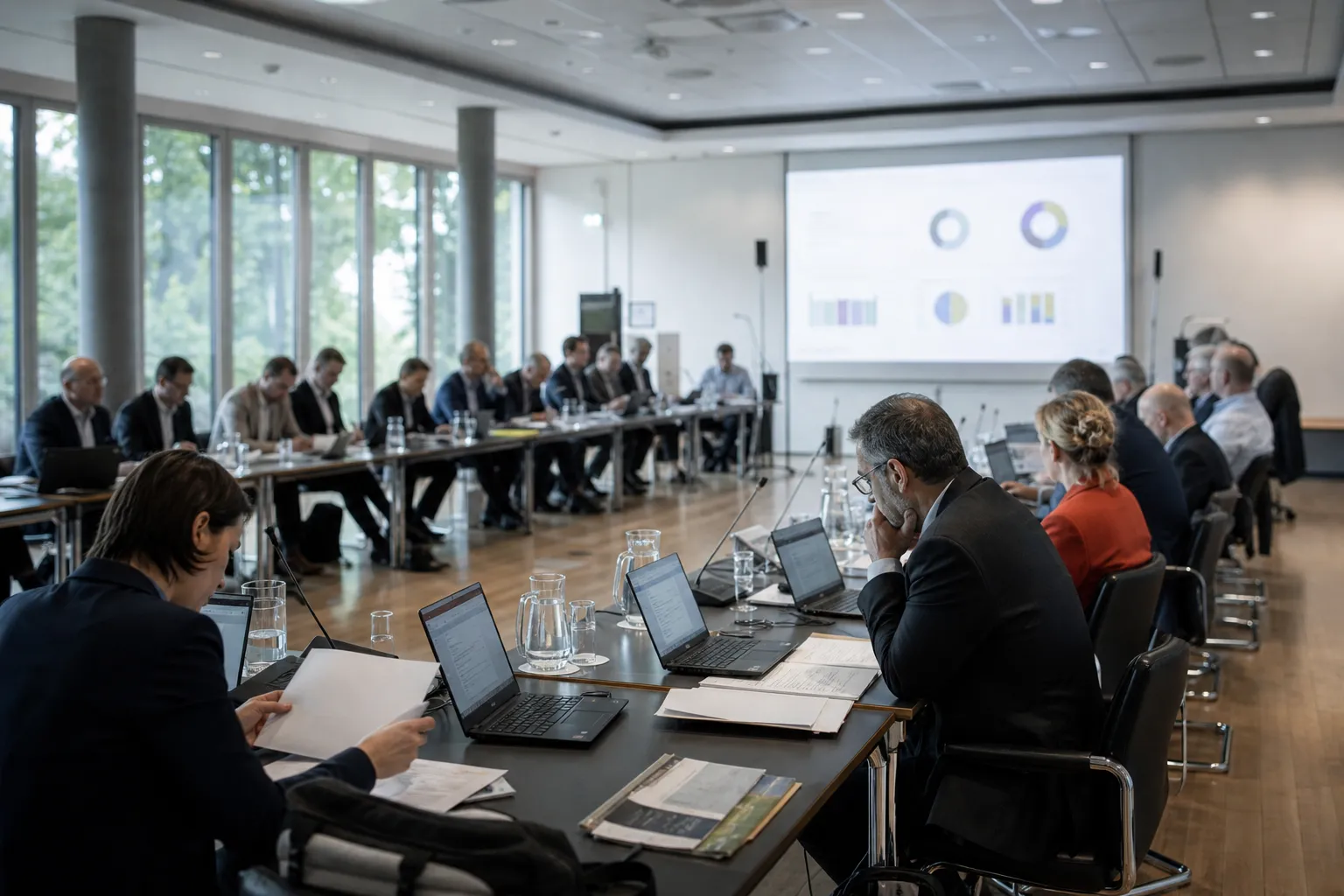
In Bonn, Germany, a UN technical group is due to discuss this week a proposed approach to assessing the risk of carbon loss in projects that generate carbon credits. Credit developers, corporate buyers and some environmental organizations have objected to stricter requirements for credit buffers in case of fires, droughts or deforestation, Climate Home News reports.
Buffers against carbon-loss risk
The UN Article 6.4 mechanism provides for credits that countries and companies can use to meet climate targets. If the carbon storage on which a credit’s claimed climate benefit is based is released back into the atmosphere, that benefit is negated. To insure against this risk, projects generally set aside part of their credits in a buffer pool rather than selling them.
In July, the UN technical group proposed determining the size of these buffers using local risk indicators derived from a new scientific study. Supporters of the initiative consider this approach stricter than voluntary carbon market practice, where assessments are often based on expert assumptions and sometimes on data provided by project developers themselves.
The technical group is expected to submit recommendations to the mechanism’s Supervisory Body for a decision at a meeting in early October. The rules are initially planned to apply to clean cookstove projects, but could later be extended to other types of activities, including forest protection programs.
More current news is available on the UA.News Telegram channel Telegram.
Similar submissions and scientific debate
Climate Home News analyzed more than 30 public submissions to the Article 6.4 mechanism and found substantial overlap in wording and, in some cases, copied excerpts or entire texts. In particular, the submission by Apple, a major buyer of nature-based carbon credits, was a lightly edited version of an appeal by the Beyond Alliance coalition. According to the outlet, the name Beyond Alliance remained in one paragraph of Apple’s document.
Beyond Alliance said that after consultations with participants, it circulated the final text of its submission, while each member independently decided whether to use these materials. The coalition rejected claims that its position amounted to a call to weaken the risk assessment tool.
In mid-July, representatives of the UN Environment Programme, Conservation International and The Nature Conservancy held an online briefing for officials from Canada, the United Kingdom, Germany, Costa Rica, Belgium, Nigeria and Peru. According to the outlet, participants criticized the scientific basis of the new approach and said that risk-management requirements for clean cookstove projects could increase costs and jeopardize their financial viability.
Gabriel Labbate, head of climate change mitigation at the UN Environment Programme, rejected suggestions that the agency’s position aligned with the financial interests of market participants. He said the organization provides technical recommendations from a politically neutral and science-based position. At the same time, scientist William Anderegg, one of the authors of the study on which the proposed tool is based, called it significantly better than the assumptions used in the voluntary market.




