
Ghana says school vacancies do not match families’ needs
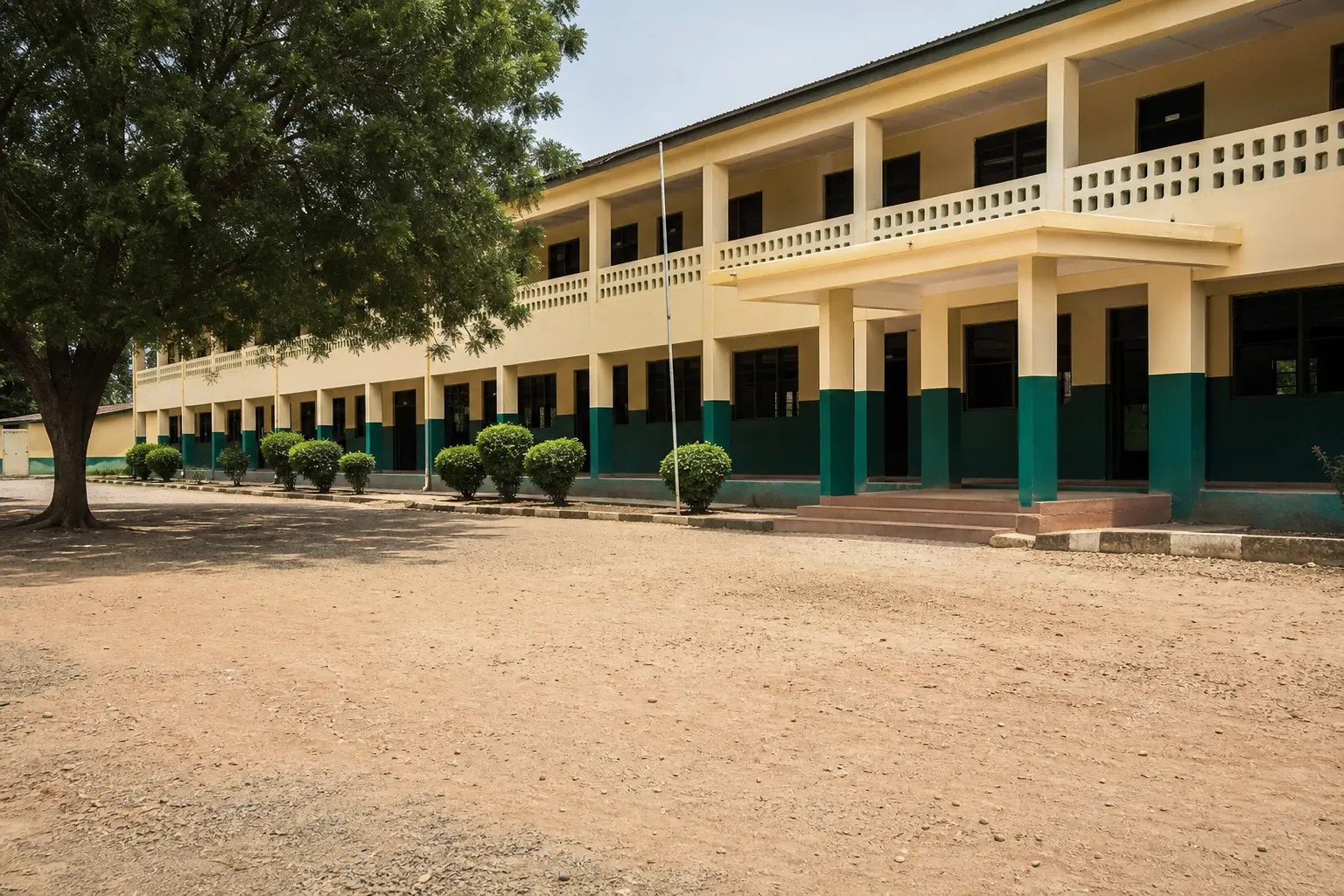
In Ghana, problems with placing students in senior high schools cannot be solved merely by increasing the number of announced vacancies. This view was expressed by Kofi Asare, executive director of Africa Education Watch (Eduwatch).
As MyJoyOnline reports, he noted that data from the Ghana Education Service (GES) on available vacancies do not necessarily reflect the actual needs of families looking for a school for their children.
Actual and effective capacity
Speaking on Newsnight on Joy FM, Asare distinguished between the actual and effective capacity of the senior high school system. Actual capacity includes places that institutions declare for day students and those who will live in boarding facilities.
He described effective capacity as the number of places that genuinely meet families’ needs and choices. According to him, the availability of vacant places alone does not mean they meet the demand of Ghanaian families.
More current news is available on the UA.News Telegram channel Telegram.
Demand for boarding
Asare stressed that many parents in Ghana prefer their children to study while living at school. Therefore, a significant number of day-school places does not necessarily mean the system has sufficient capacity from families’ perspective.
According to GES data, senior high schools have about 800,000 vacancies, while there are approximately 600,000 candidates for placement. This indicates that there is a sufficient overall number of places for students who meet the admission requirements.
At the same time, Asare said that demand for boarding places remains an issue not only for category A schools, where competition is substantial. Many category B schools also have a limited number of boarding places, so students may be placed in day school even though they applied to live at school. He called on education authorities to take into account the type and location of available places when assessing the system’s capacity to admit students.


