
Nepal adopts resolution on cooperation in nature conservation in Asia
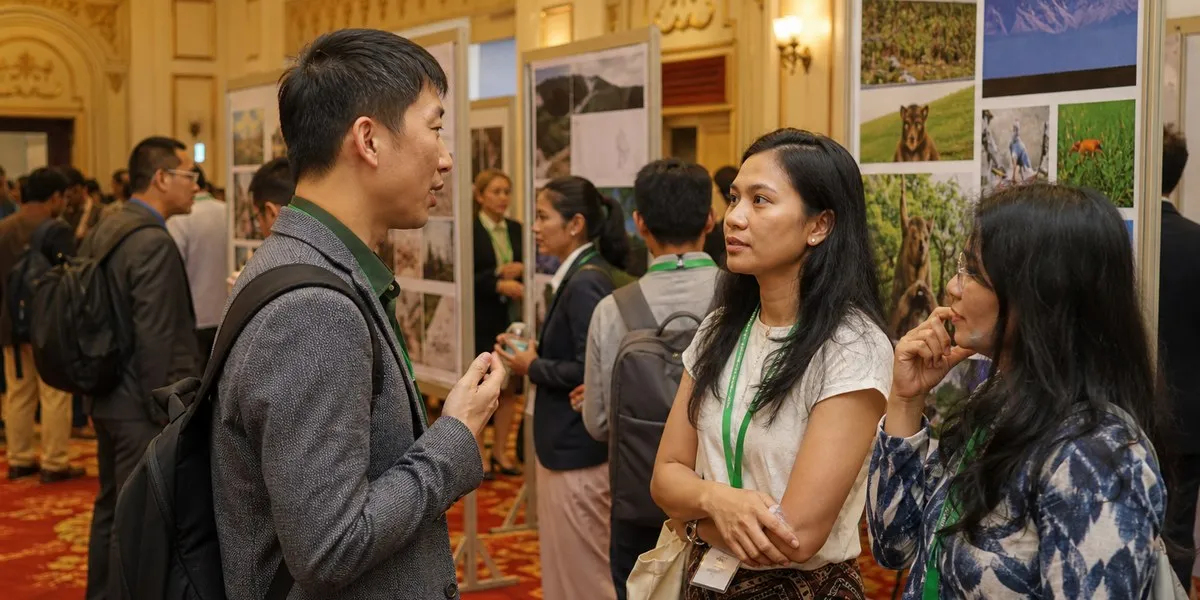
In Kathmandu, Nepal, participants in the 6th Asian Congress for Conservation Biology adopted the Kathmandu Resolution 2026. It calls for stronger regional cooperation, leadership development and support for local and Indigenous communities in conserving biodiversity. This was stated in a commentary published by Mongabay.
The congress took place in early June under the theme “Harmonizing Biodiversity and Human Well-being in Asia.” It was organized by the Asian regional section of the Society for Conservation Biology together with the organization’s Nepal chapter and the Burhan Community Regeneration and Conservation Foundation.
Participants and program
Nearly 500 conservationists from 42 countries took part in the event. According to data cited in the commentary, 390 participants represented countries of the Global South, 357 were early-career professionals, and 151 were students. Another 38 people identified themselves as representatives of Indigenous or local communities, while 43% identified as women or members of gender minorities.
The program included 11 plenary speeches, 300 oral presentations across 24 sessions and 19 symposia, 59 poster presentations, as well as five afternoon and seven full-day workshops. Participants discussed the conservation of the Asiatic cheetah, Arabian and snow leopards, elephants, primates, birds, amphibians and reptiles, as well as human-wildlife interactions, the role of communities and conservation policy.
More current news is available on the UA.News Telegram channel Telegram.
Content of the resolution
The Kathmandu Resolution calls for building the capacity of Asia’s conservation sector through peaceful regional interaction, the exchange of knowledge and experience, resource mobilization, and strengthening national chapters of the Society for Conservation Biology. The document also addresses the need to counter economic systems that view nature solely as capital for exploitation.
The resolution stresses the need to create conditions for leadership by students, women, gender minorities, Indigenous peoples and local communities. It calls for abandoning top-down conservation approaches in favor of models that recognize community rights, their independent decision-making, and the connection between nature conservation and public well-being.
The organizers provided nearly 160 participants with travel cost reimbursements, registration fee waivers or discounts. At the same time, some students said that the $229 fee for representatives of low- and middle-income countries who are members of the Society for Conservation Biology was too high.


