
Nepal publishes collection on 1923 treaty with Britain — Kathmandu Post
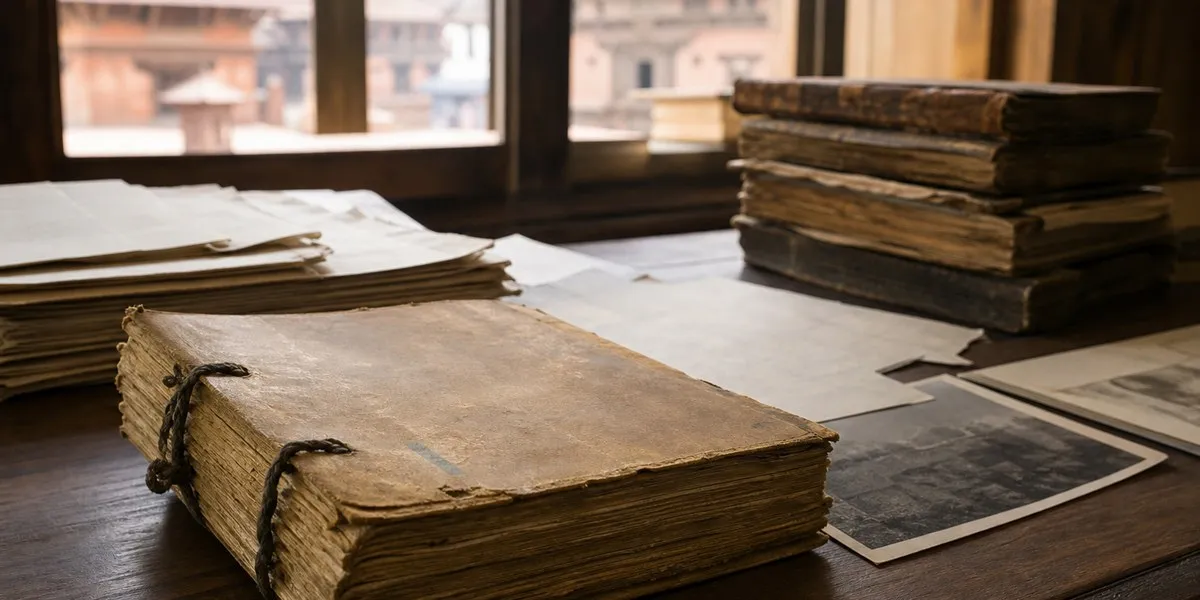
Nepal has published the book State and Craft: Readings on the 1923 Nepal-Britain Friendship Treaty, dedicated to the friendship treaty between Nepal and Great Britain concluded in 1923. Edited by Tika Prasad Dhakal, the collection brings together essays on the document, the diplomacy surrounding it, and its place in Nepal’s modern history.
In an interview with the Kathmandu Post, Dhakal said he began researching the agreement because of insufficient attention to it in Nepalese historical works and discussions of treaties. He had been working on the subject since 2019, and a conference marking the treaty’s centenary in 2023 provided the impetus for preparing the publication. It was organized by Madan Puraskar Pustakalaya and the Britain-Nepal Academy Council.
Recognition of independence
According to Dhakal, the most significant provision is the treaty’s first article, which explicitly recognized Nepal’s internal and external independence. He emphasized that Great Britain was the dominant force in the international system after World War I, making such recognition particularly important for Nepal.
More current news is available on the UA.News Telegram channel Telegram.
The editor also noted that the title “friendship treaty” not only described bilateral relations but also helped shape the perception of them as relations between equal parties. After the Treaty of Sugauli, the Nepalese side considered relations with Britain unequal, while British policy toward Nepal’s independence, he said, remained ambiguous.
Diplomatic experience
Dhakal described diplomacy as the art of conducting state affairs, dependent not only on formal decisions but also on officials’ ability to communicate, negotiate, and overcome obstacles. As an example, he cited Chandra Shumsher, who proposed the treaty to the Prince of Wales, the future King Edward VIII. According to Dhakal, Lord Reading, the Viceroy of India, also played an important role in the negotiations.
In the book editor’s view, it is important for Nepal, as a “non-dominant” state, to preserve room for maneuver and maintain friendly ties. He believes that issues of border management, trade, transit, and water resources in relations with neighbors require constant diplomatic engagement and mutual trust.


