
In Nigeria, CPPE urged against restoring universal petrol subsidies
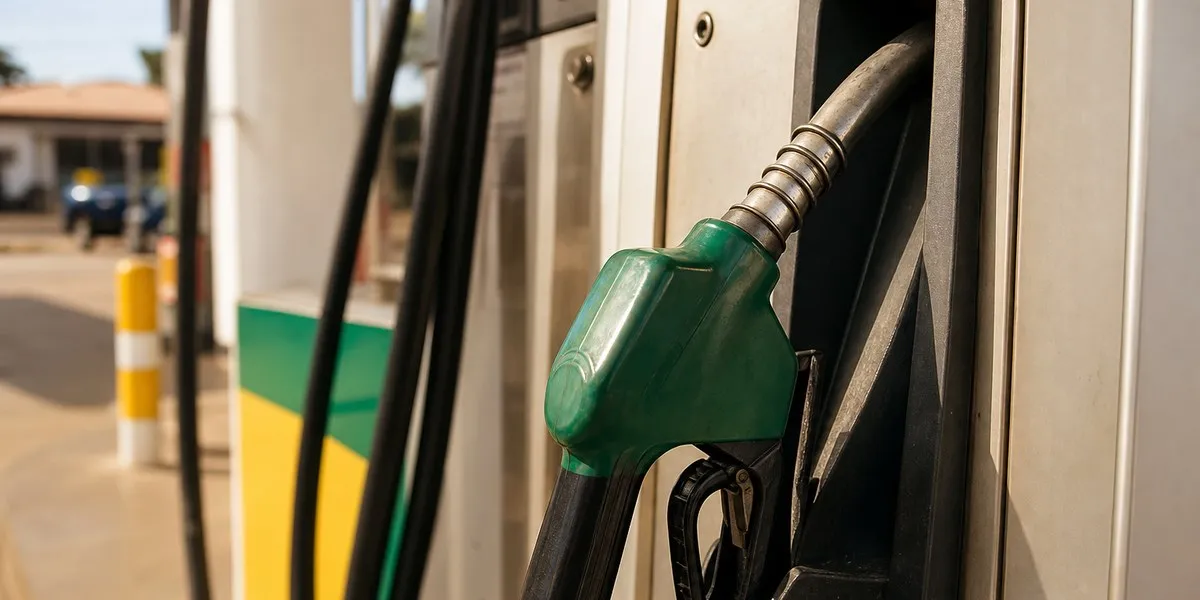
Nigeria’s Centre for the Promotion of Private Enterprise (CPPE) urged the authorities not to restore universal petrol subsidies, calling such a mechanism financially unsustainable. Instead, the organization proposed targeted support for vulnerable households and cost-reduction measures for businesses, Premium Times Nigeria reports.
A policy document signed by CPPE Chief Executive Officer Muda Yusuf states that the latest increase in petrol prices has raised transport, logistics and production costs. According to the organization, this has weakened the population’s purchasing power and worsened competitive conditions for businesses, primarily micro, small and medium-sized enterprises.
Risks of restoring subsidies
CPPE stressed that the subsidy debate concerns not only the retail price of fuel, but also fiscal sustainability, foreign-exchange market stability, investment, domestic oil refining, employment and energy security. It noted that before the reform, Nigeria spent an estimated $10 billion to $15 billion annually on imports of petroleum products.
According to the think tank, artificially low petrol prices encouraged arbitrage and cross-border fuel smuggling, meaning public funds effectively subsidized consumption outside the country. CPPE also believes that the transition to market-based pricing increased the commercial attractiveness of domestic oil refining for investors.
More current news is available on the UA.News Telegram channel Telegram.
CPPE estimated the possible annual burden of restoring a universal subsidy at approximately 19.16 trillion naira, or about 20 trillion naira. The organization linked the calculation to a benchmark consumption level of 50 million liters of petrol per day and a hypothetical subsidy requirement of 1,050 naira per liter. CPPE clarified that the actual amount would depend on consumption volumes, oil prices, the exchange rate, refining or supply costs, and the regulated price at filling stations.
Targeted support
Instead of a universal subsidy, CPPE recommended expanding affordable public transport, freight rail transportation and logistics infrastructure. Other proposals include improving electricity supply, developing solutions based on compressed natural gas, solar and distributed energy, and supporting agricultural production through security, irrigation and rural infrastructure development.
The organization called for reducing energy, logistics and financial costs for manufacturing enterprises, especially micro, small and medium-sized businesses, as well as ensuring transparency in the use of additional budget revenues. Petrol subsidies in Nigeria were abolished in May 2023 following President Bola Tinubu’s statement during his inauguration.


