
Migrants in South Africa report increased pressure after March and March ultimatum
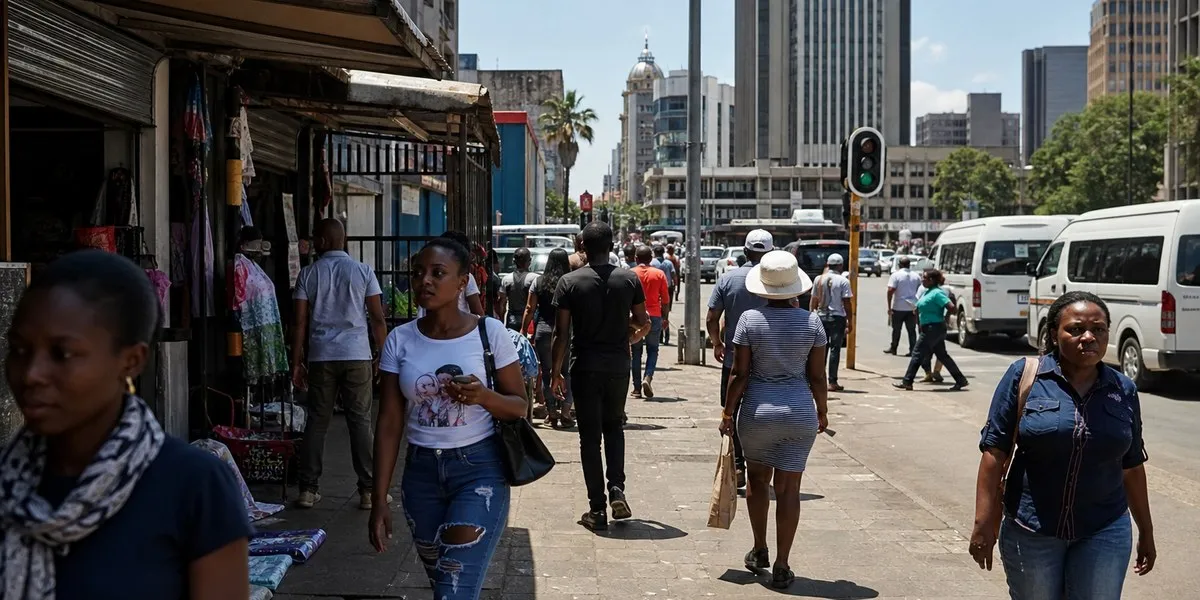
In South Africa, after the March and March movement announced a June 30 deadline for undocumented migrants to leave, tens of thousands of foreigners left the country. At the same time, those who remained report fear, loss of income and more difficult access to services. As Daily Maverick reports, 129,000 people voluntarily returned to Zimbabwe in early September, while more than 56,000 migrants had returned to Malawi by early August.
South African police also reported to parliament on the arrest, detention and, in some cases, deportation of thousands of foreigners. The publication interviewed 13 activists and community representatives, almost all of whom reported a growing sense of danger among documented and undocumented migrants.
Document checks and access to services
Claude Kayitare, a representative of the Southern Africa Network for Immigrants and Refugees, said that in the Marshalltown area of Johannesburg, migrants continue to be stopped in the streets and asked for documents by people linked to the anti-immigrant movement. According to him, there have also been cases of money being extorted.
In Durban, Refugee Social Services representative Gabi Bikombo said that documented migrants who were pushed out of informal trading sites cannot return to work. He also said that foreigners are being denied access to public healthcare facilities. Representatives of the Nigerian community in Tshwane and the Voice of Africans for Change organization in Bellville reported that some people are avoiding unnecessary attention, while others have lost their jobs or businesses.
More current news is available on the UA.News Telegram channel Telegram.
Accounts, shops and detentions
Isayaga Mombilo of the Congolese Civil Society of South Africa said that some asylum seekers who tried to withdraw their protection applications in order to voluntarily return home had their bank accounts blocked. According to him, banks told those affected that they needed permission from South Africa's Department of Home Affairs to restore access. The department confirmed that it had received journalists' inquiry but did not provide a response before publication.
On August 17, the High Court in Pietermaritzburg ordered Alfred Duma Municipality mayor Zama Sibisi to remove locks from migrant-owned shops that had been closed during an operation to enforce local rules in June. A representative of Congolese, Ethiopian and Burundian shopkeepers said that after the court ruling, the shops operated for only two days.
The Western Cape Anti-Xenophobia Coalition also said that after June 30, more than a hundred migrants were detained during raids in the Winelands area and held in overcrowded conditions. South African police rejected allegations of indiscriminate arrests and unlawful treatment of detainees.




