
Peru restores state oversight of Chancay Port
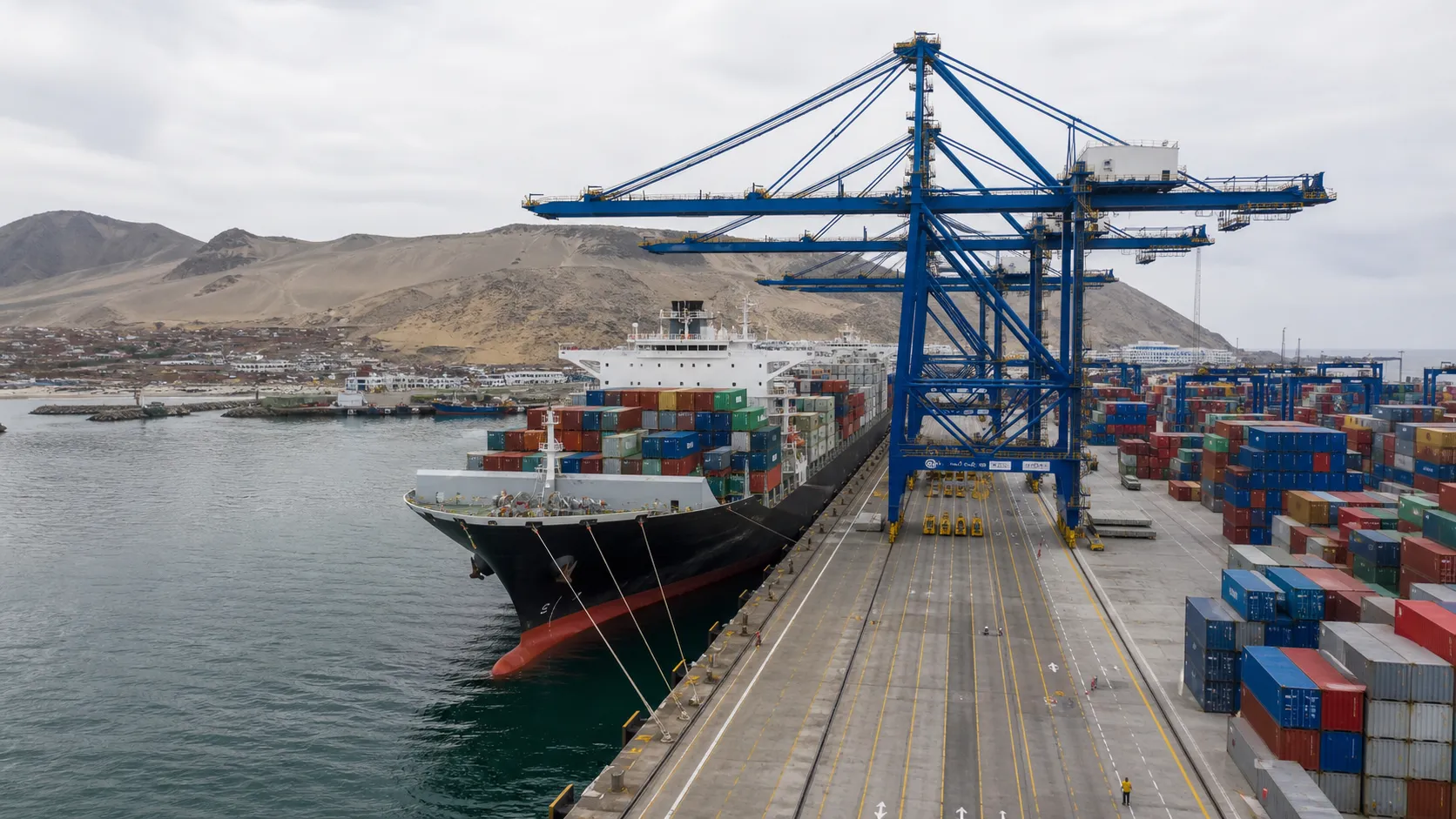
In Peru, the Second Constitutional Chamber of the Lima Superior Court on July 1, 2026, restored the powers of transport regulator Ositrán to oversee the operations of Chancay Port and impose sanctions on its operator. China’s COSCO challenged the ruling in Peru’s Constitutional Court, which accepted the appeal for consideration on July 24. Until a final decision is made, Ositrán remains the port’s regulator, The Rio Times reports.
Chinese logistics hub
Chancay Port is located about 80 km north of Lima, on Peru’s Pacific coast. It is being developed and operated by Cosco Shipping Ports Chancay Perú S.A., a joint venture in which China’s state-owned COSCO Shipping Ports controls 60%, while 40% belongs to the Peruvian mining company Volcan Compañía Minera.
Total investment in the project is estimated at $3.5–3.6 billion, of which the first phase cost about $1.3 billion. It was completed at the end of 2024, and commercial operations began in June 2025 after approval by the Peruvian government. The project provides for 15 berths and a large industrial and logistics complex.
In the first half of 2026, the port handled about 200,000 TEU, 71% more than in the same period a year earlier. A total of 987,000 tonnes of bulk and general cargo also passed through Chancay. According to the publication, the port became Peru’s second-largest by container throughput and handled about 10% of the country’s container traffic.
More current news is available on the UA.News Telegram channel Telegram.
Legal dispute and routes to Asia
In February 2026, a constitutional court in Lima ruled that Ositrán must refrain from overseeing Chancay’s operations and imposing sanctions. However, the Second Constitutional Chamber overturned that decision. COSCO argued that the port had been fully financed with private capital.
The U.S. State Department stated that China’s control over Chancay threatens Peru’s sovereignty and also criticized legal decisions that limited local oversight of the facility. The port is intended to transship exports from Chile, Ecuador, Colombia and Brazil to Shanghai and other Asian destinations.
According to The Rio Times, direct sea links between Peru and China reduced transit time to about 23 days and logistics costs by approximately 20%. Traditional routes through Mexican or U.S. ports or the Panama Canal took from 35 to 45 days. By mid-2026, Chancay served three trans-Pacific mainline routes and five regional feeder services.


