
Nighttime Chuseok road accidents in South Korea are the deadliest — Korea Herald
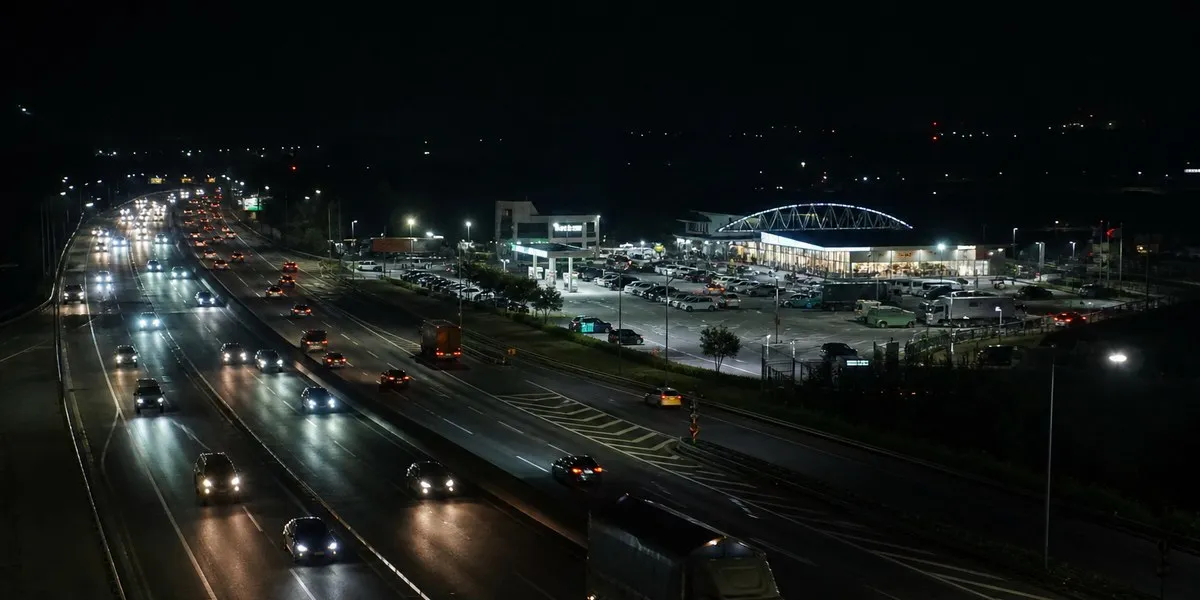
In South Korea, road accidents during the traditional Chuseok holiday recorded the highest number of fatalities per 100 crashes between midnight and 6 a.m. During this period, there were 4.4 deaths per 100 accidents — about four times more than during the busiest afternoon hours, Korea Herald reports.
Five-year accident statistics
According to the Korea Road Traffic Authority, 11,510 traffic accidents occurred during the Chuseok holidays in 2021–2025. A total of 181 people were killed and another 18,903 were injured.
Between midnight and 6 a.m., the fewest accidents were recorded — 1,125, or 9.8% of the total. At the same time, 50 people were killed in these crashes, amounting to 4.4 deaths per 100 accidents — the highest figure among all time periods.
More current news is available on the UA.News Telegram channel Telegram.
Between noon and 6 p.m., when traffic is usually the heaviest, 4,607 accidents occurred — about 40% of the total. They killed 51 people, with a rate of 1.1 deaths per 100 accidents. The second-highest number of deaths per 100 accidents was recorded between 6 a.m. and noon — 1.5.
Call to rest while traveling
Rep. Hwang Hee of the ruling Democratic Party of Korea linked the higher nighttime risk to drowsy driving and speeding. He urged drivers to get enough rest and exercise caution behind the wheel, while calling on authorities to encourage the use of highway rest areas and display more messages reminding motorists to rest and slow down.
During this year’s Chuseok period, which will last from Thursday to Saturday, an average of 6.05 million vehicles per day are forecast to use South Korea’s expressways. Departures from Seoul are expected to peak on Thursday morning, while the heaviest congestion toward the capital is anticipated on Friday afternoon. Over the five years studied, the largest number of accidents occurred on the first day of the holiday: an average of 552, compared with 398 per day during the rest of the period.


