
Ghana Day festival held in South Korea
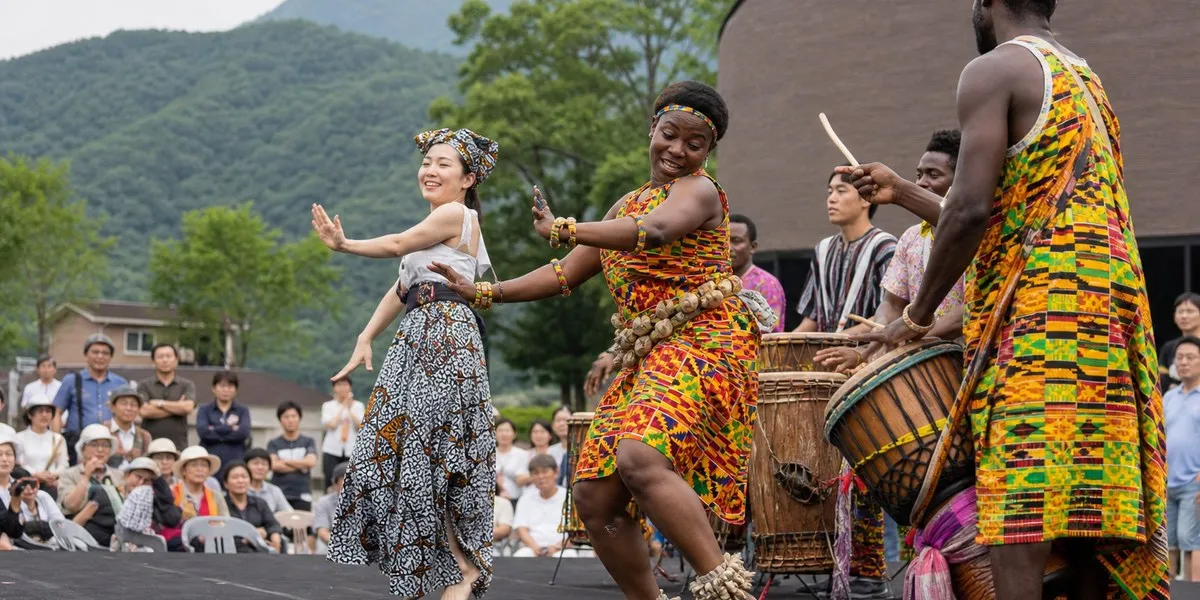
The Ghana Day 2026 festival, dedicated to Ghanaian music, dance, fashion, cuisine and art, was held on September 12 in Yeongwol County, Gangwon Province, South Korea. The event took place near the Yeongwol African Art Museum, close to Gosi Cave, The Korea Herald reports.
The festival was jointly organized by the museum and the Embassy of Ghana in South Korea, with support from Yeongwol authorities and the Korea-Africa Foundation. Local residents, representatives of African communities, diplomats and guests from Seoul took part in the program. Korean and Ghanaian participants performed traditional Ghanaian music together; Korean words and melodies were also added to the songs.
The ambassador returns to his home region
For Ghana’s ambassador to South Korea, Choi Go-jo, the trip to Yeongwol had personal significance. He grew up in Mitan-myeon in neighboring Pyeongchang County, about a 25-minute drive from Yeongwol. According to the ambassador, as a child he came to Yeongwol with his mother to visit the market and spent time in the surrounding mountains and by streams.
More current news is available on the UA.News Telegram channel Telegram.
Later, Choi went to Ghana to join his parents, where he lived for 35 years, and subsequently returned to South Korea as that country’s ambassador. He expressed hope that ties between Korea and Africa would develop not only in Seoul but also in other regions of the country. In 2027, Ghana and South Korea will mark the 50th anniversary of diplomatic relations; Choi will also turn 50 that year.
Cultural contacts beyond Seoul
Cho Myeong-hyeon, director of the Yeongwol African Art Museum, said he had spent 17 years developing the museum. According to him, the institution has already held nine events involving African countries and seeks to expand Korean-African cultural programs in Yeongwol.
Festival participants also discussed the possibility of attracting visitors to rural areas of South Korea through cultural and educational projects. Ghanaian Opoku Isaac, who has lived in the country for eight years, expressed hope that such events would help Koreans become more familiar with African cultures and would not remain a one-time event.


