
Five probable local cases of West Nile virus detected in northern Belgium for the first time
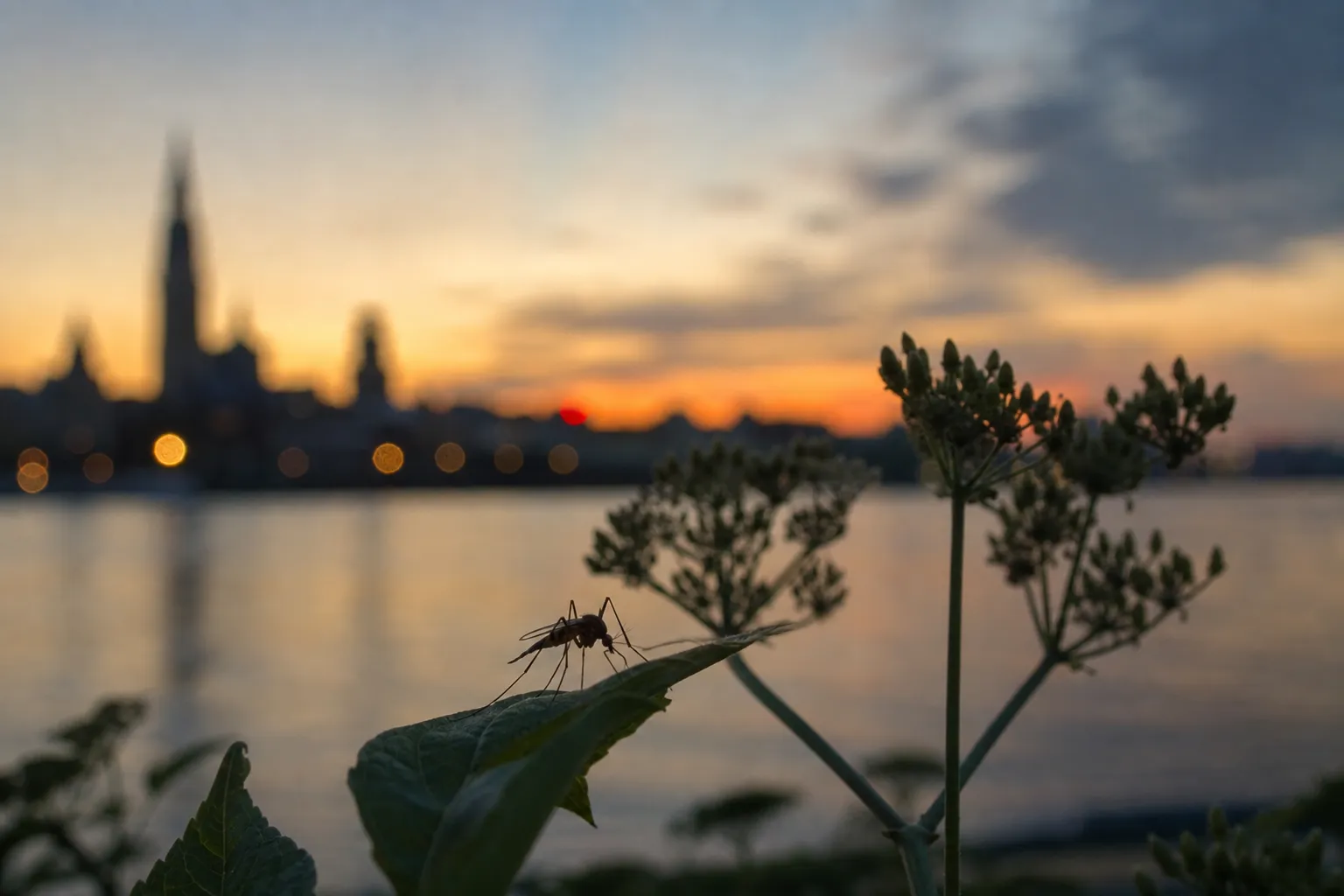
Five probable cases of locally acquired West Nile virus infection have been detected in northern Belgium for the first time. One person has been hospitalized, Anadolu Agency reports, citing Belgium’s public health authority.
Cases in Antwerp and Flemish Brabant
The probable cases were detected in the provinces of Antwerp and Flemish Brabant in the Flanders region. West Nile virus had previously also been recorded in birds and horses in these areas. Confirmatory laboratory tests are still ongoing.
Four of the five people had neurological symptoms. The public health authority said that the risk of infection and illness currently remains low. It also noted that the emergence of probable local infections was not unexpected after the virus was detected in birds and horses, indicating its circulation among birds and mosquitoes in the region.
More current news is available on the UA.News Telegram channel Telegram.
Risk will decline as temperatures fall
West Nile virus is mainly transmitted through mosquito bites. About 80% of infected people have no symptoms, while in others the disease usually presents with fever, headache, muscle pain or fatigue. About 1% of infected people develop a severe form of the disease; older people and those with weakened immune systems face a higher risk.
Agency spokesperson Annelin De Sadeler said that additional cases are expected before the mosquito season ends in October. According to her, the risk will decline as daylight hours shorten and temperatures decrease. The number of detected infections may also be linked to increased testing, greater awareness among doctors and broader circulation of the virus in Europe.
Doctors, hospitals and other healthcare workers have been informed about the epidemiological situation and the symptoms of the disease. Care and supported living facilities in Antwerp and Flemish Brabant received information about the virus and measures to protect residents from mosquito bites. Mosquitoes capable of transmitting the virus are most active at dusk and at night. The virus is not transmitted directly between people or from horses to people.


