
In North Macedonia, there is talk of risks to interethnic balance
Twenty-five years after the Ohrid Framework Agreement, which ended the 2001 armed conflict in North Macedonia, representatives of the Albanian community and analysts warn that interethnic tensions persist. Macedonians and Albanians now live without hostilities, but according to Deutsche Welle’s sources, full reconciliation between the communities has not yet been achieved.
The six-month conflict began in February 2001. It claimed the lives of 72 soldiers and police officers; the number of ethnic Albanian insurgents killed remains a matter of dispute and is estimated to range from approximately 100 to several hundred. More than 170,000 people were forced to flee their homes, including 74,000 who were displaced within the country.
The Ohrid Agreement, brokered by NATO, the United States, and leading EU countries, established mechanisms for power-sharing and strengthened the participation of national minorities in government. Laws regarding language, education, and national symbols require the support not only of the parliamentary majority but also of minority representatives.
Albanians make up more than a quarter of the country’s 1.8 million population, according to the latest census. Former Foreign Minister and representative of the Democratic Union for Integration, Bujar Osmani, stated that the main issue is not only the implementation of the agreement’s provisions but also the preservation of the system of checks and balances it established. His party, which represents ethnic Albanians, moved into the opposition two years ago after the conservative VMRO-DPMNE returned to power.
For more breaking news, follow the UA.News Telegram channel.
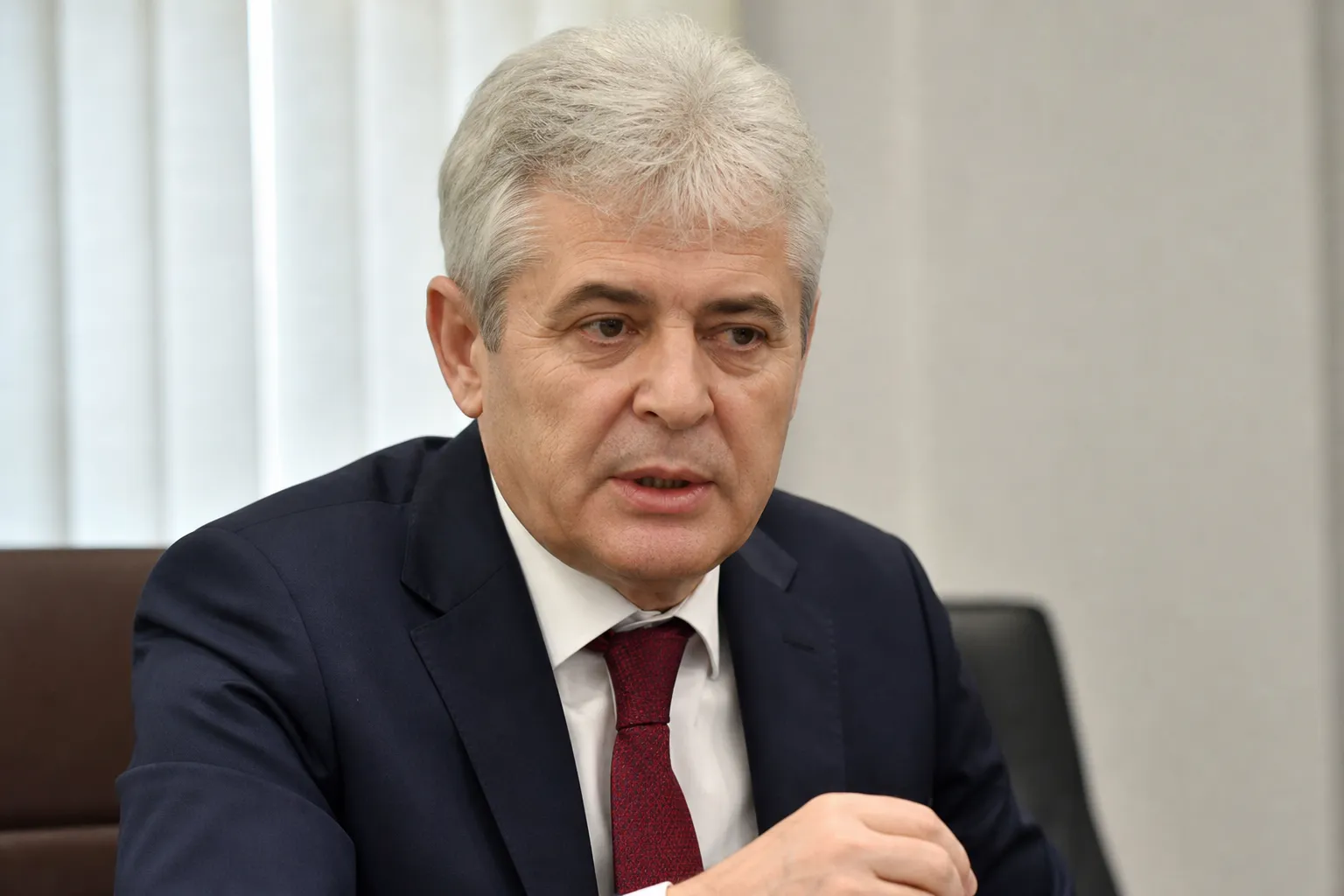
Ali Ahmeti, leader of the Democratic Union for Integration, believes that interethnic relations have deteriorated over the past two years. He cited threats to the official use of the Albanian language, mechanisms to protect against majority domination, and the principle of fair and adequate representation of communities.
At the same time, some ethnic Macedonians criticize the policy of minority representation in the public sector. Police General Stoyanche Angelov, a participant in the 2001 conflict, stated that Albanians are allegedly often given preference in hiring to meet quotas, and that in such cases, ethnicity takes precedence over qualifications.
Harald Schenker, a representative of the German peacebuilding organization Pro Peace, noted that the agreement transformed state institutions but failed to bring the communities closer together. According to him, ethnic divisions are growing, the education system remains segregated, and the Macedonian and Albanian communities understand each other less and less. The prolonged halt in European integration has also heightened uncertainty: North Macedonia has held EU candidate status since 2005, but formal negotiations have yet to begin.




