
Five Sydney controllers faced high fatigue risk during Qantas incident
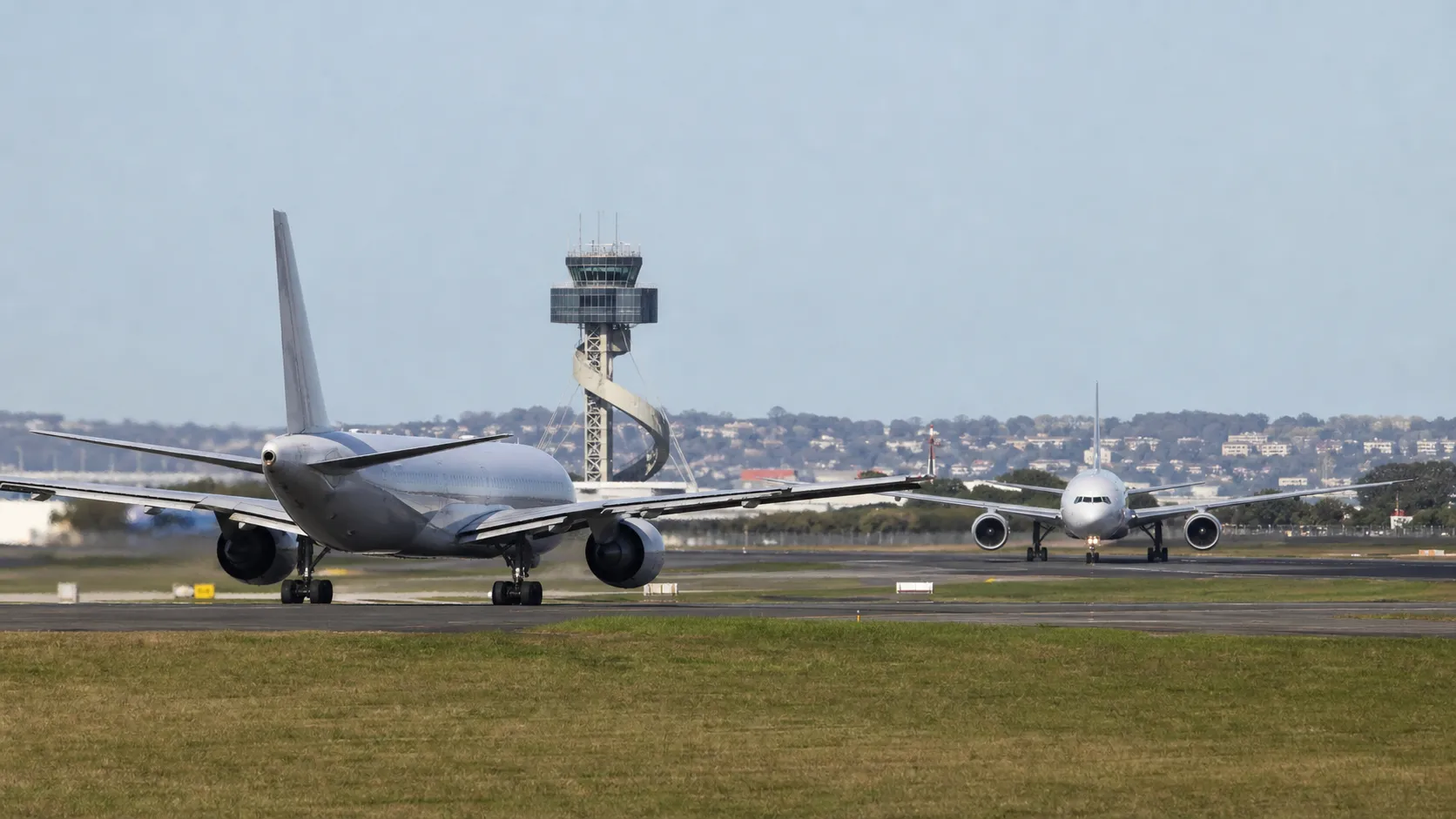
Five of the ten air traffic controllers on duty during the dangerous close encounter between two Qantas aircraft at Sydney Airport on July 27 were assessed as being at high risk of fatigue. This was reported by Cyprus Mail, citing internal records reviewed by Reuters.
During the incident, a landing Qantas turboprop narrowly avoided a collision with a Boeing 737 from the same airline that had been cleared to cross the runway. It was the first of six dangerous close encounters at Sydney Airport over about a month.
Fatigue risk assessments
According to an internal log reviewed by Reuters, five controllers were marked H — high fatigue risk. Another was assigned an M rating, meaning medium risk, and one received an L rating, meaning low risk. Three others were not classified as having a fatigue risk.
After the incident, the shift manager told the director of air traffic management that two of the three controllers directly involved in the situation had a high fatigue risk, while the third had a medium risk. He also said the aircraft did not collide, but the encounter was very close and staff were alarmed.
More current news is available on the UA.News Telegram channel Telegram.
The fatigue management system does not determine whether a controller is actually fatigued. It automatically assesses risk based on factors such as workload and work schedule. Depending on the assessment, additional breaks, restrictions on the volume of traffic handled by a controller, or an early end to a shift may be applied.
Investigation and staffing shortage
State agency Airservices Australia, which employs the country’s air traffic controllers, declined to comment because of the ongoing investigation. The Australian Transport Safety Bureau is examining all six dangerous close encounters to determine whether they had common safety issues or factors that contributed to the incidents.
Civil Air union president Scott Nugent told Reuters that an increasing number of shifts have been assessed as carrying elevated fatigue risk in recent years. According to him, staff shortages lead to overtime, fewer days off and greater pressure on controllers. An Airservices Australia agreement allows controllers to work up to ten shifts in a row, including additional and emergency shifts, and up to 80 hours within a continuous work cycle.


