
Construction of Singapore's fourth egg farm begins — Channel NewsAsia
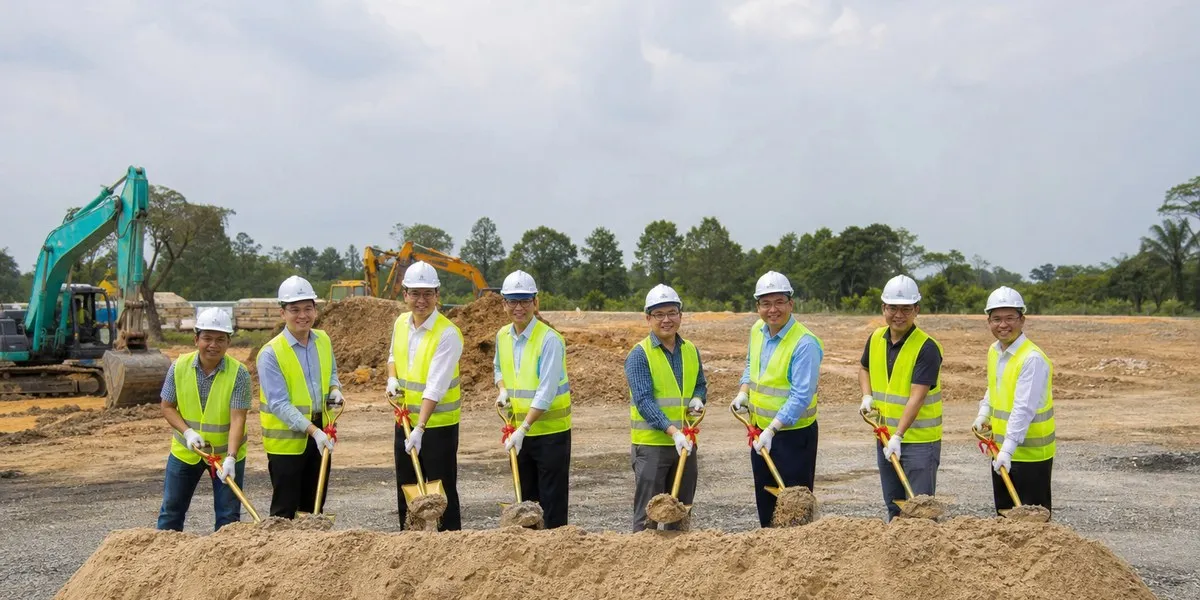
Construction of DoMo Farm, Singapore's fourth commercial egg farm, began on September 29 in the Lim Chu Kang area. After the completion of the first phase, expected in less than two years, the facility will be able to produce about 380 million eggs a year, with the first eggs planned to reach stores in 2028.
The farm will be operated by Singaporean company ISE Foods Holdings. At full capacity, DoMo Farm is expected to produce more than 500 million eggs annually — nearly a quarter of the country's current annual demand. Minister for Sustainability and the Environment Grace Fu said that local producers would then be able to meet about half of Singapore's egg needs.
Capacity and technology
According to Channel NewsAsia, the first phase at the Kranji Way site will include nine poultry houses for laying hens and three for young chickens. They will house about 1.35 million laying hens and 450,000 young chickens.
The farm occupies two plots leased for 30 years: 15 hectares at Kranji Way and 4 hectares at Neo Tiew Crescent. At the second site, the next phase is planned to establish a breeding farm and a hatchery for day-old chicks. This is intended to reduce dependence on imports of chicks that later become laying hens.
More current news is available on the UA.News Telegram channel Telegram.
The Kranji Way site will also include facilities for egg grading and packing, the production of liquid egg products, and manure processing. In the future, the company plans to build a food production facility.
Delays and investment
ISE Foods Holdings entered into an agreement with the Singapore Food Agency to develop the farm as early as 2021. Construction was initially scheduled to begin in 2022, with operations to start in 2024. The project was delayed by the COVID-19 pandemic, supply-chain disruptions, inflationary pressure caused by geopolitical tensions, the energy crisis, and a redesign of the project with biosecurity in mind.
The area of the laying-hen farm was increased from the initially planned 10 to 15 hectares, making it possible to accommodate larger poultry houses and raise the target annual output from 360 million to more than 500 million eggs. Once fully developed, the facility will have 12 poultry houses for laying hens and four for young chickens.
The cost of developing the laying-hen farm is estimated at about S$110 million, or US$86 million. Production is planned to be automated, using artificial intelligence, sensors, optical and thermal monitoring systems, as well as robots for round-the-clock monitoring of bird health. At the same time, about 150 workers will be needed to care for the flock, including for vaccination.




