
US Senate awaits consideration of permanent daylight saving time bill — The Hill
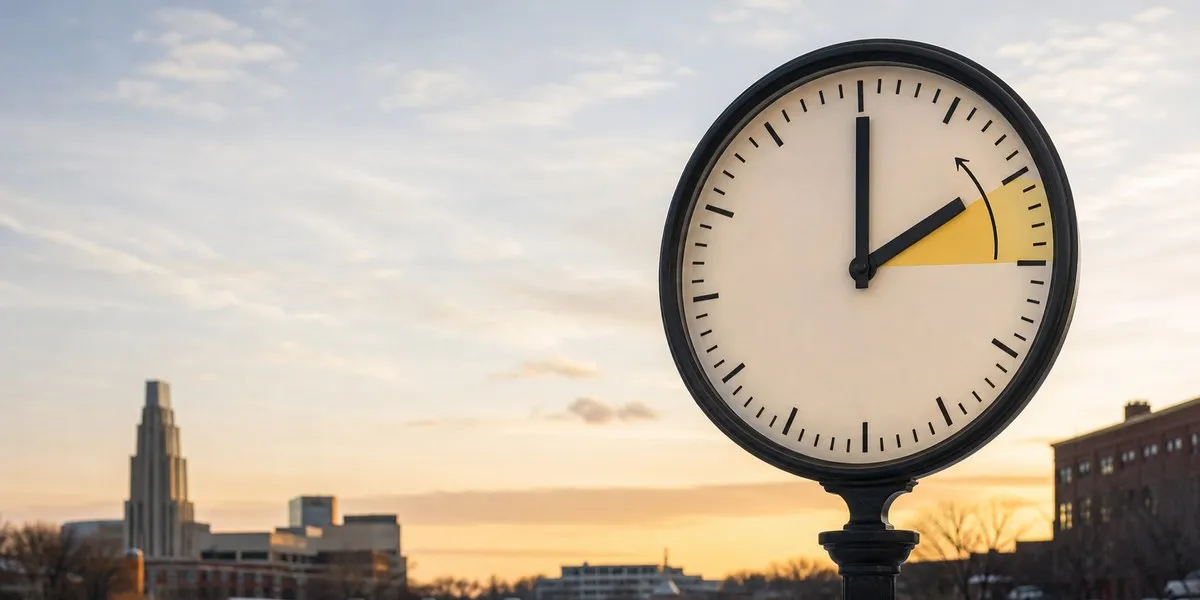
In the United States, the Sunshine Protection Act, which provides for year-round daylight saving time, is awaiting consideration in the Senate. If the document is adopted, states that do not use the exemption will no longer turn clocks back in November. This was reported by The Hill.
Hawaii and most of Arizona already live on permanent standard time, so no changes are envisaged for them. In other states, spring and summer would look the same as they do now, as daylight saving time is in effect there from early March to early November. However, during winter, sunrises and sunsets would shift one hour later.
Later sunsets in winter
Residents of northern states would feel the changes most noticeably. For example, in Cedar Rapids, Iowa, under the current schedule, the sun sets between 4:00 p.m. and 5:00 p.m. more than 70 times between early November and early March. The earliest sunset there occurs at 4:35 p.m. Under permanent daylight saving time, all such sunsets would occur after 5:00 p.m., with the earliest at 5:35 p.m.
In Green Bay, Wisconsin, Burlington, Vermont, and Providence, Rhode Island, the sun can set at around 4:15 p.m. in winter. Under the new system, this would be after 5:00 p.m.
More current news is available on the UA.News Telegram channel Telegram.
Dark mornings for part of the country
At the same time, winter sunrises for a significant part of the United States would occur after 8:00 a.m., and in some areas after 9:00 a.m. In Cedar Rapids, more than 90 winter sunrises would occur later than 8:00 a.m. In Bismarck, North Dakota, about 75 sunrises between November and March would occur after 9:00 a.m., with the latest being nearly 9:30 a.m.
It was precisely late winter sunrises that caused dissatisfaction during the previous period of permanent daylight saving time in the United States: parents sent children to school in the dark, sometimes with flashlights. The country later returned to seasonal clock changes, with four months of standard time per year. Permanent daylight saving time is supported by lawmakers in several states, the golf industry, and the White House, but many health experts believe that if clock changes are abandoned, permanent standard time should be retained.
An attempt to speed up the passage of the Senate version of the bill was blocked. Without prompt decisions, clocks in the United States will be turned back on November 1, the earliest possible date this year.




