
Neighborhood potluck dinners are making a comeback in the US — Al Jazeera English
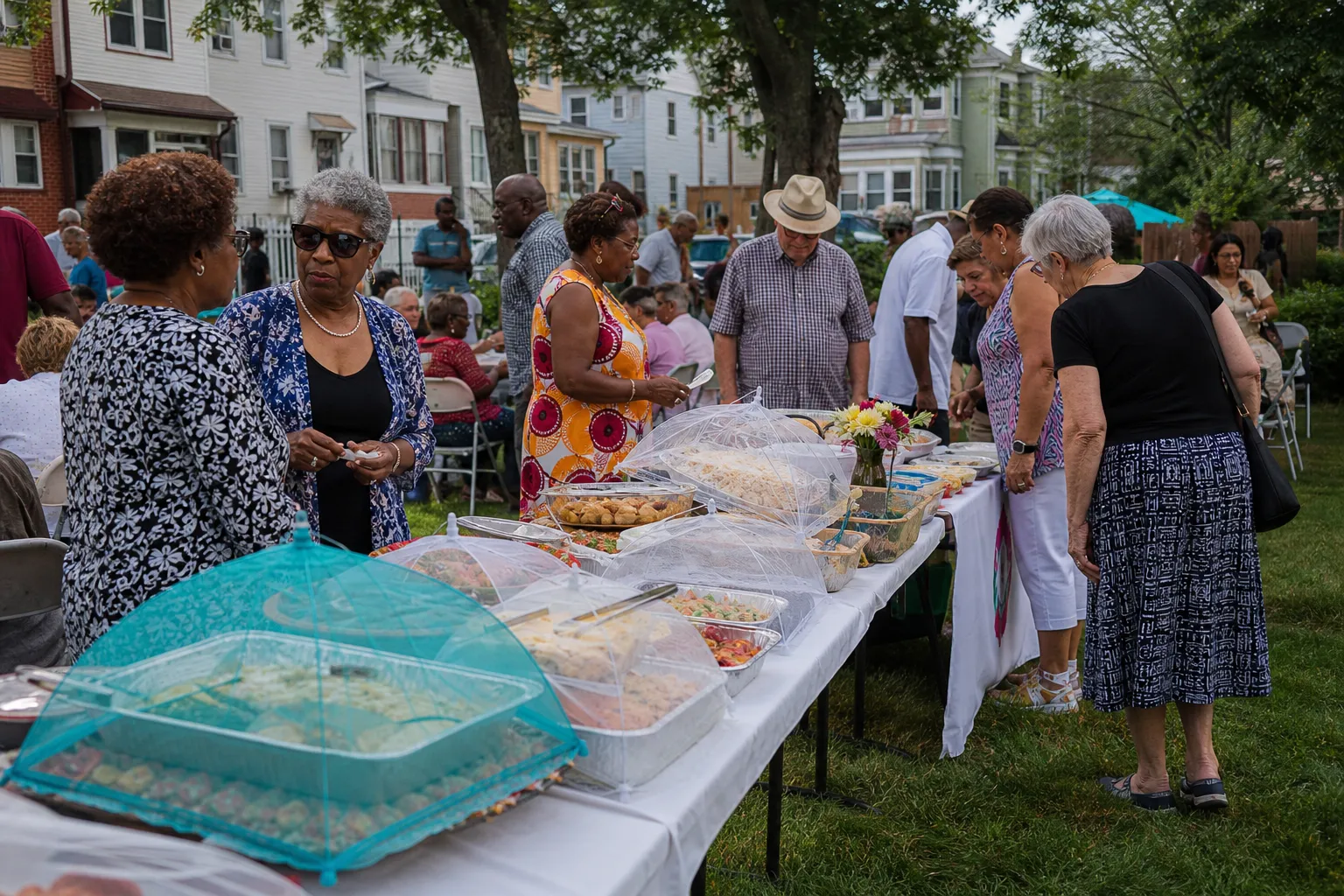
In Trenton, New Jersey, residents of the Hiltonia neighborhood joined the nationwide America’s Potluck initiative on July 5 by organizing a neighborhood dinner featuring dishes brought by participants. The event was one of more than 1,700 such gatherings across all 50 states, timed to coincide with the United States’ 250th anniversary.
As Al Jazeera English reports, such communal dinners are increasingly being used to restore social ties in communities. At the gathering in Hiltonia, which drew about 25 people, neighbors got acquainted, discussed the neighborhood and shared the dishes they had brought.
Fewer shared meals
According to the 2025 World Happiness Report, regularly sharing meals is associated with greater life satisfaction. Countries where people eat together more often also report higher levels of social support and less loneliness.
At the same time, eating alone is becoming more common in the United States. In 2023, about one in four adult Americans said they had eaten all their meals alone the previous day. This was 53% higher than in 2003. Alice Julier, a sociologist and professor of food studies at Chatham University, noted that autonomy can be appealing, but it can also intensify isolation and alienation.
More current news is available on the UA.News Telegram channel Telegram.
Food as a reason to get acquainted
Megan J. Elias, curator of food and wine history at the Smithsonian National Museum of American History, called potlucks an old social form. According to her, such gatherings allow people to treat one another beyond family or close relationships, exchange cultural traditions and foster a sense of mutual care.
In Maine, the organization Community Plate has held more than 50 free communal dinners since 2023, mostly in rural communities. Participants are invited to bring dishes, recipes and stories connected to them. According to surveys of nearly 400 participants, 96% said they had connected with someone they had previously not known well, while 88% felt a stronger connection to their community.
Anthropologist Ashanté M. Reese of the University of Texas at Austin stressed that a one-time dinner alone does not guarantee the emergence of lasting relationships. In her view, such meetings are the beginning of the work of building a community in which people learn to share responsibilities, care about others’ needs and build trust.


