
Authorities in Tasmania are investigating reports of contamination in fish feed at the Skretting plant
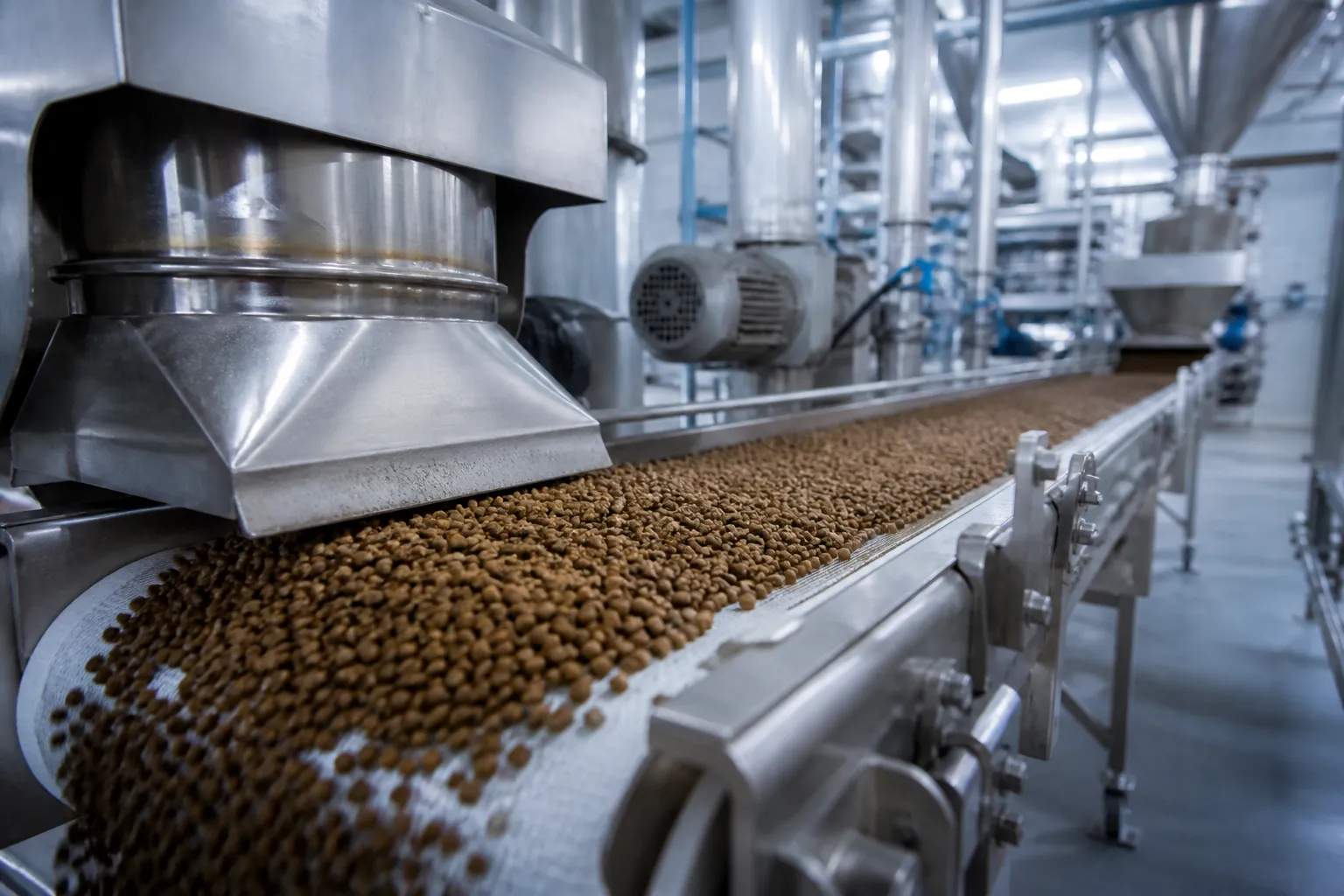
The Tasmanian Biosecurity Service is investigating claims of possible contamination of fish feed at the Skretting Australia facility in Cambridge, near Hobart, according to ABC News Australia. The complaint was filed with the regulator by former employee Matthew Levien, who resigned after less than two weeks on the job as a team leader.
Levien claims he saw moldy feed being reprocessed into new pellets. He says he reported this to operators and managers, but his concerns were ignored. He also reported the presence of pigeons, their droppings, and eggs in the raw material receiving area, as well as stray cats in the warehouse. He took photos and videos and posted some of the material on Facebook after filing the complaint.
In a written letter to Biosecurity Tasmania, the former employee noted that the mold could indicate the presence of mycotoxins—toxins produced by certain types of mold. In his opinion, this could pose risks to fish health and potentially to the safety of the food chain. The Tasmanian Department of Natural Resources and Environment confirmed that it is aware of these allegations and is conducting an investigation, without providing further details.
For more breaking news, follow the UA.News Telegram channel.
Skretting Australia stated that it does not agree with the assumption that moldy material was intentionally used in feed production. The company reported that the products shown in the posts became moldy during storage; they were isolated during the receiving process and are being prepared for disposal. The manufacturer emphasized that this material has not been and will not be included in production, so there is no risk to food safety.
The company also stated that finished feed is regularly tested by an independent laboratory for undesirable substances, including mycotoxins and aflatoxins. According to Skretting, all analyses conducted in 2025 and 2026 showed levels below the limit of detection. The manufacturer stated that it will cooperate with regulators.
Christian Narkovich, a senior lecturer in pharmacology at the University of Tasmania, noted that fungal contamination of salmon feed is a common occurrence, particularly due to the use of plant-based ingredients. According to him, mycotoxins can harm the health of salmon, particularly affecting the liver and the immune system. At the same time, he emphasized that it remains to be determined whether the potential mycotoxin levels in Skretting’s feed exceeded established standards.


