
A necklace set with 673 diamonds was stolen from a museum in Vienna
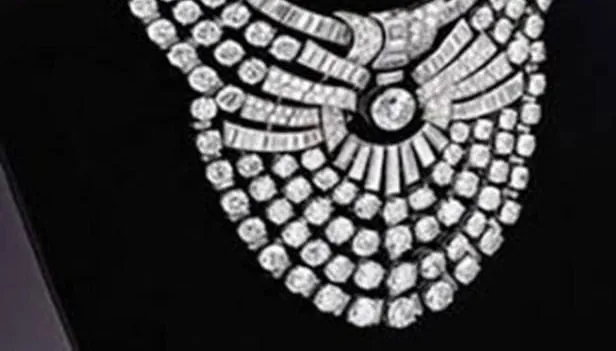
In the center of Vienna, two men stole a valuable necklace adorned with 673 diamonds from the Museum of Applied Arts (MAK). The necklace belonged to Egyptian Queen Nazli.
According to law enforcement officials, the two men entered the museum as ordinary visitors on Thursday around 2:00 p.m. They then smashed a glass display case and took the necklace. The perpetrators likely knew in advance which specific exhibit they wanted to steal.
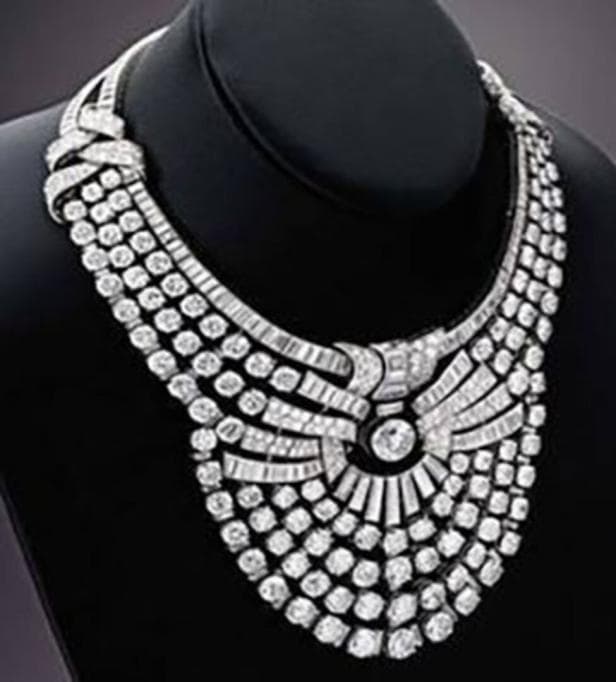
The exact value of the necklace is not yet known, but police say it is very high.
The stolen necklace is made of platinum and adorned with 673 diamonds weighing a total of 200 carats. The piece was custom-made for the Egyptian royal family.
Queen Nazli wore the necklace in 1939 at the wedding of her daughter Fawzia to the Iranian Crown Prince, the future Shah Mohammad Reza Pahlavi.
The stolen necklace was on display at the “Glanzstücke” exhibition, which is currently being held at the MAK. The exhibition features approximately 500 exhibits, including more than 300 pieces of jewelry from the French house Van Cleef & Arpels and over 200 items from the museum’s own collection.
After the theft, two men fled. The police launched a manhunt, which included the use of a police dog. Law enforcement officials also obtained images of the suspects.
According to the police description, the men are approximately 170–175 centimeters tall, of slender build, with dark hair and dark beards. They were wearing black outerwear and dark athletic shoes with white soles.
This is reported in an article by Kurier.
Four Renaissance paintings were stolen from a museum in Messina.
Earlier in Vilnius, a work by Ukrainian photographer Boris Mikhailov, which was featured in the exhibition “Ukrainian Dreamers: The Kharkiv School of Photography,” was stolen from the Art Museum at the Radziwill Palace.
In Ukraine, new storage facilities are being created to preserve museum collections and cultural artifacts that are being evacuated from frontline regions. They will be located in the western regions of the country, though the exact locations are not being disclosed for security reasons.




