
UNICEF: In Lebanon, 22% of families said their children went to bed hungry — Jerusalem Post
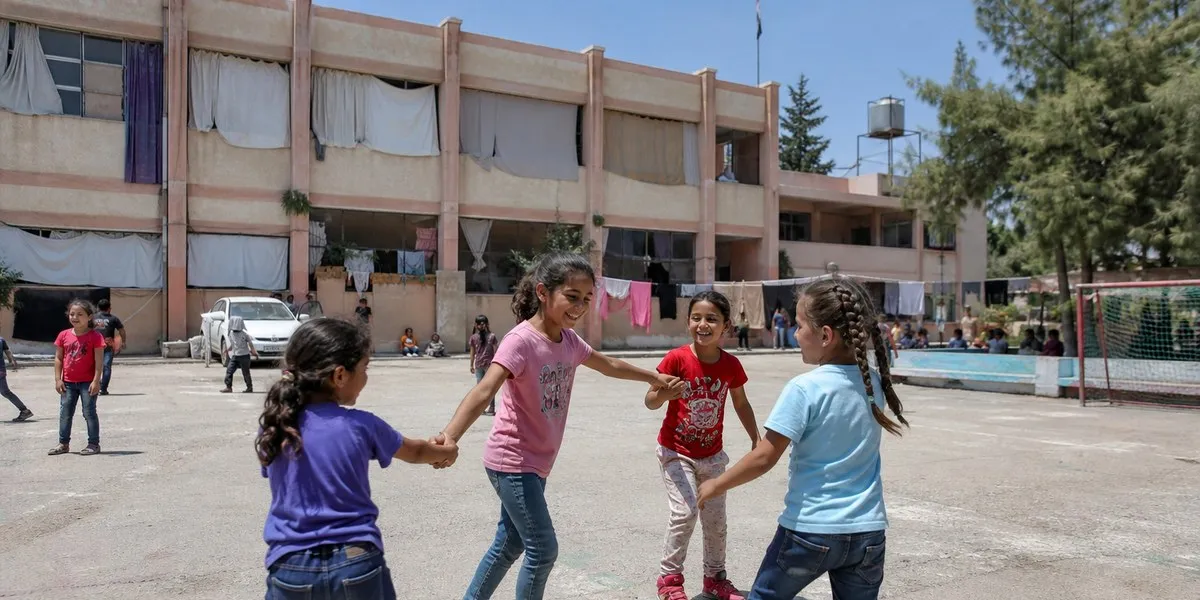
In Lebanon, 22% of surveyed households reported that their children had gone to bed hungry during the two weeks preceding the survey. UNICEF cited the economic consequences of the war and the displacement of people from the south of the country as the reasons, the Jerusalem Post reports.
More than four out of five households, or 82%, said that compared with three months earlier, it had become more difficult for them to meet basic needs. Fifty-five percent of respondents could not provide children with three meals a day, while only 10% of households with children under five reported that they could provide them with a sufficiently diverse diet. In 14% of families, at least one child was forced to work, compared with 6% in January 2025.
Access to medical care
According to UNICEF estimates, 71% of families have difficulties meeting their children’s medical needs, three times more than six months ago. In 38% of households, there was no access to medicines needed by children, while 31% reported that their children did not receive necessary medical care, mainly because of its cost.
About 6% of surveyed households said that their children had fallen ill or been injured because of the war. Among these children, 34% did not receive the assistance they needed. Disruptions to water supply systems affected more than 700,000 people, including 238,000 children, increasing the risk of preventable infectious diseases spreading.
More current news is available on the UA.News Telegram channel Telegram.
Consequences for education
UNICEF also reported that during the past six months of the war, an average of seven children were killed or injured every day. The organization estimates that about 12% of injured children now have disabilities.
At the peak of the conflict, 433 public educational institutions, approximately one-third of Lebanon’s public school network, were converted into shelters. This may have deprived about 100,000 children of access to classrooms. During the war, 436 schools were damaged, of which 37 were completely destroyed.
Seventy-six percent of families reported greater difficulties in meeting their children’s educational needs, 46% reduced spending on education, and 17% were forced to discontinue their children’s education. One in five households said that their children did not attend school at all last year. UNICEF representative in Lebanon MarcoLuigi Corsi stressed that without urgent and sustained action, the consequences of the crisis could follow an entire generation of children and young people into adulthood.




