
Homo erectus skull fragment about 2 million years old described in South Africa — ScienceDaily
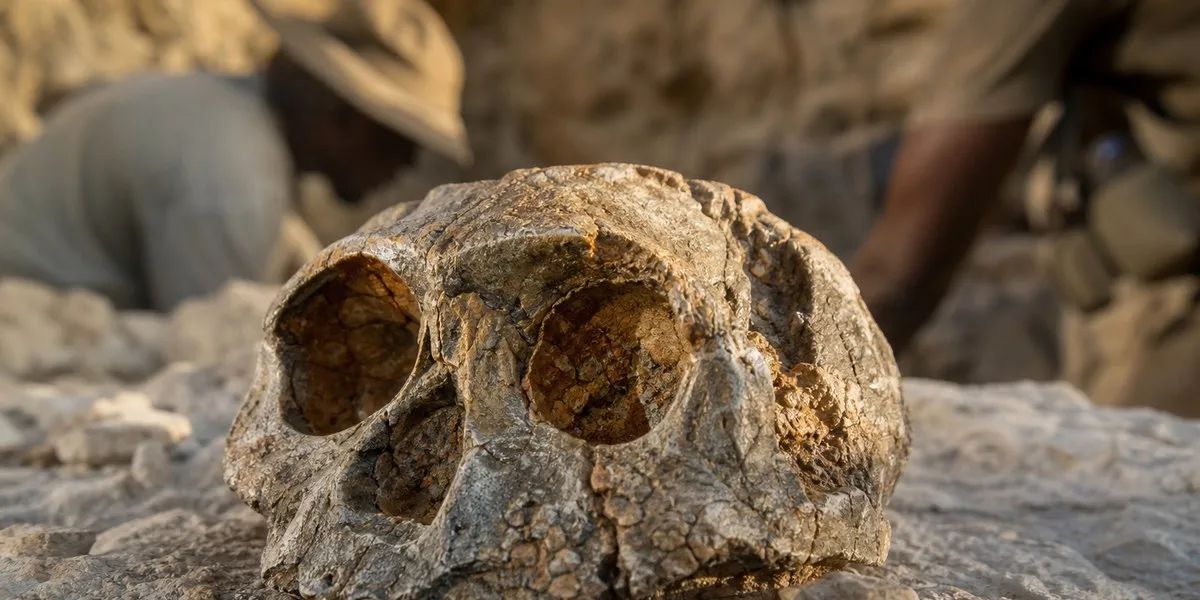
Researchers in South Africa have described 18 hominin fossil remains from the Main Quarry at Drimolen, including a skull fragment of an adult Homo erectus about 2 million years old. The find strengthens evidence that this species existed in southern Africa approximately 200,000 years earlier than had been suggested by other known adult remains, ScienceDaily reports.
An adult Homo erectus individual
The remains come from the Main Quarry at Drimolen in the region known as the Cradle of Humankind. The quarry was discovered in 1992 and excavated until 2019, but many fossils found there had not previously been formally described.
Specimen DNH 127 is the first known fossil of an adult Homo erectus from Drimolen. Previously, specimen DNH 134, which belonged to a child aged between two and four years, was found at the site. According to the study authors' estimate, DNH 127 is approximately 200,000 years older than adult Homo erectus remains from Dmanisi, Georgia, dated to about 1.8 million years ago.
More current news is available on the UA.News Telegram channel Telegram.
Changes in Paranthropus robustus
The described fossils also include remains of Paranthropus robustus, which lived in the same landscape as Homo erectus. Researchers indicate that between 2 million and 1.8 million years ago, P. robustus developed larger teeth and more powerful chewing muscles. These changes are linked to adaptation to environmental and climate changes.
The scientists compared P. robustus fossils from Drimolen with remains about 1.8 million years old from Swartkrans Cave. According to their conclusions, the Drimolen specimens differ slightly but significantly. Study leader Jesse Martin noted that the Drimolen population had previously been considered distinct enough to designate the subspecies P. robustus ukusa, and the new materials provide additional support for this classification.
The study was published in the journal Annals of Human Biology. Scientists from La Trobe University, the University of Johannesburg, the University of the Witwatersrand, and the University of Washington participated in the work.




