
In Estonia, a festival for people with disabilities has been made more accessible
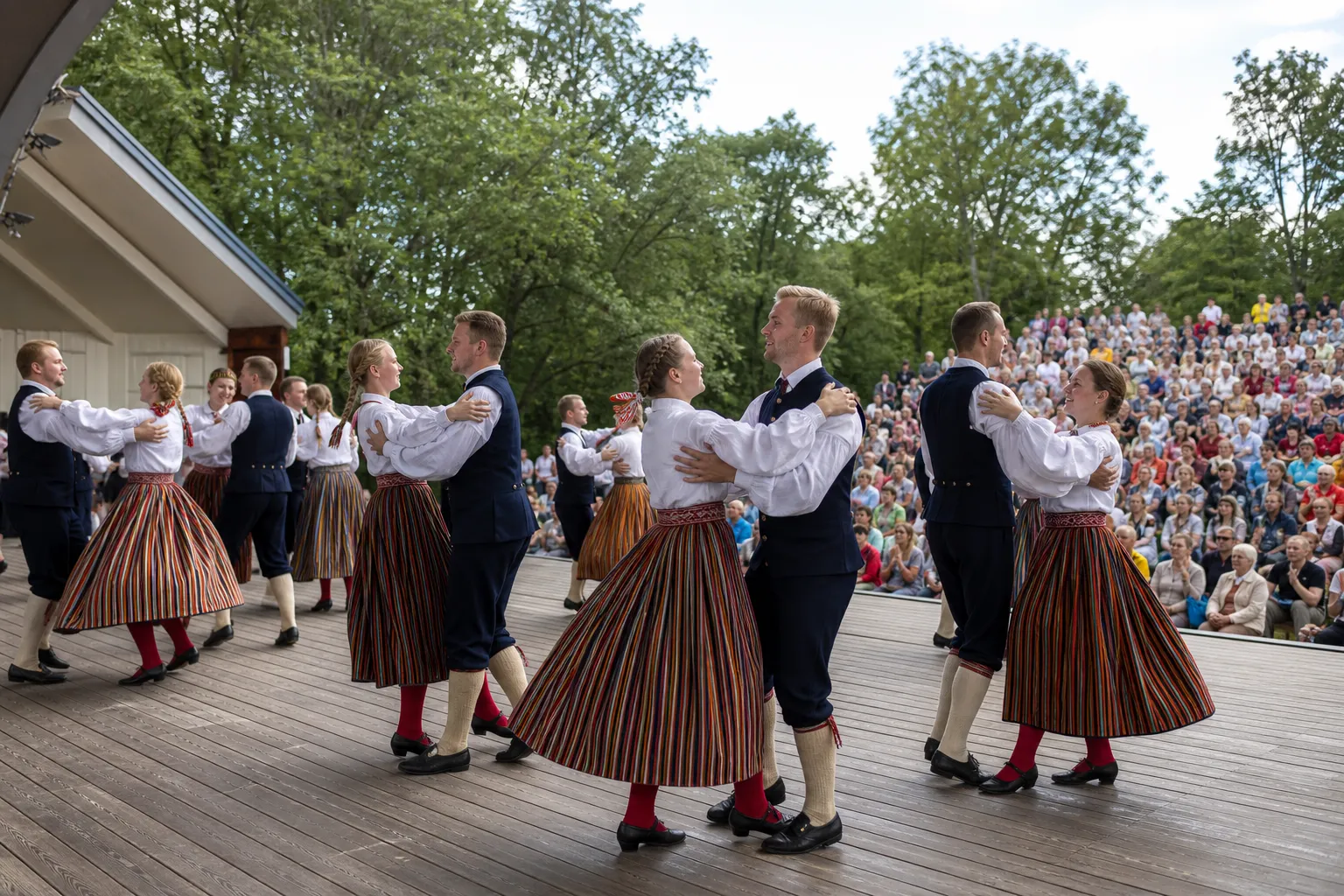
The 16th Song and Dance Festival for People with Disabilities, “We Must Look Out for One Another” (Üksteist peab hoidma), took place in Viljandi. Singers and dancers from all over Estonia gathered at the Viljandi singing stage.
The event featured Estonian sign language interpretation, real-time subtitles, and audio description. The festival was also streamed online on the Jupiter platform of the Estonian public broadcaster ERR.
Audio description consultant Kai Kunder noted that the rain and wind at the start of the event did not dampen the spirits of those in attendance. According to her, the performance of the national anthem during the opening ceremony made a special impression on her, and the participants and audience supported one another.
For more breaking news, follow the UA.News Telegram channel.
Krista Fatkin provided live audio description of the dance performances for blind and visually impaired viewers. Kunder advised her during the broadcast. Preparation for the audio description begins well in advance: specialists review recordings of rehearsals and study the choreography, including steps, turns, gestures, and lifts.
At the same time, audio description does not need to replicate every single movement. Describers convey the main elements of the dance, emotions, and specific visual details—such as the movement of skirts or the participants’ flower wreaths.
According to Kunder, several dozen people in Estonia have been trained in audio description, but only about 20 specialists are actively working in this field. They create audio descriptions for theater, film, museums, exhibitions, song and dance festivals, and other cultural events. These descriptions must be understandable to people with varying levels of visual impairment.


