
US Navy works to reduce backlogs in naval aviator training
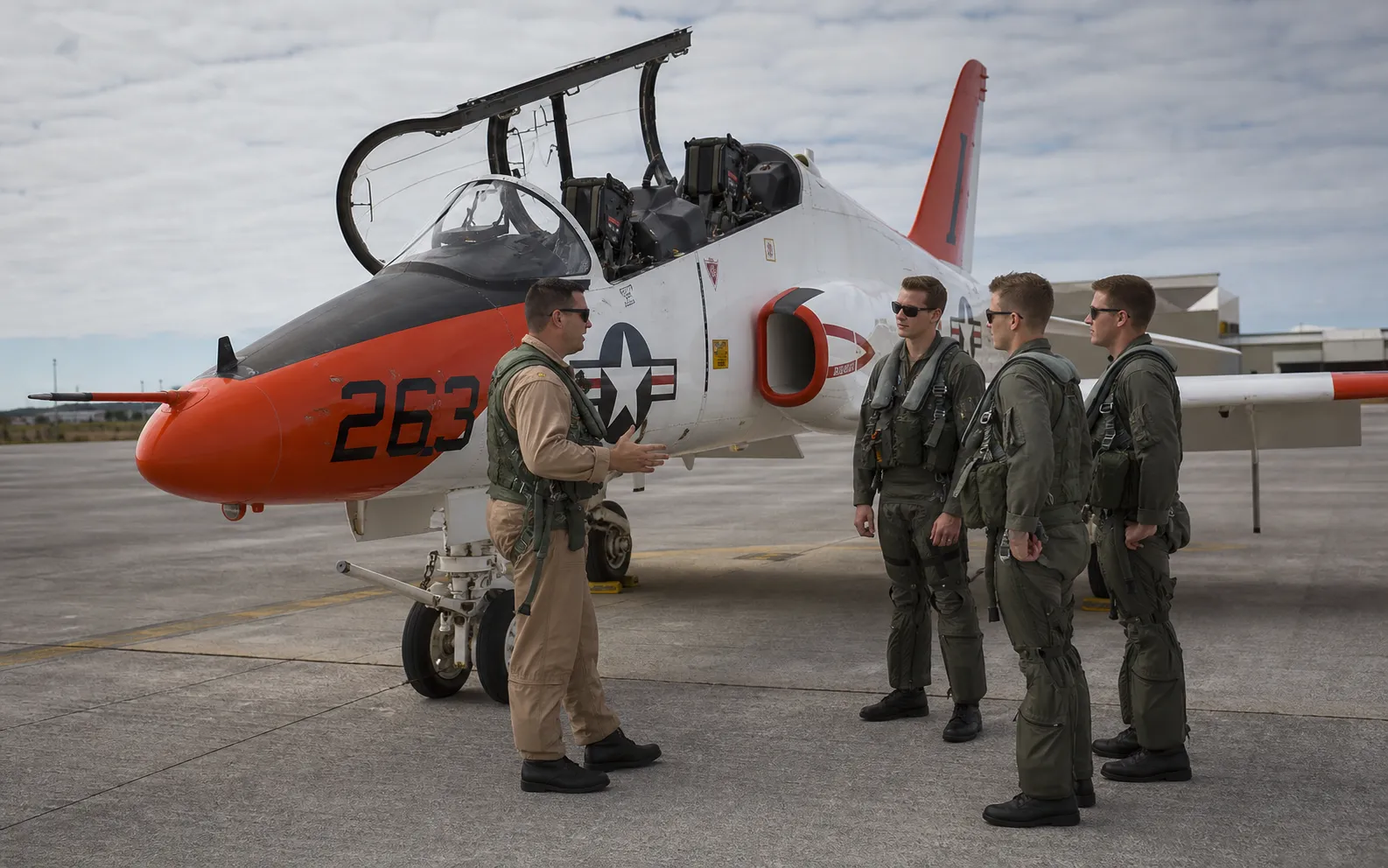
US Naval Aviation Training Command is working to reduce backlogs in the pilot training system that have emerged at several stages at once. According to Naval Air Training Command chief Rear Adm. Max McCoy, the main constraints are a shortage of training aircraft and instructors, as well as an accumulation of students who wait longer to move on to the next stages of training.
As Breaking Defense reports, the command had failed to meet the fleet's need for graduates for nearly a decade, largely because of problems with T-45 training aircraft. This created a queue of newly commissioned officers who, even before beginning flight training, were waiting to enter the eight-and-a-half-week NIFE program in Pensacola, the first stage.
Backlog in replacement squadrons
According to the Naval Aviation 2025 Playbook, the command's previous leader, Richard T. Brophy Jr., managed to bring output to 105% of requirements across all aircraft types, models and series. However, after one stage improved, a bottleneck emerged in Fleet Replacement Squadrons, where aviators undergo training after receiving their wings before serving in the fleet.
Because of delays, aviators arrive at their first assignment later, while subsequent career milestones are not postponed. As a result, junior officers do not always have time to complete a full tour in a production assignment before they are transferred to other naval positions or used to fill personnel needs. McCoy identified the time from commissioning as an officer to arrival in the fleet, rather than only the graduation rate, as the key metric.
More current news is available on the UA.News Telegram channel Telegram.
Instructor shortage and ground-based systems
McCoy described staffing the instructor corps as the most acute problem. The command draws on pilots after their first sea duty, permanent flight instructors, reservists, representatives of the US Marine Corps and, in certain cases, the Coast Guard. It also uses SERGRADs, graduates selectively retained in instructor positions while they wait for a place in a replacement squadron.
Currently, 15 SERGRADs from the Marine Corps provide jet training in Kingsville and Meridian, freeing more experienced instructors for advanced stages of training. The command is also expanding the use of contract instructors, former Navy and Marine Corps pilots, many of whom have experience on the T-45, at the basic stage of training.
A separate area is the integration of Live Virtual Constructive training into the curriculum. McCoy stressed that ground-based virtual systems should not replace flights, but should help students develop skills before flying and perform exercises more successfully on the first attempt. He also supports stricter criteria in the early stages of NIFE and basic training so that students who already meet higher requirements reach the advanced phase.


