
Report records 80% decline in average size of monitored populations in Africa — Mongabay
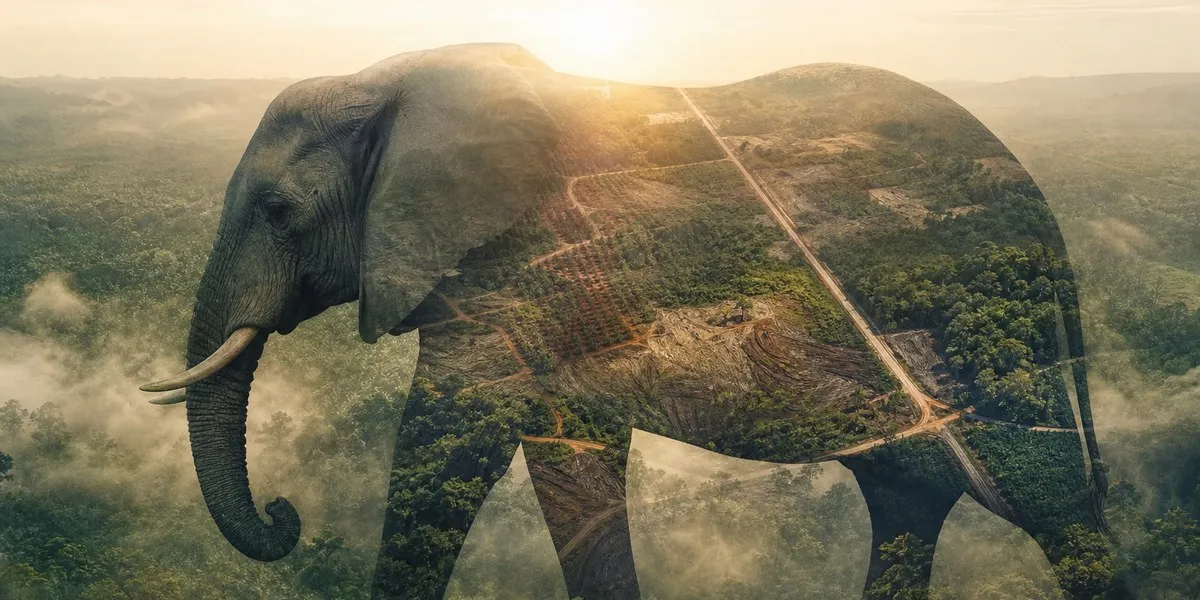
The average size of monitored wild animal populations in Africa declined by 80% between 1970 and 2022. The data are presented in the global Living Planet Report 2026, Mongabay reports.
The study covered monitoring of mammal, bird, fish, reptile and amphibian populations. Africa’s figure exceeds the global average decline of 73%. The largest regional drop, 95%, was recorded in Latin America and the Caribbean.
What the index measures
The Living Planet Index, jointly managed by the Zoological Society of London and the World Wide Fund for Nature (WWF), is based on 35,803 population trends involving 5,790 vertebrate species worldwide. It shows changes in the average size of populations monitored by researchers and does not mean that Africa has lost 80% of all wild animals or species.
Habitat destruction and degradation were the most frequently recorded pressures on populations worldwide. Other threats cited in the report include overexploitation of natural resources, climate change, pollution, disease and invasive species.
More current news is available on the UA.News Telegram channel Telegram.
Pressure in the Congo Basin and examples of recovery
In the Congo Basin, nature is affected by agricultural expansion, logging, mining, as well as roads and other infrastructure that fragment forests and open access to previously remote areas. Hunting and poaching are an additional factor. According to WWF, the number of African forest elephants has fallen by more than 60% in recent decades, mainly because of habitat loss and illegal killing for ivory.
At the same time, about half of the populations included in the index are stable or increasing. In southern Africa, some savanna elephant populations are growing where local communities directly participate in wildlife management and benefit from it. Such programs have been accompanied by measures against illegal trade, judicial reforms and anti-corruption efforts.
The report states that protecting only individual species and habitats is insufficient to halt biodiversity loss. Changes must also affect food and energy production, as well as financial systems.




