
South African farmer on unprofitable vineyards and the cost of organic wine — Daily Maverick
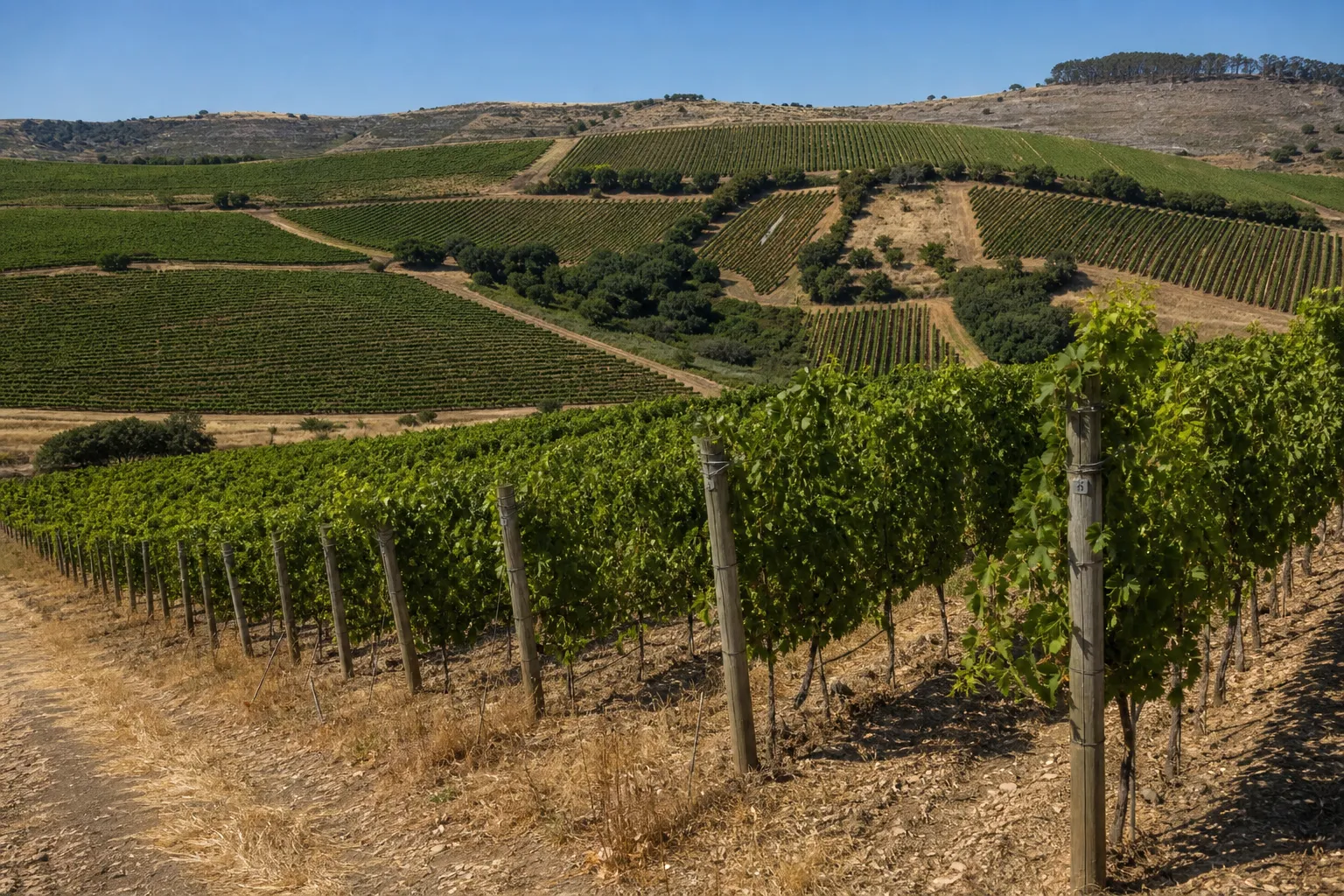
Former farmer Johan Simons, who grew grapes in the Paardeberg area near Malmesbury in South Africa, believes that only about 10% of the country’s wine estates are truly profitable. According to him, vineyards require years of investment, while an increasing number of estates are sustained by money their owners earn in other fields.
As Daily Maverick reports, in the late 1990s Simons bought a farm with his wife Diana and friends. He noted that vines begin producing a usable crop after about four years, while grapes for wine of the desired quality can be obtained after around seven years. At the same time, the producer must pay for planting, pruning, labour, equipment, bottles, barrels, fuel, plant protection products and marketing.
High costs per hectare
Simons estimates the current cost of maintaining a vineyard at about 70,000 rand per hectare. According to Vinpro’s 2024 industry guide, vineyards in Stellenbosch need revenue of about 80,000 rand per hectare to break even, while average income from grapes in the area was significantly lower.
According to the farmer, owners often try to offset costs by opening cottages, restaurants, tasting rooms, wedding venues or mountain bike trails. Other options include selling land for residential development or having an estate acquired by wealthy investors. Simons’ farm was later bought by investors from Switzerland.
More current news is available on the UA.News Telegram channel Telegram.
Of the farm’s 318 hectares, Simons and his partners included about 270 hectares in a nature reserve with permanent protected status. He called this his main achievement, although the decision reduced the farm’s commercial value.
Soil, weeds and vine protection
To plant grapevines in the acidic granite soils of the Cape winelands, the land must be deeply ploughed and limed. At Simons’ farm, about 50 tonnes of lime per hectare were applied to raise the soil pH from approximately 4.7 to above five.
The farmer believed that viticulture cannot be entirely environmentally friendly because of the monocultural nature of production. His farm operated without irrigation, synthetic pesticides or herbicides: the soil was restored with compost, straw and organic materials, while weeds were removed manually. Simons described weed control as the biggest expense under this approach.
At the same time, organic production was not completely free of chemical agents. Workers manually applied small amounts of sulphur and copper to the vines to protect them from fungal diseases. After crushing the grapes, about 50 grams of sulphur dioxide per tonne were added to curb bacteria and allow natural yeasts to begin fermentation.


