
"A Foundation for Years to Come": Who Has Joined the New Leo Team Roster
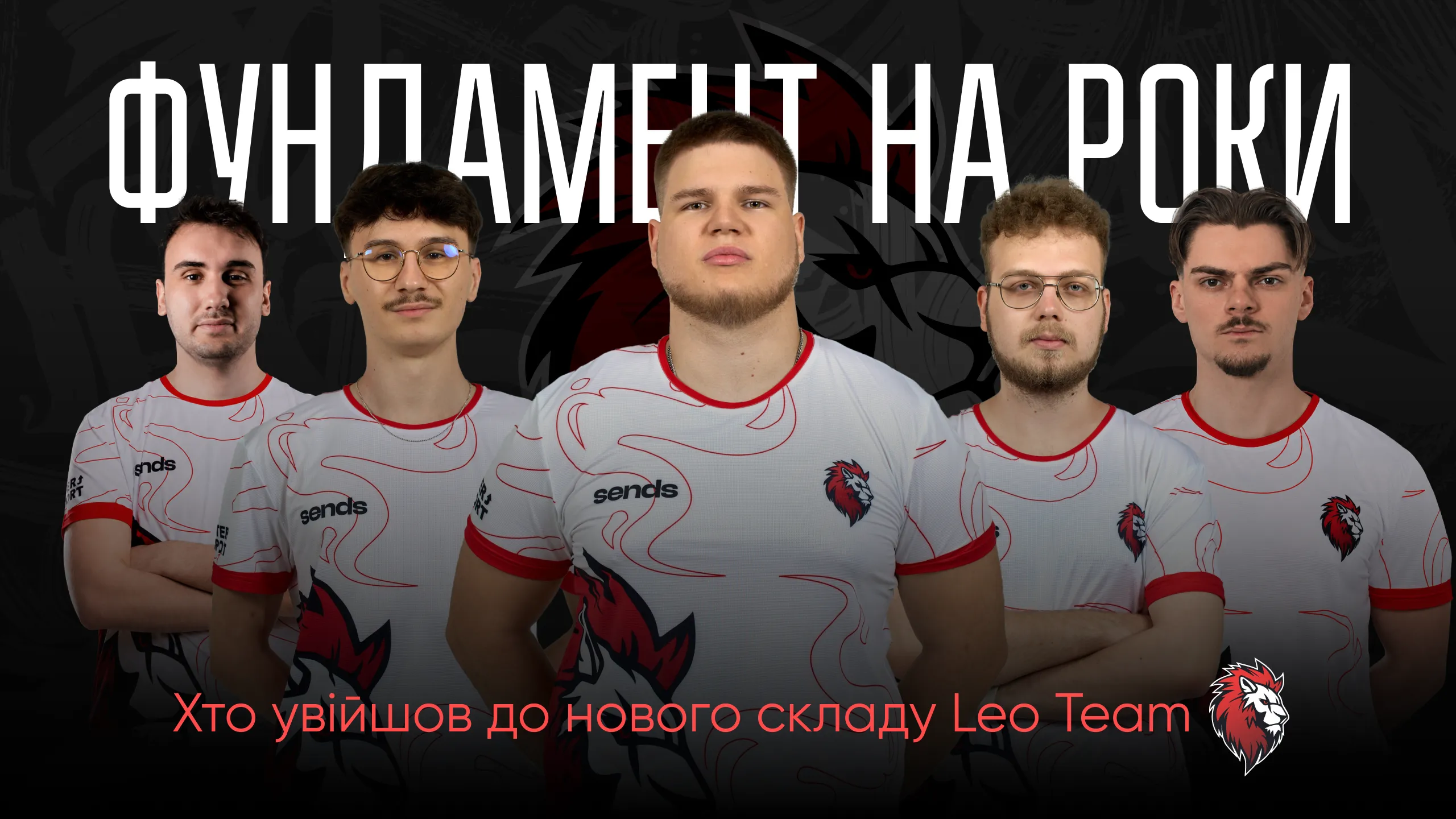
In professional Counter-Strike, sometimes replacing just one player is enough to make a team play completely differently. This summer, Leo Team went much further—it essentially rebuilt its roster and opted for an international lineup. Now, players from Ukraine, France, and Poland are competing under one banner, each with their own history, experience, and approach to the game.
For Leo Team, this isn’t just another roster shake-up ahead of the new season. The organization is trying to combine different esports styles within a single roster: the more emotional and aggressive French style, the structured Polish style, and the Ukrainian approach to Counter-Strike.
At the same time, the main goal isn’t to achieve quick results in a single tournament, but to build a team that can grow together gradually.
UA.News spoke with all five players on Leo Team’s new roster. We’ll tell you who now represents the team, what their journey into professional Counter-Strike has been like, and how they’re building team chemistry within this international roster.
Who Makes Up Leo Team’s New Roster
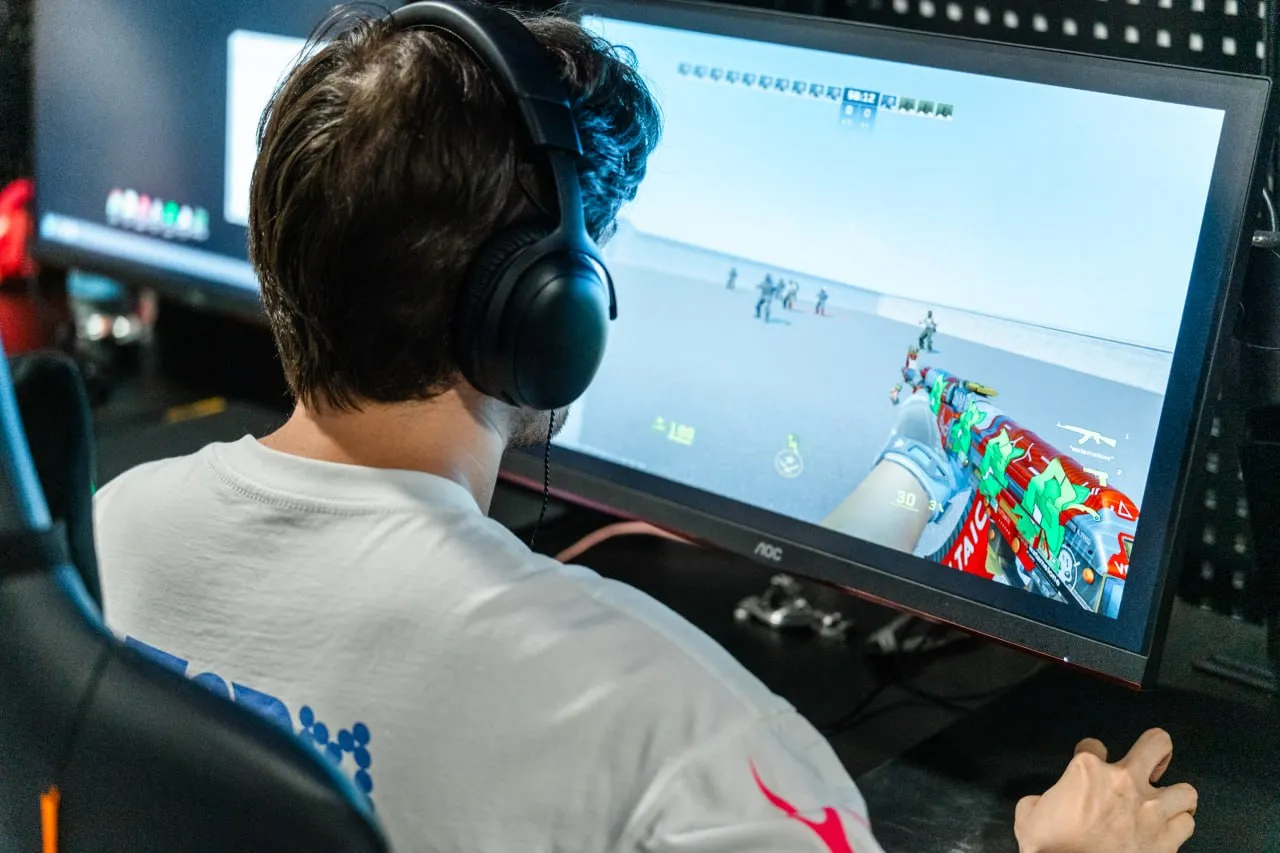
The current Leo Team lineup consists of Ukrainian Vladyslav “leen” Stepanov, French players Etienne “drac” Salaün and Julien “Tarkky” Buzogany, as well as Polish players Kacper “next1me” Parakowski and Jakub “aimy” Kleczkowski. The team is coached by Ukrainian Dmitry “rjy” Chumak.
The roster is quite diverse, not only in terms of nationality but also in terms of experience. It includes 27-year-old drac, who has played for a dozen French and international teams, and 21-year-old Tarkky, who began joining professional teams while still a teenager.
There are Polish players who spent a significant part of their development on the local scene and on FACEIT, and a Ukrainian captain around whom the entire team’s system must now be built.
The rebuild took place gradually. First, leen joined Leo, then the roster was bolstered by the Polish players aimy and next1me, and in early August, drac and Tarkky became the final pieces of the new starting five.
In this way, Leo Team effectively moved away from the local roster model and shifted its focus to the international Counter-Strike scene.
The new roster has already passed its first serious tournament test. At the ESL Challenger League Season 52 Europe Cup 2, the team finished in fourth place. But within Leo, they’re not rushing to judge the rebuild based solely on these initial results—the players themselves talk much more often about the need to build a system, mutual understanding, and their own style.
Vladyslav “leen” Stepanov: “We’re laying the foundation for years to come”
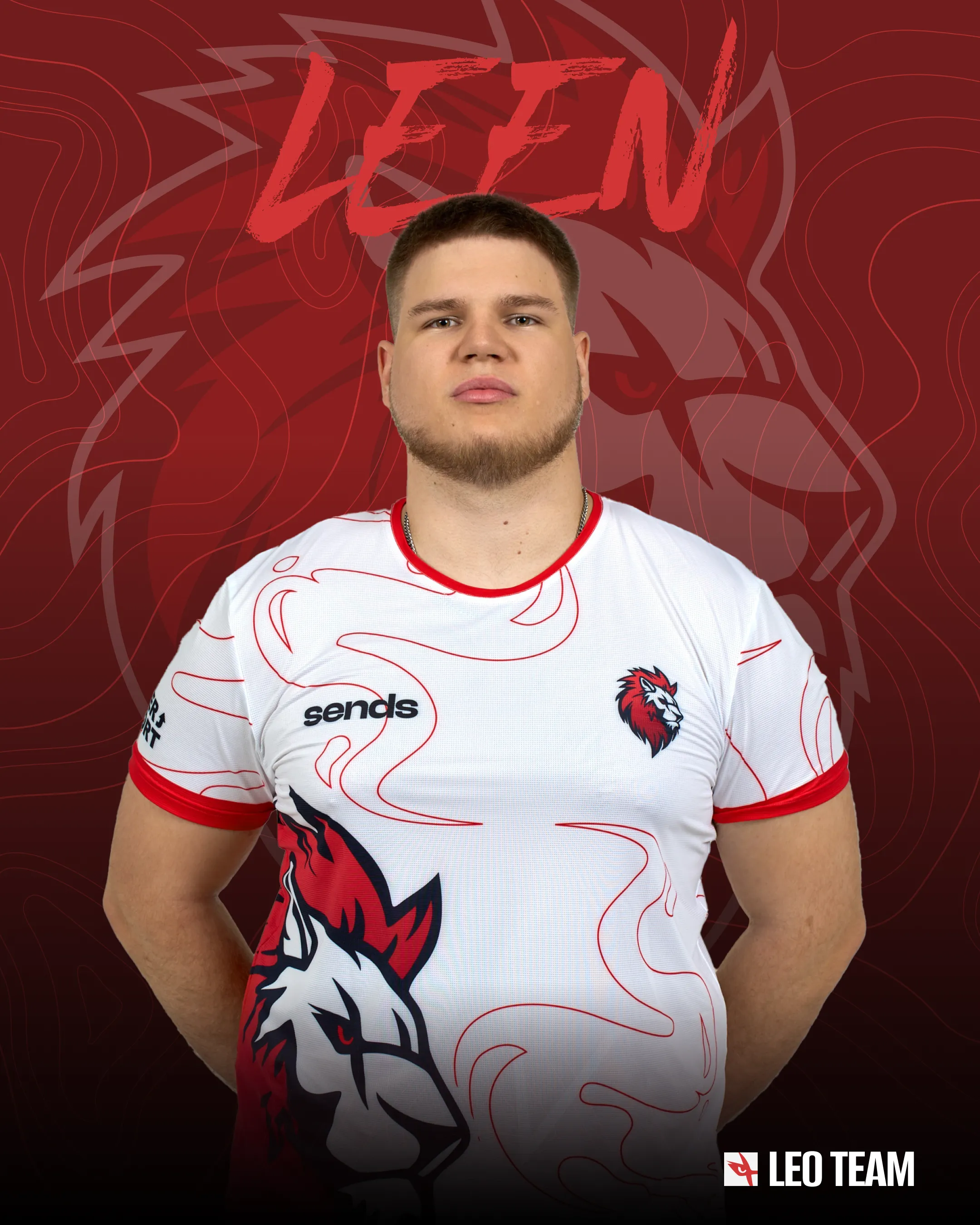
21-year-old Vladyslav “leen” Stepanov is the captain of the new Leo Team and the person who best illustrates the logic behind the roster’s composition.
Before joining Leo, the Ukrainian played for L&G, Monte Gen, Monte’s main roster, and Wildcard Academy. In this new project, his role extends far beyond his own gameplay: as captain, he must unite five players with varying levels of experience and different approaches to Counter-Strike.
According to leen, when putting together the roster, the team didn’t want to simply gather five people with the best stats from the very beginning.
“We weren’t just recruiting five people who can shoot—we were building a team that could grow together. We want LEO to be talked about in a year or two not as ‘just another Ukrainian organization,’ but as a team with character, a recognizable playstyle, and one that’s truly fun to root for. Not a one-off project for a tournament, but a foundation for years to come,” said Leo Team captain Vladyslav “leen” Stepanov.
That’s exactly why the players’ character and chemistry have become just as important to Leo as their individual skill levels.
“Of course, you want to assemble a team of five stars. But I’ve learned from experience that five strong egos on one team without chemistry will fall apart faster than a team of guys who may be weaker individually but really understand each other,” explained leen.
Combining the French and Polish approaches to Counter-Strike proved to be a particular challenge.
According to the captain’s observations, the French are more impulsive and emotional in the game: they’re often more willing to act first and analyze the situation afterward. The Poles, on the other hand, tend toward structure, discipline, and a clear plan.
During the first training sessions, this difference even caused some friction. Some players wanted to make decisions faster, while others wanted to pause and discuss the situation in more detail.
However, leen sees this as a potential advantage.
“It is precisely from this friction that something new can emerge, if we learn to use it rather than simply suppress it,” the team captain said.
He cites the players’ potential and desire to prove their skill level as the new Leo’s main strength.
The main problem is consistency in crucial moments.
“We start strong, but when it’s time to close out the match, we lose our focus somewhere along the way. That’s what we’re working on every day,” leen noted.
It is precisely a match against a team ranked in the world’s top 30–50 that leen calls one of the most interesting possible tests for the current roster. Such a game, in his opinion, could show just how ready Leo is to take the next step.
At the same time, the captain suggests that readiness for major LAN tournaments shouldn’t be determined solely by rankings and statistics.
“When a team stops being afraid of losing—that’s when it’s ready. As long as the players are playing just to avoid messing up, they’re tense, and it shows. But when they start playing to win, without worrying about the consequences of a mistake—that’s when I know we can take them to the big stage,” concluded the Leo Team captain.
Etienne “drac” Salaün: Experience and Versatility on the French Scene
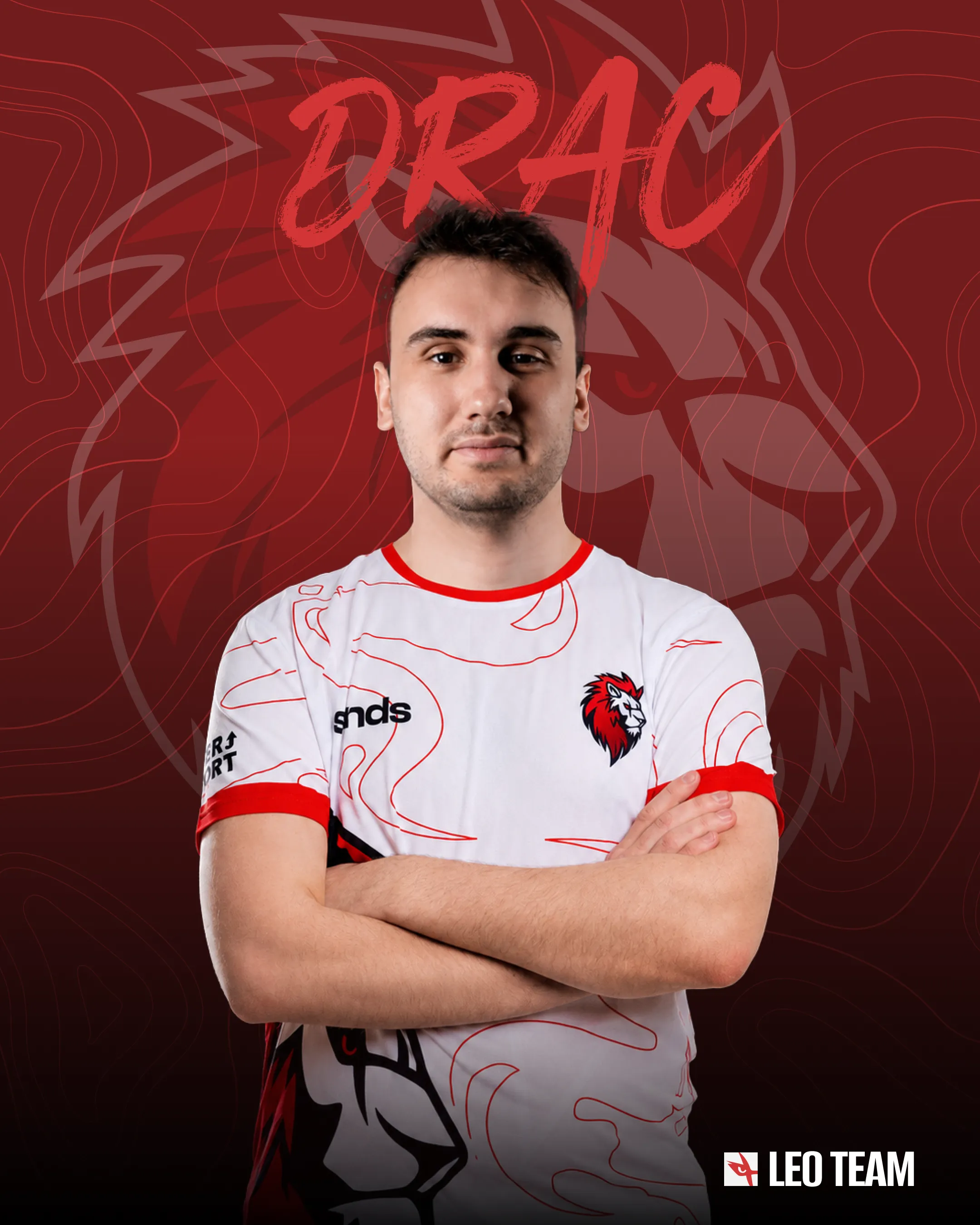
Etienne “drac” Salaün is the oldest player on Leo Team’s new roster. The Frenchman is 27 years old and has a much longer professional career behind him than most of his current teammates.
At various times, he has played for HellSide, Exalty, Clutch Rayn, UBITEAM, Ambush, Mixfits, Arcadia, GenOne, Mousquetaires, and FUT. He has also played alongside well-known figures on the French scene, including JACKZ and Nivera.
In 2026, drac earned the opportunity to represent the French national team at the Esports Nations Cup, and in the spring, he won the Gamers Assembly Festival 2026. At the same time, his path to professional esports was not entirely typical.
Drac didn’t give up his studies for Counter-Strike while he was still a teenager. He continued his education while competing for amateur teams and occasionally facing professional opponents.
It was then that the Frenchman gradually realized that his skill level was high enough to try turning pro.
But he didn’t make the final decision until after he earned his master’s degree.
“While I was in school, I played for amateur teams and occasionally faced off against professionals. So I knew that one day I could reach that level. After earning my master’s degree, I had the opportunity to play full-time for a French team, and I decided to give it a try. That’s how my professional career began,” said Etienne “drac” Salaün.
Over the years in Counter-Strike, drac has played virtually every role. He has also worked as a coach and analyst.
The Frenchman cites his versatility as his key strength.
“I’ve played virtually every role, coached, and done analysis, so I have a very good understanding of in-game situations. I can open rounds, clutch, support—basically do whatever the team needs,” explained drac.
He was significantly influenced by the previous generation of French Counter-Strike players.
Drac grew up watching VeryGames and players like Ex6TenZ, shox, ScreaM, and kennyS. It was their successes that inspired the young Frenchman to one day make it onto the professional scene himself.
Leo Team became one of drac’s first serious experiences on an international roster.
Before the move, he was most concerned about communication. According to the Frenchman, communication in English during a match becomes more concise. Sometimes this even helps—less unnecessary information allows you to stay calm. But sometimes, along with that, small details get lost.
On the other hand, he was satisfied with the atmosphere within the new roster from the very first practices.
Drac particularly highlighted the work of leen and coach rjy.
“They’re a great duo in terms of how they see the game. It’s a pleasure to follow their lead because they know exactly how they want to play. This gave me a different perspective on Counter-Strike, and I really liked it,” the French player shared.
At 27, drac now views his own development a little differently.
The Frenchman acknowledges that the older a player gets, the harder it is to completely change who they are. Instead, he can use his experience to help his teammates progress.
“I want to achieve more than I did with my previous teams. I hope to be a good teammate, teach the guys something, and lead the team to victory together,” said drac.
Kacper “next1me” Parakowski: the Polish scene, FACEIT, and a focus on personal development
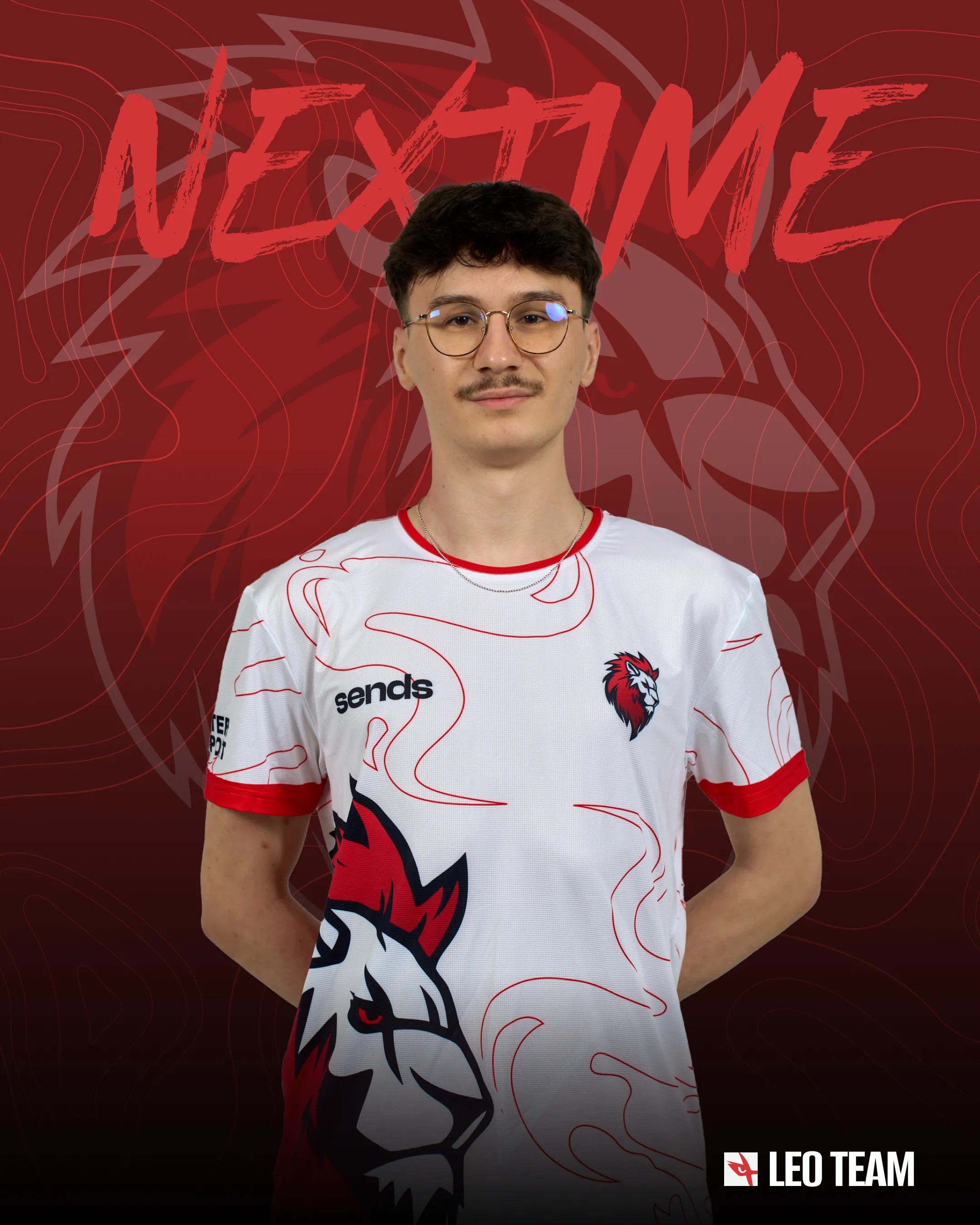
22-year-old Kacper “next1me” Parakowski is one of two Polish representatives on Leo Team’s new roster.
Before joining Leo Team, he played for GameAgents, KRAKEN, AVEZ, Ignis Serpens, 500 Rush, Back2TheGame, and brazylijski luz, following a path typical for many young Polish players—moving through local teams and constantly searching for a stable organization.
next1me takes a rather pessimistic view of the state of the Polish scene today. In his opinion, the problem lies not only in the lack of strong teams, but also in the fact that fewer and fewer young players are willing to invest time in building and developing a full-fledged roster.
“I think the Polish scene isn’t in the best shape right now,” noted Kacper “next1me” Parakowski.
He cites a shift in young players’ approach to their careers as one of the reasons. Instead of regular team practices, participating in ESEA, and looking for permanent teammates, many, he says, are focusing primarily on their personal rankings and FACEIT.
“From my perspective, Polish players would rather grind on FACEIT than form a team, play in ESEA, participate in practice matches, and so on,” explained next1me.
He himself found himself in a very similar situation at one point. After his experience with AVEZ, which he put together with friends, the Polish player decided not to waste any more energy on building a new roster from scratch. Instead, he focused on his own gameplay and individual development.
This pragmatism is also evident in how next1me views Counter-Strike in general. For example, he doesn’t share the view that good team play necessarily means constant communication throughout the entire round.
In his opinion, a strong professional player must be able to read the situation independently: shoot well, react correctly to what’s happening on the map, and use information from the radar. An excess of voice communication, the Polish player believes, can sometimes even be a hindrance.
At the same time, next1me distinguishes between communication directly during a round and a shared understanding of how the team wants to play. And it is precisely this second component that the new Leo still needs to work on.
“Overall, we’re playing well, but we need to talk more about exactly how we want to play so that everyone is on the same page,” he noted.
In fact, what matters to next1me isn’t how many words players say in voice chat, but how consistently all five players read the situation and understand the team’s next move.
A similar pragmatism is evident in his expectations for teammates. When asked who he’d like to have on his team, next1me doesn’t mention rankings or individual stats.
“Good people who want to learn and get better every day,” is how the player described the key qualities of his teammates.
As for life outside of Counter-Strike, next1me sees a potential connection to business. According to him, he already has a few ideas of his own, but he’s not ready to share the details of those plans just yet.
Jakub “aimy” Kleczkowski: Psychology Is Just as Important as Shooting
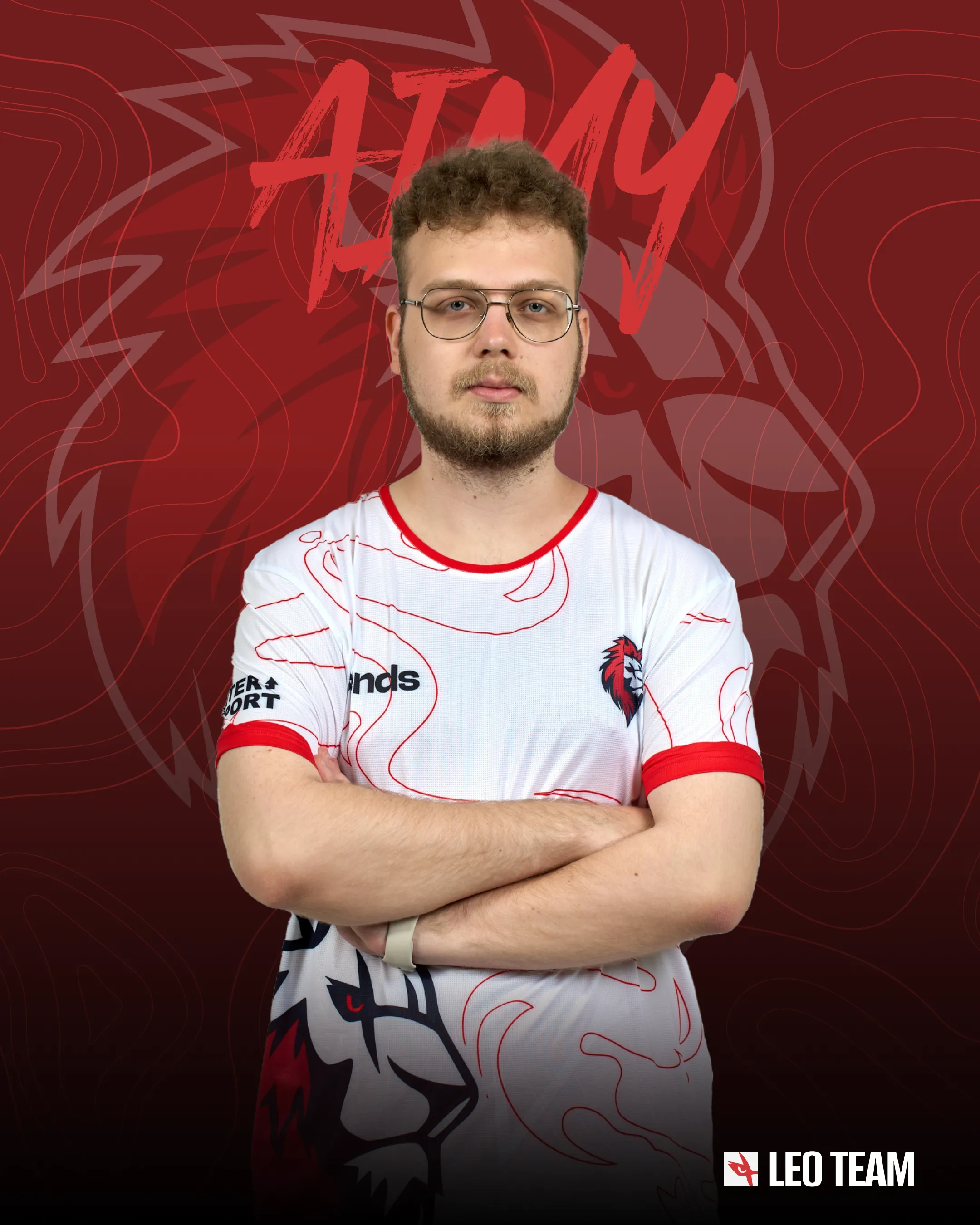
25-year-old Jakub “aimy” Kleczkowski joined Leo Team alongside next1me.
Prior to this, the Polish player competed for 500 Rush and brazylijski luz, and in the new international roster, he became one of the representatives of the Polish contingent.
However, when it comes to Counter-Strike, aimy focuses much more on the psychological side of the game than on statistics.
In his opinion, mechanical skill and mental preparedness are roughly equally important in determining a professional player’s success.
“For me, it’s 50-50. Of course, you need to be mechanically strong if you want to achieve something great. But without the right mindset, it won’t happen,” says Jakub “aimy” Kleczkowski.
His attitude toward losses is also interesting. According to aimy, a crushing defeat like a 2–13 loss is sometimes even easier to get over than a game where the team was just one round short of victory.
“If your opponent turns out to be much stronger, you can just accept it. It’s much harder to come to terms with a match that the team practically had in the bag,” explained the Polish player.
He also doesn’t see healthy competition within the team as a problem. As long as it doesn’t escalate into conflict, aimy says, it pushes players to work harder and become stronger.
He sees the real danger in interpersonal issues.
“If you don’t like each other, you won’t be a good team,” aimy emphasized.
That’s exactly why one of the Pole’s main positive impressions of the new Leo is related to the atmosphere.
According to him, he felt the positive vibe within the roster almost immediately: everyone works hard and, at the same time, enjoys playing together. He especially likes how the team analyzes mistakes.
“We can talk about a mistake, and no one gets mad at each other. I really like that,” aimy said about the atmosphere within the new roster.
This aligns well with leen’s comments on the principles that guided the team’s formation. The team was looking not only for strong individual players but also for people capable of interacting well with one another even after unsuccessful rounds.
Julien “Tarkky” Buzogany: a young Frenchman who wants to break out of the local scene
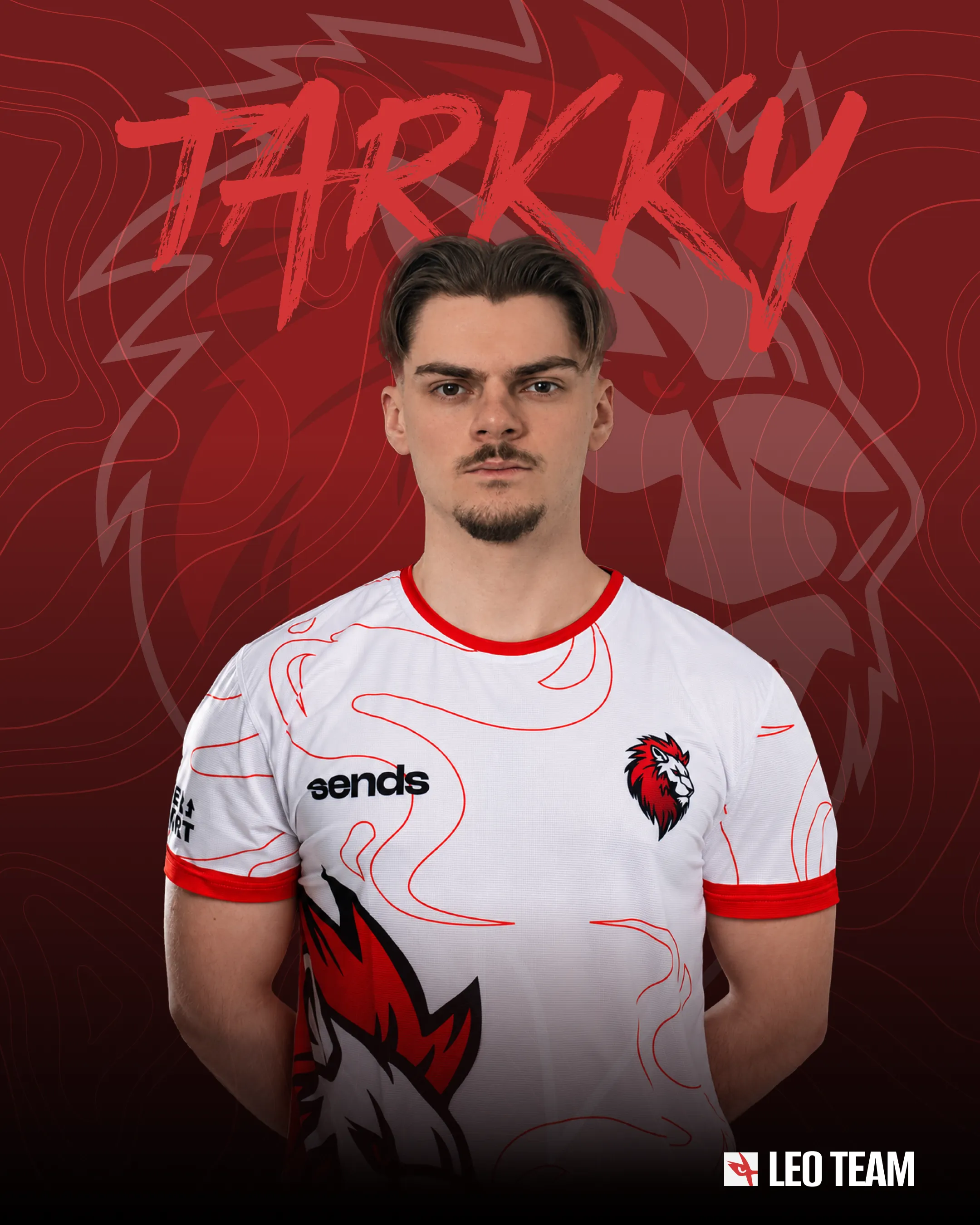
Julien “Tarkky” Buzogany is one of the youngest members of the current Leo Team. The Frenchman is only 21 years old, but his journey in competitive Counter-Strike began when he was still a teenager.
His first notable team was GenOne in 2022, when Tarkky was about 17 years old.
Next came TheDice and ADEPTS, where he spent nearly a year. In 2025, the Frenchman played for Caldya, returned to GenOne, and later joined Mousquetaires.
In early 2026, he secured a spot on aAa, and by August, he had moved to Leo Team. Tarkky was also called up to the French national team for the 2026 Esports Nations Cup.
On the server, one of his defining traits is his active participation in opening rounds. This is one of the riskiest roles in Counter-Strike: the player often has to be the first to engage the opponent, gather intelligence, and create space for teammates.
Tarkky himself, however, cautions against relying too heavily on statistics when evaluating professional players.
According to him, clubs today do pay close attention to the numbers, but an overall rating doesn’t always reflect a player’s actual contribution to the game.
“An anchor or lurker will inevitably have a smaller statistical impact than a star player around whom a significant part of the system is built,” Tarkky explained.
Another advantage for Tarkky after joining Leo is that he didn’t find himself among complete strangers.
The Frenchman had previously played alongside drac on Mousquetaires. They competed together in LAN tournaments and already have experience playing together on the server.
“We’re a really good duo,” Tarkky said of his partnership with drac.
The atmosphere itself was one of his main first impressions of the new team.
According to the Frenchman, the players work hard and share a common goal—to win. But for him, it’s important that his teammates can enjoy spending time together outside of matches as well.
“I think it’s very important for players to be friends off the server as well, because good team chemistry is essential for a positive atmosphere and victories. Many people underestimate the importance of getting along well with teammates. After all, our job is to play the game, so the five of us need to enjoy it,” Tarkky shared.
The Frenchman also attributes his move to Leo to the situation on the domestic scene.
Tarkky wanted to try his hand at the international Counter-Strike scene because, as he put it, there aren’t many opportunities in France today to consistently form new competitive rosters with enough strong players.
“The main reason I joined Leo Team is that I wanted to play with international players. In France, our ability to build teams with strong players is quite limited,” the Frenchman explained.
Therefore, Leo Team became an opportunity for him to step outside the local ecosystem and test himself in a completely different environment.
Three countries and five different stories: what the new Leo Team might look like
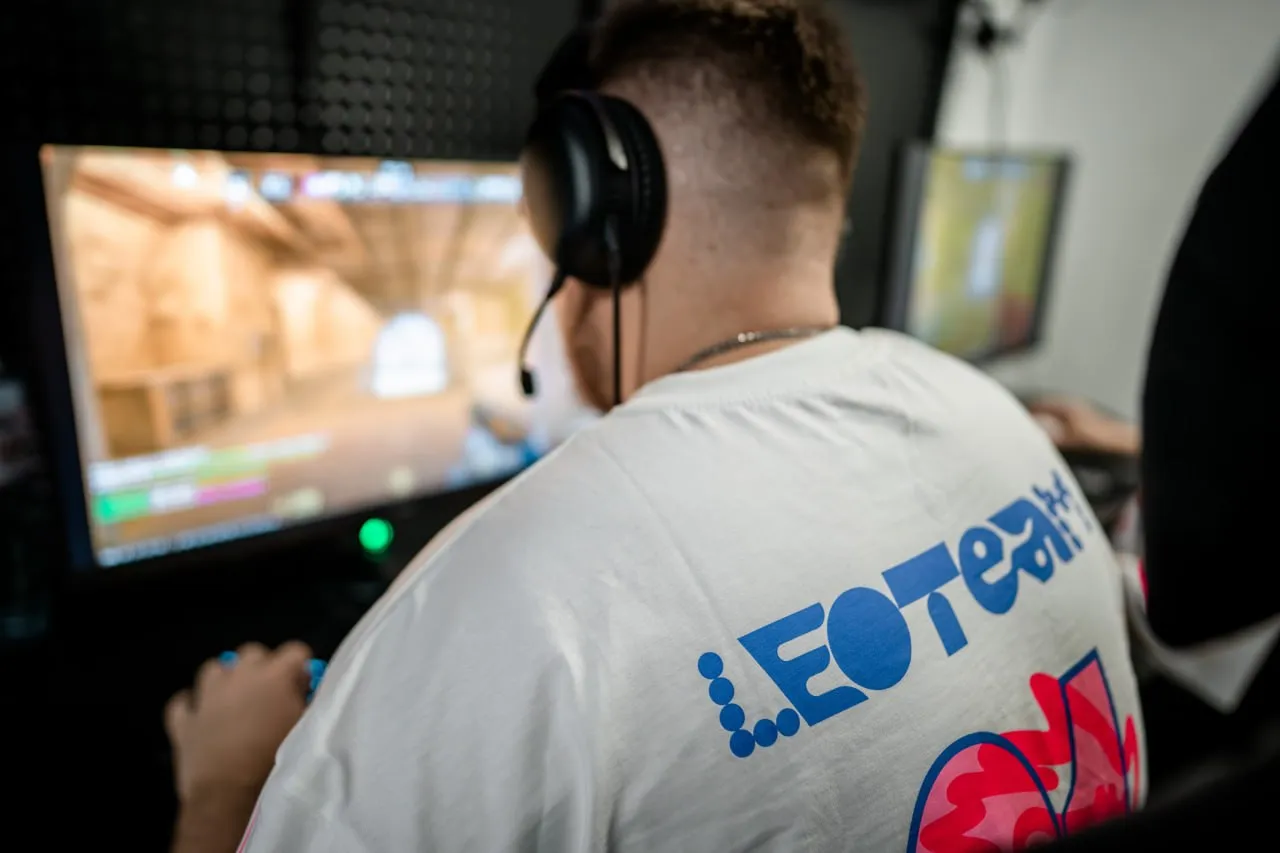
It would be premature to judge Leo Team’s restructuring based on its first few weeks.
The French players have only recently joined the team, the Polish players have been competing under the new tag for a little longer, and all five still need to learn to interpret the dozens of situations that arise during a single match in the same way.
However, from the players’ own responses, it’s already clear what the team is trying to build its new project around.
Leen talks about long-term foundations and character. Drac talks about versatility, experience, and the desire to help younger teammates. Next1me talks about personal responsibility for one’s own development. Aimy talks about psychology and interpersonal relationships. Tarkky talks about trust, friendship, and team chemistry.
At the same time, almost none of them cite a specific ranking or raw mechanical skill as the new roster’s main advantage.
For a roster that brings together the Ukrainian, French, and Polish schools of Counter-Strike, the coming months will first and foremost test whether their different approaches to the game can be integrated into a unified system.
It’s fairly easy to assemble five strong players. It’s much harder to ensure they share the same vision of the game, trust each other’s decisions, and remain a team after a few painful losses.
This will largely determine whether leen’s main thesis holds true—and whether the current Leo Team will truly become a “foundation for years to come,” rather than just another international roster for a single season.




