
Analysts have warned about the obsolescence of software-defined vehicles
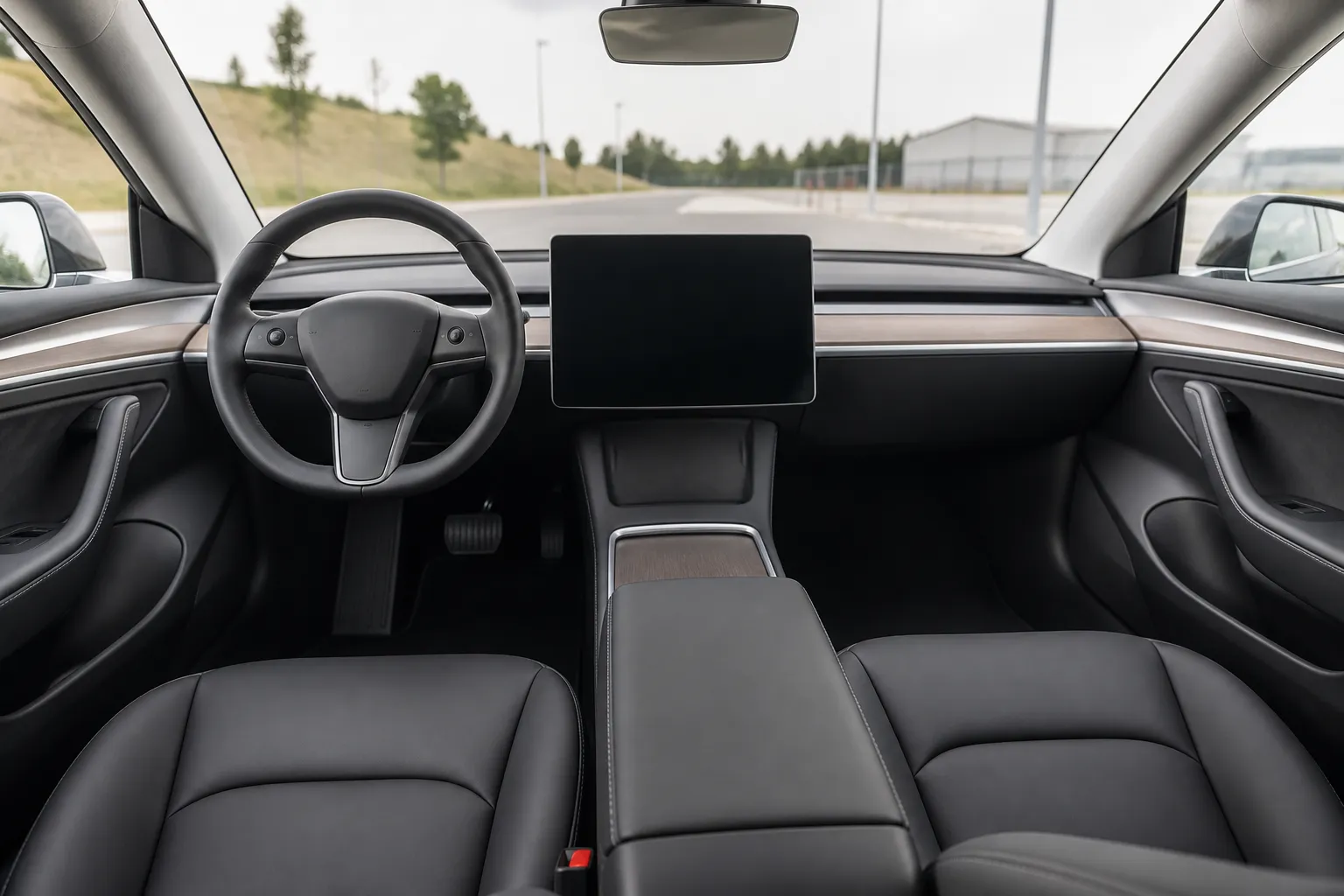
The automotive industry does not yet know how long software-defined vehicles—in which many functions are controlled by complex computers and software—will be able to operate at full capacity. Analysts surveyed by CNBC Top News warn that the electronic components of such vehicles may become obsolete before their mechanical parts do.
These vehicles can receive over-the-air updates and connect to the internet or communication networks. This allows manufacturers to remotely diagnose certain problems, perform some fixes, and add new features. According to Mobility Global, the average age of a car in the U.S. has risen to 12.8 years, while the average cost of a new car is nearly $50,000.
Sam Fiorani, senior vice president of vehicle forecasting at AutoForecastSolutions, stated that problems are already arising when hardware cannot handle new software. He noted that some car features may eventually become unavailable due to outdated hardware or the end of product support.
A similar situation occurred in 2022 when AT&T shut down its 3G network. Millions of cars of various makes lost access to certain services, including emergency response systems, as well as some navigation and infotainment features. The cars remained roadworthy but lacked some of the capabilities available at the time of purchase.
For more breaking news, follow the UA.News Telegram channel.
Rivian’s Chief Software Officer, Wassim Bensaid, stated that the company is building approximately seven to ten years’ worth of update potential into its hardware. Rivian also commits to providing security and safety updates indefinitely. At the same time, Sam Abuelsamid, Vice President of Market Research at Telemetry, expects that updates to new features will often last only a few years, after which the software may outpace the hardware’s capabilities.
Tesla had previously stated that cars produced in 2016 were equipped for fully autonomous driving. However, in April, Elon Musk said that cars with the Hardware 3 computer would need upgraded computers and cameras for “unsupervised” full self-driving. The company announced that eligible customers will be offered a hardware upgrade or a trade-in discount.
Alex Yurchenko, vice president of data analytics at J.D. Power, believes the used car market could split into vehicles with ongoing support for “over-the-air” updates—which will retain their value better—and those without it. Among potential buyer concerns, he cited the availability of features, calibration of driver-assistance systems, data privacy, subscriptions, and connected services.


