
Why an electric vehicle’s stated power is not always available for long — InsideEVs
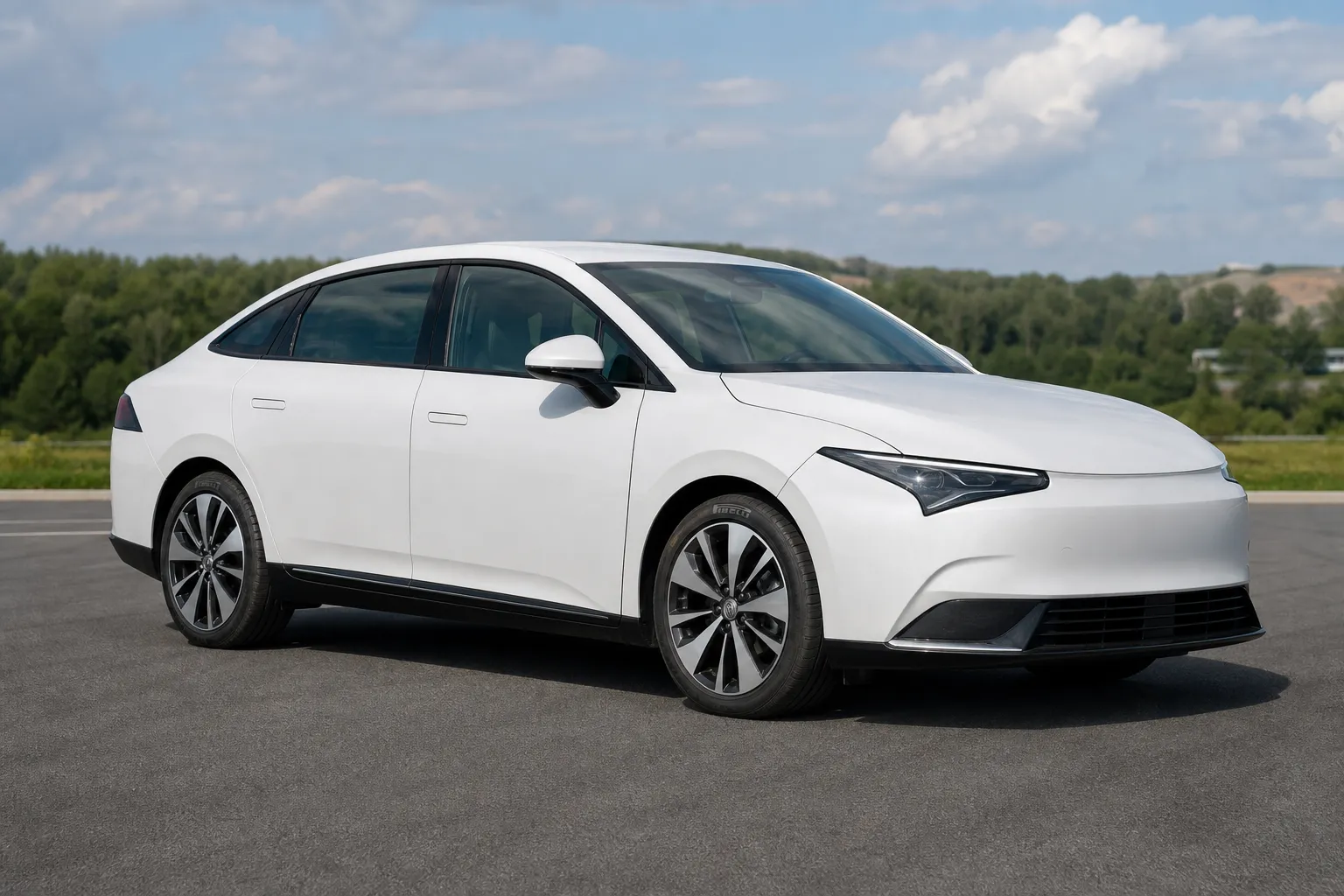
Electric vehicles have two valid power ratings: peak power, which manufacturers usually use in advertising, and sustained power, which reflects the ability of the powertrain to operate without overheating. As InsideEVs reports, a vehicle claimed to have more than 1,000 horsepower may deliver that output only briefly under maximum acceleration, while registration documents in some European countries list a much lower figure.
Peak and sustained power
Peak power is the maximum output that electric motors can provide for a short time due to high current. Sustained power indicates the output that the entire electric drive can maintain for longer without overheating. The difference between these ratings is primarily affected by the heating of the battery, motor windings, and inverter. When the temperature of one of the components reaches a set level, the control system reduces the current, and with it torque and power.
The available peak power is also affected by the battery charge level. As the battery discharges, its voltage decreases, so the powertrain may lose the ability to provide its stated maximum. How early such a reduction occurs and how noticeable it is depends on the specific model. Not only the type of electric motor is important, but also the battery’s capabilities, inverter efficiency, and the design of the cooling system.
More current news is available on the UA.News Telegram channel Telegram.
A standardized 30-minute rating
UN Regulation No. 85 defines a maximum 30-minute power rating. It measures the highest average useful power of the electric drive that it can maintain during a standardized 30-minute test. This figure makes it possible to compare the capabilities of different electric vehicles during repeated acceleration, prolonged high-speed driving, or towing a heavy trailer, although the actual result also depends on temperature, charge level, and cooling strategy.
The publication cites an example from Car and Driver track tests: the 835-hp Rivian R1T and the 430-hp Lucid Air began to lose pace as their batteries discharged. At the same time, the Hyundai Ioniq 5, rated at 320 hp, maintained stable acceleration until its charge fell below 20%. Tesla’s Track Mode has a Powertrain Endurance setting that reduces power to slow overheating of the battery and motors and ensure more stable operation over several laps.
During a manufacturer-organized test, Porsche stated that a pre-production Taycan completed 26 consecutive accelerations from 0 to 200 km/h, with the difference between the fastest and slowest results amounting to 0.8 seconds. The company linked this to the operation of the cooling and thermal management system, which under such conditions did not require power limitation.


