
Dawn editorial criticizes equal tax incentives for PHEVs and electric vehicles in Pakistan
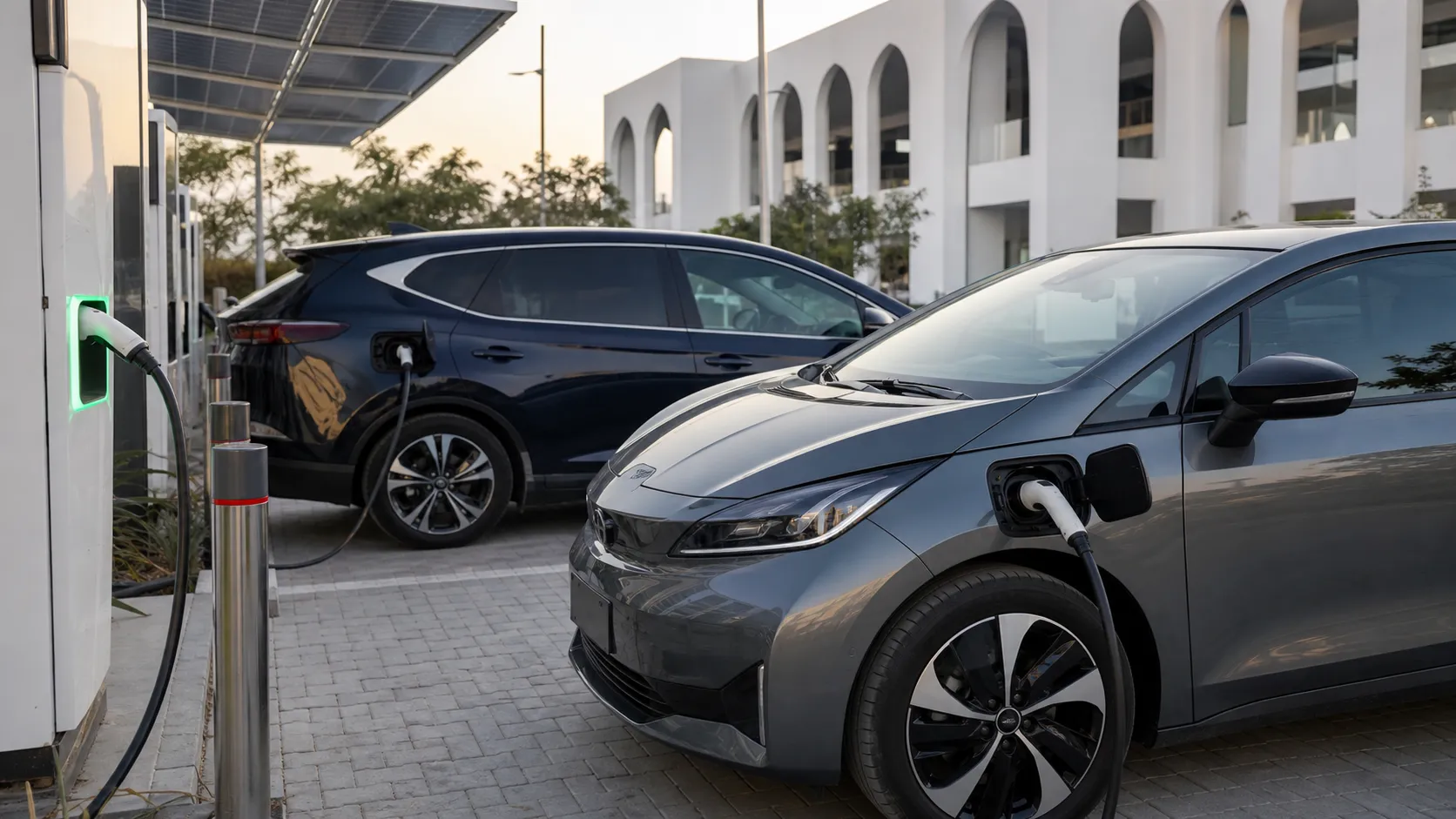
In Pakistan, a draft policy on new-energy vehicles provides for the same sales tax rate of 1% for CKD kits and components of plug-in hybrids and fully electric vehicles. The editorial board of Dawn considers this approach flawed, as PHEVs, which mostly use petrol, do not deliver the same environmental benefits as battery electric vehicles.
Incentives for different technologies
The editorial notes that the draft policy aims to electrify transport, reduce oil import costs and develop an export-oriented automotive industry. At the same time, putting PHEVs and BEVs on an equal footing in the incentive system, in the publication's view, weakens this goal.
Dawn draws attention to the weak charging-station network and consumers' concerns about electric vehicle range. According to the editorial board's assessment, equal subsidies make plug-in hybrids an easier choice for buyers, but do not promote the development of charging infrastructure or demand for fully electric transport.
More current news is available on the UA.News Telegram channel Telegram.
Taxes and production localization
The publication also recalled that PHEV assemblers had already received substantial benefits under the previous automotive policy but, according to the editorial board, failed to ensure production localization or the development of charging infrastructure. Repeating this approach, the article says, may once again be limited to subsidized assembly without significant technology transfer.
The draft policy provides for a 25% tax rate for conventional hybrids, compared with the previous 8.5%, while a 1% rate is proposed for PHEVs. Dawn believes the most substantial incentives should be reserved for BEVs, while other technologies should be allowed to compete based on actual emissions and fuel-saving performance.
The editorial board positively assessed the export targets, stricter localization requirements and incentives linked to exports of automotive components. At the same time, it stressed that such mechanisms should reward actual growth in exports and local value added, rather than support a low-localization assembly model.


