
US eases fuel economy standards for automakers — InsideEVs
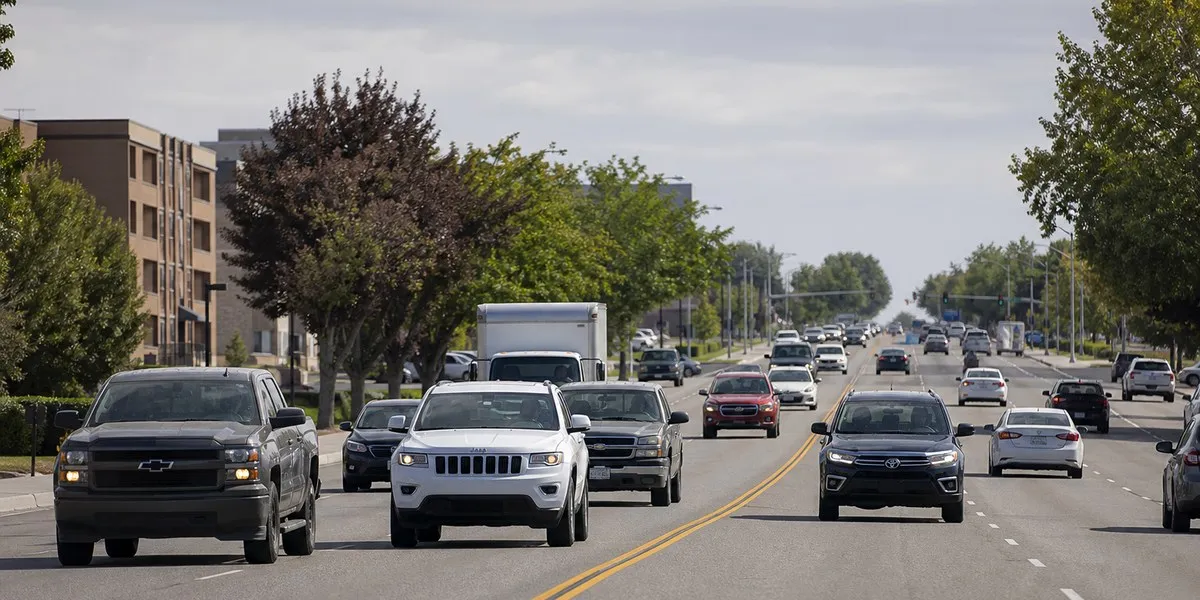
In the United States, the National Highway Traffic Safety Administration (NHTSA) has approved less stringent Corporate Average Fuel Economy (CAFE) standards for automakers. By 2031, companies must achieve an average of 34.9 miles per gallon across their light-duty vehicle fleets, InsideEVs reports.
This is below the target of 50.4 miles per gallon set under the previous administration of Joe Biden. By comparison, the target for 2024 was 30.4 miles per gallon. NHTSA noted that the 34.9-miles-per-gallon figure is an estimate, while actual vehicle fuel economy may be 20–30% lower, depending on the sales mix of models with different powertrain types.
Vehicle costs and gasoline consumption
According to NHTSA estimates, the new standards could reduce the average upfront cost of a vehicle by $1,290, as manufacturers will be able to use cheaper engine technologies instead of efficiency-enhancing solutions and electric vehicles.
More current news is available on the UA.News Telegram channel Telegram.
At the same time, an 892-page document released by the agency states that revising the rules could increase fuel consumption and harmful emissions. Under various scenarios, gasoline consumption in the United States could rise by 36–128 billion gallons by 2050. Under the intermediate scenario, additional consumption would amount to about 122 billion gallons.
Emissions and reactions
NHTSA also estimated that by 2035, the new rule could lead to an increase in emissions equivalent to having approximately 17 million additional vehicles on the roads. The agency expects an increase in negative health effects related to pollutant emissions in 2035 and 2050. In particular, formaldehyde emissions could increase by up to 12.6%.
US Transportation Secretary Sean Duffy said the new rules would make cars cheaper. The Alliance for Automotive Innovation, which represents major automakers including Ford, GM and BMW, supported the decision. Meanwhile, Katherine García, director of the Sierra Club's Clean Transportation for All campaign, said that less fuel-efficient vehicles would mean more gasoline burned, higher costs for drivers and worse air quality.




