
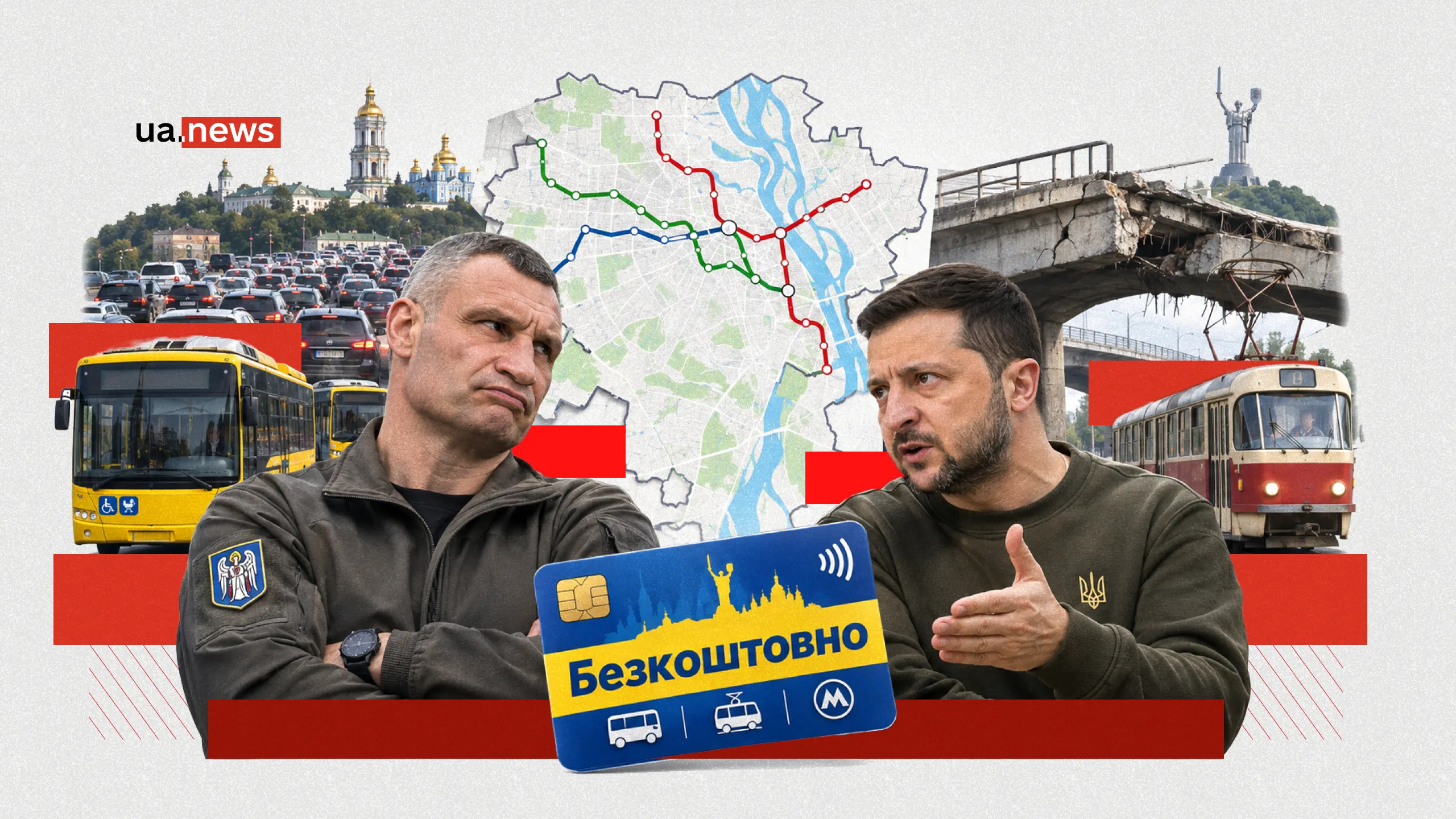
Kilometer-long traffic jams, a shortage of drivers and vehicles, and—in the future—a metro shutdown. In addition to problems with electricity, heating, and water, Kyiv now finds itself on the brink of a transportation collapse. Under the threat of constant shelling, people stand in line for hours waiting for private minibuses—public electric transit is unreliable, and there is a shortage of power. The worst situation is with transportation between Kyiv’s left and right banks, which has remained paralyzed for several days in a row following Russian strikes on the bridges. On top of that, fares have risen from 8 to 30 hryvnias, a hike that has done nothing to improve the quality or quantity of public transportation in Kyiv.
Against the backdrop of the capital’s daily decline in livability, President Volodymyr Zelenskyy decided to “help” with transportation planning and proposed introducing free public transit in Kyiv. At first glance, this appears to be a socially significant step that should support a city of several million people living in conditions akin to those near the front lines.
Instead, experts point to the “far-fetched nature” of such statements and the attempt to divert attention from higher-level problems, particularly shocking corruption scandals. Moreover, the capital has yet to conduct even a basic audit of its transportation system and infrastructure; the planning of some routes remains opaque and costly.
UA.News sought to understand why the president’s proposal sparked outrage among the Kyiv City State Administration and independent experts, what the cost of implementing it might be, and why there is no such thing as “free” transit.
“Free” Transit from the President
On November 8, 2026, President Volodymyr Zelenskyy held a conference call with the prime minister, the secretary of the National Security and Defense Council, and the minister of internal affairs. Special attention was given to transportation planning in Kyiv. The head of state instructed the government to present a program for free transit on the capital’s urban surface transportation system and to ensure a sufficient reserve of buses and routes.
“It is important for the government to prepare specific measures to support the uninterrupted and guaranteed operation of urban ground transportation in the event of metro service disruptions or issues with the bridges across the Dnipro,” the president stated.
However, even in general terms, the specific mechanisms for compensating transit operators, the sources of funding, and the timeline for implementing the program have not been outlined.
It is worth noting that there was a period in the capital when public transportation was free for Kyiv residents from February to May 2022. Proponents of eliminating fare payments also point to the experience of Kharkiv, where municipal transportation is free for residents.
Kyiv
Mayor on the Causes of the Transportation Collapse
Kyiv Mayor Vitali Klitschko criticized the central government’s plans. He spoke of a blurring of authority and an attempt by the Office of the President to impose direct control over the capital by involving the prime minister.
The mayor reported on the operation of city transit amid power supply restrictions:
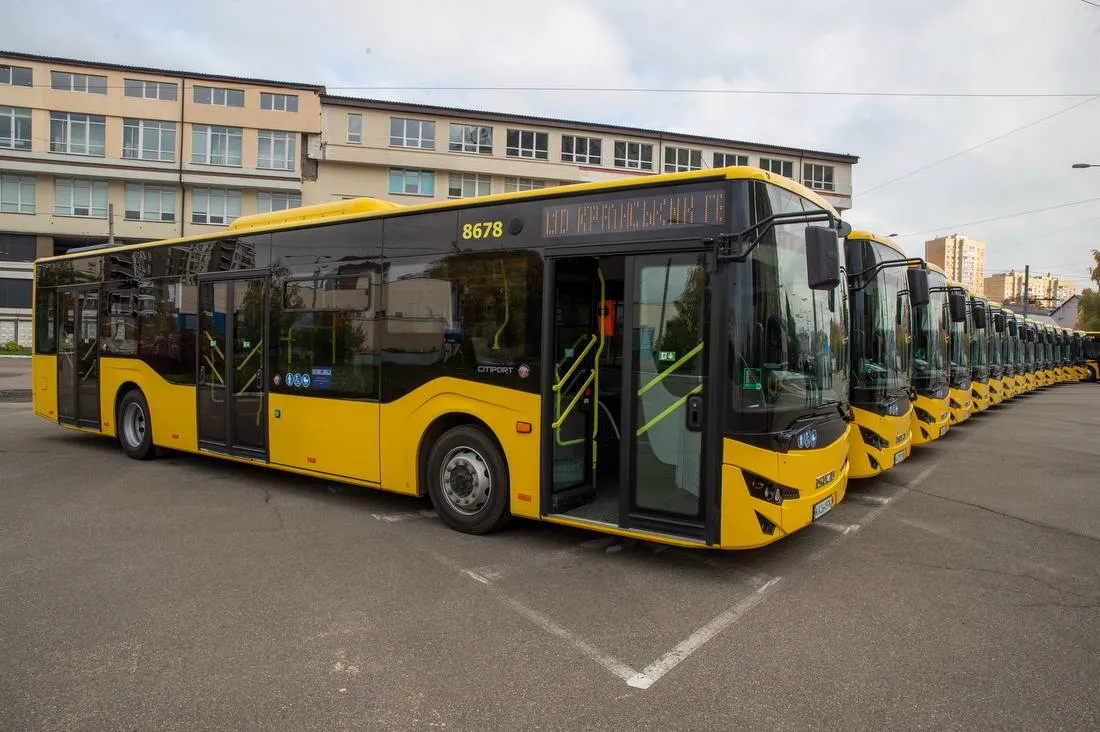
129 bus routes are operating in the capital;
418 buses serve these routes;
685 drivers are employed by the municipal transit system;
114 routes are operated by private carriers using 680 minibuses.
In his defense, Klitschko stated that there would be no quick solution to the transportation problem because the capital lacks both personnel and funding. He argued that the problem lies not so much in the lack of buses as in the shortage of drivers.
“Kyiv has enough buses to add. It’s the drivers we’re missing! Maybe the police could round them up, just like they do with electricians?” Klitschko wrote, alluding to the president’s statements.
According to the mayor, the municipal enterprise “Kyivpastrans” could put an additional 25 buses into service. But this would require at least 50 Category D drivers, who still need to complete their training. Hiring such people is problematic because “Kyivpastrans” cannot reserve them due to established restrictions.
The mayor explained the scale of the transportation need by citing the possibility of a complete metro shutdown. He estimates that transporting the same number of passengers currently served by the metro would require more than 1,000 buses.
The mayor also noted that for 11 years, the government has failed to reimburse Kyiv for the costs of providing free transportation to “eligible passengers,” and this debt now exceeds 8 billion hryvnias.
“Perhaps, before the government finds money for a new idea, it should first repay Kyiv the 11-year-old subsidy owed for free transportation of passengers eligible for benefits?” the mayor said.
The
Cost of “Free” Transit
Introducing free rides on all municipal buses, trolleybuses, and trams in the capital will cost about 180 million hryvnias per month. That was the amount of revenue “Kyivpastrans” generated from passenger transportation in October.
Former Deputy Minister of Infrastructure Viktor Dovgan estimated that the total budgetary costs would amount to approximately 2.2 billion hryvnias per year.
He criticized the president’s initiative, emphasizing that these funds would be better spent on restoring energy infrastructure, developing distributed generation, and protecting Kyiv’s bridges.
Transportation experts also view the experience in Kharkiv with skepticism, where free public transit was introduced in May 2022. Although Mayor Ihor Terekhov has repeatedly stated that the program is funded exclusively from the city budget, the city is simply accumulating billions in debt that will have to be repaid sooner or later.
As early as April 2026, Energy Minister Denys Shmyhal raised the issue of Kharkiv’s debts in parliament. According to him, Kharkiv’s municipal utilities have accumulated nearly 31 billion hryvnias in debt to state-owned companies for energy supplies alone. And this chronic debt is growing.
What Experts Say: Can Free Public Transportation Save Kyiv from a Transportation Collapse?
Transportation is the property of the city of Kyiv, managed by the Kyiv City Council and the Executive Committee. If the president proposes initiatives, the first thing he should do is discuss them with the city, emphasizes People’s Deputy Oleksiy Kucherenko.
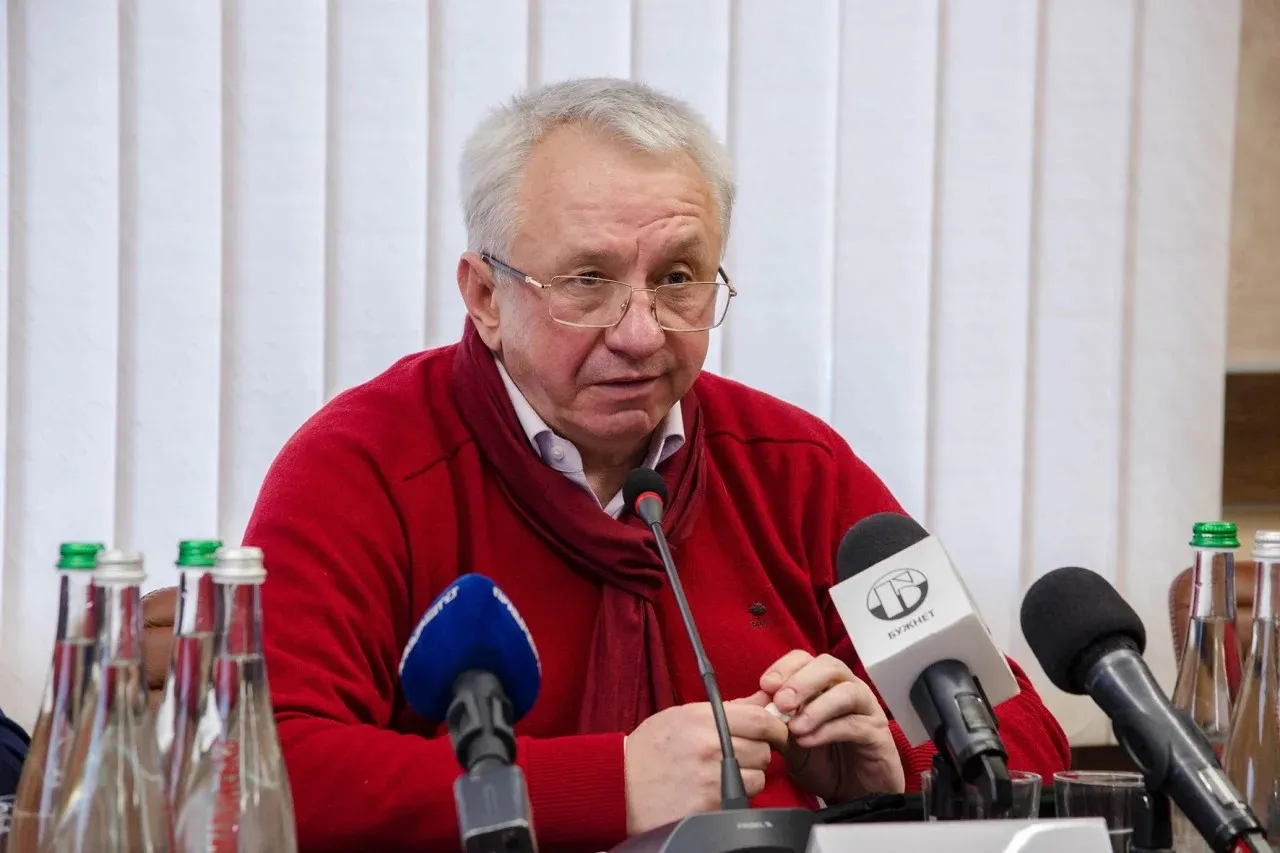
“There’s some kind of anomaly
here. Maybe the president doesn’t like Kilychko; maybe he does. To be honest, I don’t care. But I look at this and see an abnormal situation. You can’t treat Kyiv residents this way—they’re essentially being held hostage. These resolutions and the cynical disregard for basic principles are primarily damaging to the president and his approval ratings. This raises doubts about the government’s ability to make any decisions at all,” Kucherenko says indignantly.
He emphasizes that the cost of “free” public transit runs into the billions of hryvnias, and Kyiv’s transit system is already subsidized. At the same time, the authorities are avoiding the issue of an audit.
“An audit should have been conducted long ago, involving a non-governmental agency to determine the actual cost of a single-ride ticket and other related expenses. In other words, one must prepare before implementing such programs. We need to determine the cash flow from ticket sales, which is the lifeblood of the city’s electric transit system,” Kucherenko points out.
The MP believes that the central government’s transportation planning without economic calculations “is a game of politicking and ratings, rather than a genuine desire to help.” He notes that Kyiv is in a much more complicated situation than other cities in Ukraine, including Kharkiv, where free initiatives are “part of the culture.”
“Of course, it’s possible to gain publicity and make the metro and other forms of transportation free if the city stops paying for electricity. And they really are stopping. All the utility companies are outraged: the local water utility and other agencies aren’t paying for electricity. Kharkiv’s heating networks stopped paying for gas a long time ago. They hold the record for debt. And if they aren’t paying, then who’s paying for them? What do you think? “The rest of Ukraine, including Kyiv,” explains Kucherenko.
According to the MP, such “crude PR” is finally destroying the existing “system of governance—in quotes—that is bringing Ukraine to its knees today.”
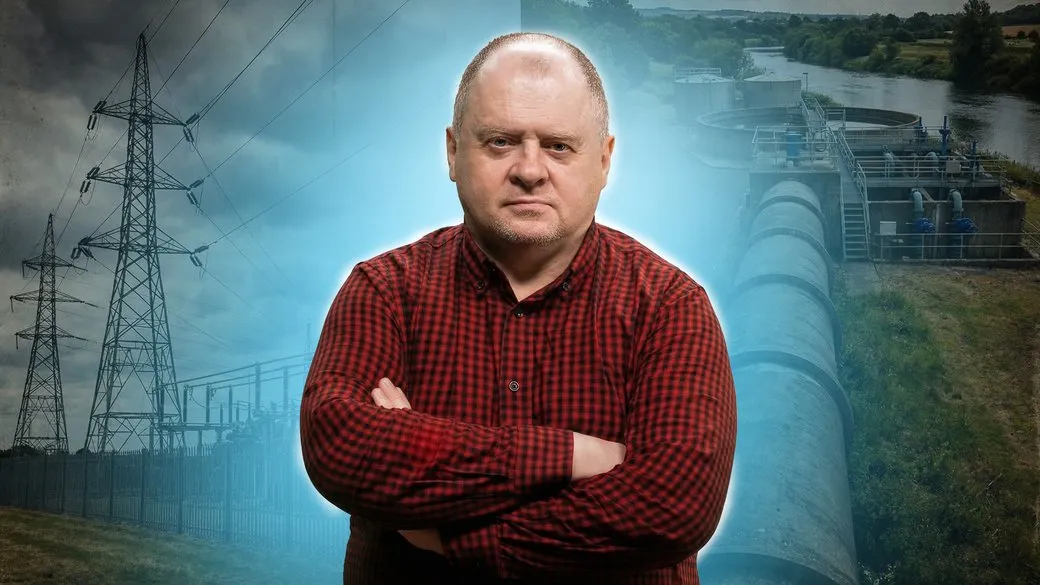
Oleg Popenko,
head of the Union of Utility Consumers, also emphasizes that there is no such thing as “free” transit. Someone pays for it anyway—that’s a given. The expert points out that key questions remain unanswered: who will pay for this initiative, where will the necessary number of vehicles come from, and what will the fare be?
“The fixed fare in Kyiv is 30 UAH. That’s quite a significant amount… Where will the funds for transportation come from? Do they plan to provide transportation without charging, and then look for funds somewhere to shift the costs onto state or municipal companies? I haven’t seen these answers anywhere.
I haven’t seen a single constructive solution regarding public transportation… Unfortunately, we certainly won’t see any constructive cooperation from the authorities in the near future. I don’t see an end to this standoff yet. It is the residents of Kyiv and visitors to the capital who will suffer the most,” says Oleg Popenko.
The expert is also convinced that we need to start with a comprehensive audit of the entire transportation system. This isn’t just about raising the fare to 30 UAH, but also about deeper systemic problems.
“We need to figure out what we consider public transportation: the metro or minibuses? How many people use these modes of transport? What routes are being proposed as alternatives to the metro?
I’ll go even further: the routes proposed by the Kyiv City State Administration for minibuses do not solve the transportation problem. They are designed solely to extract as much money as possible from city residents. So that our minibuses are packed with people, so that they’re profitable. That’s why there are so many issues that it’s simply impossible to solve the problem in the short term.
Perhaps no one even intends to solve these problems. The priority for the local authorities here in Kyiv is business. They aren’t interested in creating a decent public transit system or ensuring fair fares.
Minibuses often operate in areas where, in principle, they shouldn’t be operating. In what civilized country would a “high” driver be behind the wheel of a “beat-up” minibus spewing massive emissions—one that should have been scrapped long ago? Yet they’re driving around Kyiv. And no one pays any attention to it.
So, on the one hand, the president’s initiative is an absolutely far-fetched idea. Nothing is free. Given the massive budget deficit, it’s extremely difficult to even predict what will come of this. If they want to shift this burden onto Kyiv’s budget, does Kyiv even have the money?
If there is money, what’s the point of spending it on additional minibuses and “free rides”? It makes absolutely no sense to do this during a war. On the other hand, Kyiv’s public transportation system is in a state of absolute disarray—and the Kyiv City State Administration shows no desire whatsoever to do anything to improve it even slightly,” asserts Oleg Popenko.
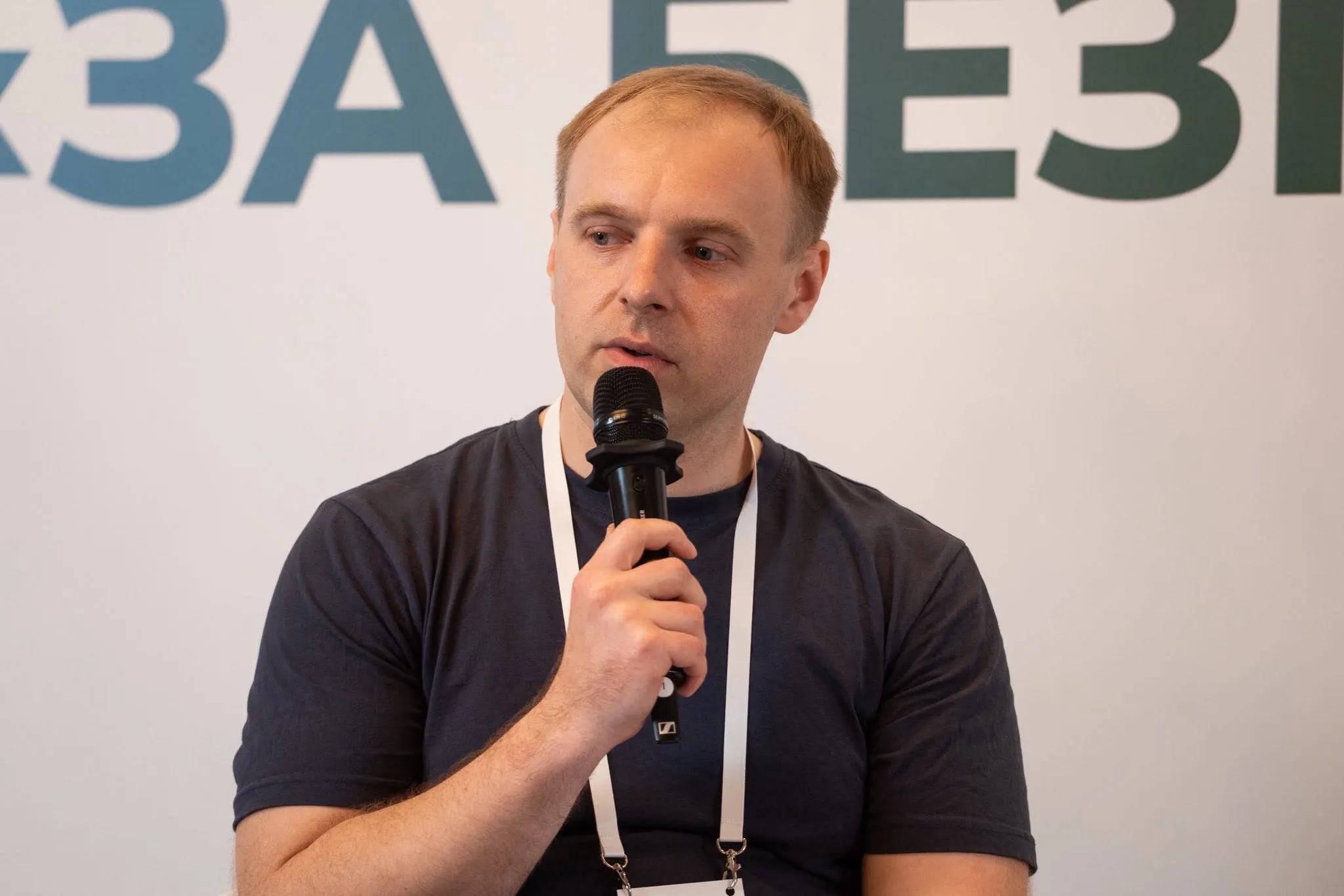
“Public transportation in Kyiv
is in a dire state, and there are no adequate solutions because neither Zelenskyy, nor Koretskyi, nor the ministers, nor Klitschko use it,” states Oleksandr Hrechko, co-founder of the civic organization “Passengers of Kyiv.”
The expert points out that free rides do not mean that hundreds of additional buses will automatically appear on the routes. Instead, passenger traffic may increase, which will put even more strain on the transportation system.
“Last year, Kyivpastrans and the metro each received 1.5 billion hryvnias in revenue from tickets. Another 12 billion hryvnias came from subsidies from the city budget. Who will foot the bill for ‘free’ public transportation, as Zelenskyy proposes?” Grechko asks rhetorically.




