
Air Quality in Kyiv on September 30: Which Areas Have the Highest AQI
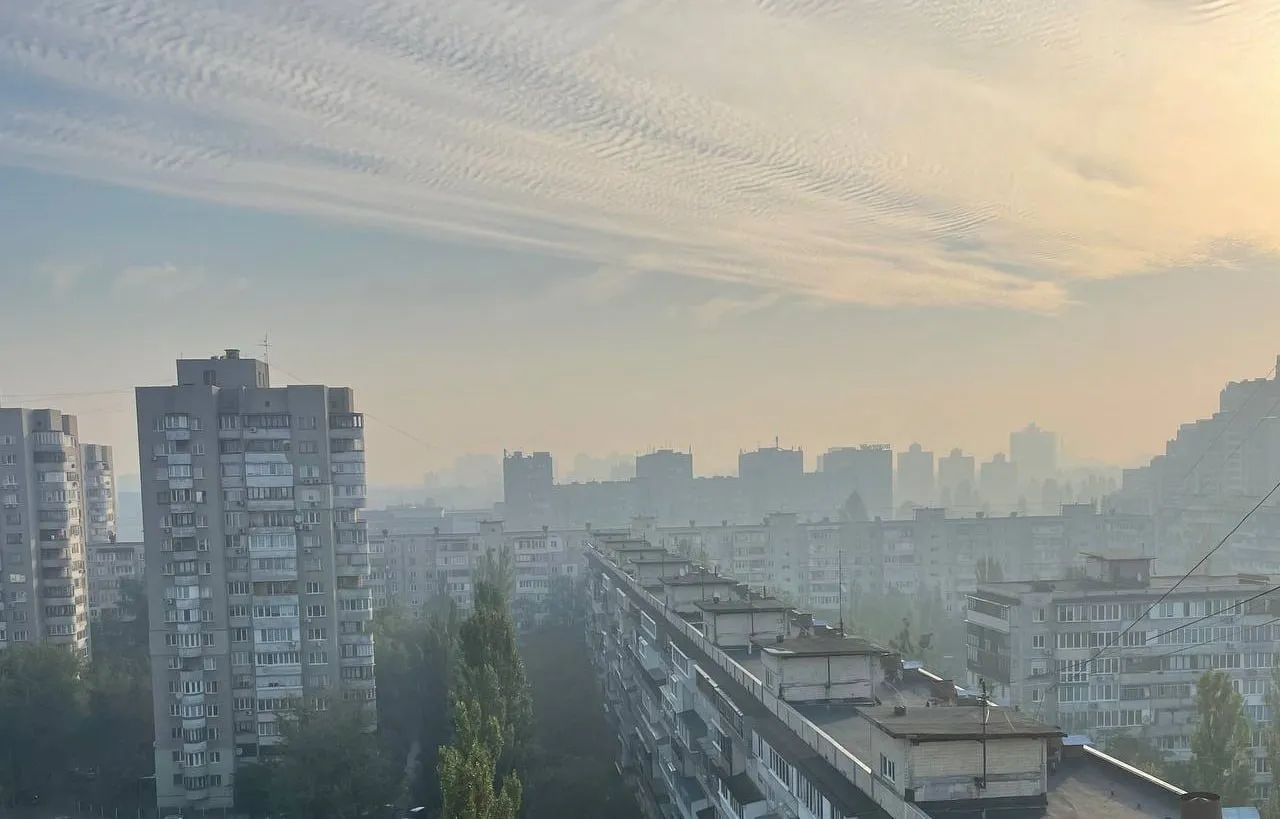
As of the morning of September 30, 2026, air quality in Kyiv is moderate. However, readings vary significantly depending on the neighborhood and the specific monitoring station.
Readings on different monitoring maps may vary slightly. This is because different services use their own networks of stations and data processing methods.
Therefore, to assess the situation, it is important to consider not only the overall index but also the readings for a specific neighborhood or near your current location.
Air quality can change throughout the day, so it’s a good idea to check the latest data before spending a long time outdoors.
The SaveEcoBot interactive map displays air quality levels in Kyiv and specific districts of the capital. The service uses data from a network of online monitoring stations, some of which operate in real time.
As of 8:00 a.m. on September 30, 2026, the overall air quality index in Kyiv was 61 AQI, which corresponds to a moderate level of pollution.
The lowest pollution levels at this time were recorded in the following districts:
- Dniprovskyi – 40 AQI;
- Darnitskyi – 41 AQI;
- Desnianskyi – 41 AQI.
At the same time, the highest levels among the capital’s districts were in:
- Shevchenkivskyi – 95 AQI;
- Solomyanskyi – 93 AQI;
- Svyatoshynskyi – 85 AQI.
At certain specific addresses, the readings were significantly higher. In particular:
- 21 Kudryavska Street – 201 AQI, which corresponds to a very harmful level;
- 10 Mykola Amosov Street – 155 AQI, a harmful level;
- 1/61 Frolivska Street – 154 AQI, a harmful level.
Thus, even within a single district, readings can vary significantly, so it’s best to refer to the nearest monitoring station.
The LUN Misto AIR service measures the concentration of fine particulate matter (PM1, PM2.5, and PM10), as well as temperature and humidity.
Data from the stations is displayed on an interactive map in AQI format. The general principle is simple: the higher the AQI value, the higher the level of air pollution.
In turn, Aqicn displays the air quality index in real time and allows users to view readings from individual monitoring stations. The service uses a scale ranging from “good” to “hazardous” pollution levels.
Readings from different services may not match, so when assessing the situation, it’s important to consider the overall trends and data from several nearby stations.
If air quality readings have risen significantly, you should limit your time outdoors and stay indoors if possible.
It’s best to keep windows and doors closed and wait to ventilate the space until the situation improves.
It is also recommended to avoid physical activity outdoors, as people inhale a greater volume of air during physical activity.
Indoors, you should minimize the entry of polluted air from outside. If you have an air purifier, you can use it according to the manufacturer’s instructions.
People with respiratory and cardiovascular conditions, children, and the elderly should be especially cautious. If you feel unwell, check the current air quality readings and limit your time outdoors accordingly.
You can monitor the situation in the capital in real time using the SaveEcoBot, LUN Misto AIR, and Aqicn services.
As a reminder, on September 29, air quality in Kyiv varied by district and changed throughout the day. Current AQI readings and pollution levels can be tracked using data from online monitoring stations.




