
Kyivteploenergo Denies Cutting Down Trees in Teremky
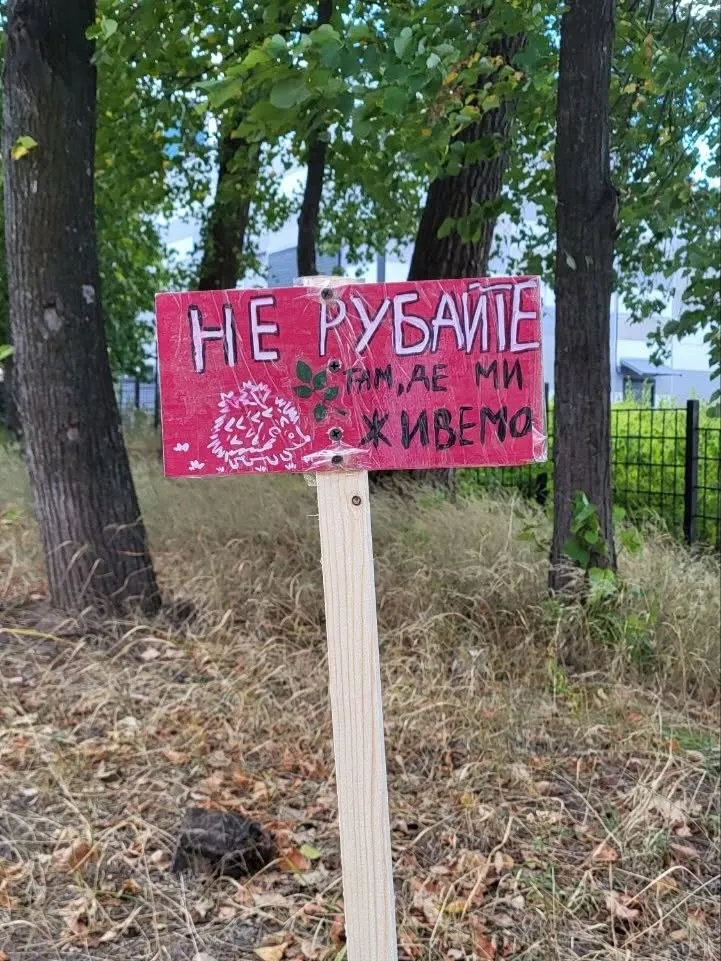
The municipal enterprise “Kyivteploenergo” reported that no trees were cut down in the capital’s Teremky neighborhood to lay a heating pipeline. On September 21, construction and installation work is continuing at the site to lay a backup heating pipeline for the Teremky-1 and Teremky-2 residential areas.
The company noted that on September 21, residents of Teremky visited the construction site. They demanded that work continue and that the supply of heat to residential buildings be guaranteed for the winter.
According to “Kyivteploenergo,” the heating network is being built according to an optimized version of the project. This plan calls for preserving approximately 160 trees. About 10 trees will be removed, while the rest will be pruned.
Currently, earthwork is underway at the site: excavators are digging a trench to lay the heating network. A fence is also being installed around the construction site.
As previously reported, following discussions with community representatives, scientists, and independent experts, a list of changes to the project implementation plan was drawn up. The proposed changes do not conflict with current legal, construction, technical, or technological standards.
This information is posted on the Kyiv City State Administration’s website.
As a reminder, starting at 5:30 a.m. on September 21, police buses arrived at the site where the heating pipeline is being laid in Teremky; they are blocking any public access to the area where trees are being cut down.
By noon, reports emerged that municipal security personnel had begun forcibly removing protesters from the area where a backup heating pipeline is to be laid in the event of an emergency shutdown of CHPP-5.
The conflict in Kyiv’s Teremky neighborhood has been ongoing for several months and centers on plans to cut down more than 660 trees. Local residents claim that city authorities have not provided them with documents regarding the planned work, and the situation has already attracted attention at the national level.




