
Russians attacked Teva, WHO, and Biocon warehouses near Kyiv
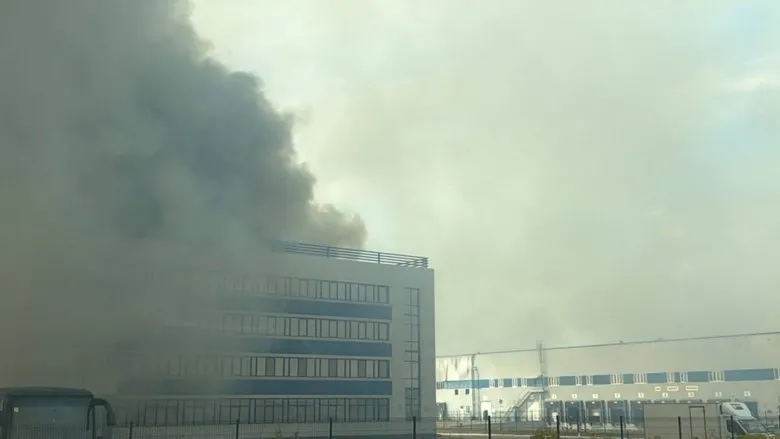
In a single day, Russian troops attacked three warehouses linked to the supply of medicines and medical supplies to Ukraine. The targets included the “Biokon” warehouse in the Boryspil district, a warehouse belonging to the pharmaceutical company Teva, and a humanitarian warehouse operated by the World Health Organization. The Biokon complex suffered the most damage—it was completely destroyed, and preliminary estimates put the losses at billions of hryvnias.
The Russians continue to target facilities that support the Ukrainian healthcare system. This time, three warehouses storing medicines and medical supplies were struck by Russian attacks in a single day. This was reported by Mykhailo Radutsky, a member of parliament and chairman of the parliamentary Committee on National Health.
According to him, the facilities in question are a warehouse belonging to the pharmaceutical company “Biokon,” a Teva Ukraine warehouse, and a World Health Organization warehouse. Thus, various links in the supply chain were targeted—ranging from commercial stockpiles held by pharmaceutical companies to humanitarian medical aid.
The “Biokon” warehouse was completely destroyed
The “Biokon” warehouse in the Boryspil district of Kyiv Oblast suffered the greatest losses. The Russian attack completely destroyed the large pharmaceutical logistics complex, which covered an area of approximately 30,000 square meters.
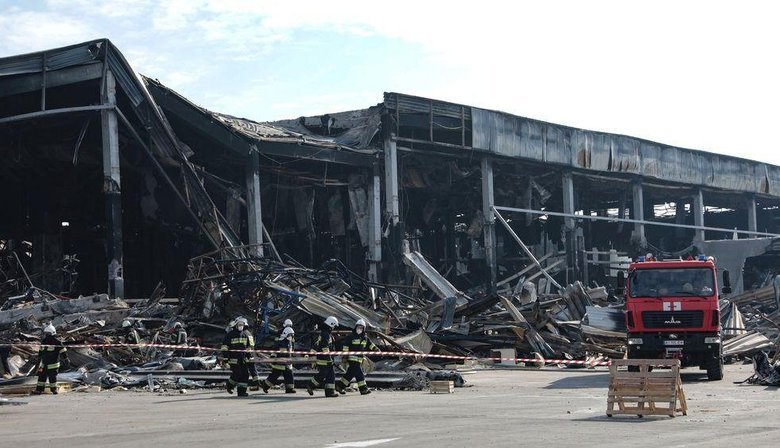
It was one of the major facilities through which pharmaceutical products were stored and distributed in Ukraine. Preliminary estimates put the losses from the destruction of the complex at billions of hryvnias. The final amount can only be determined after the assessment of the attack’s consequences is complete. The destruction of such a warehouse means more than just the loss of the building itself. It also affects product inventories, logistics, and the operation of the entire supply chain associated with this facility.
Teva’s Warehouse Was Hit
Another target of the attack was the Teva Ukraine warehouse—the Ukrainian division of a major international pharmaceutical company. Teva manufactures and supplies a wide range of medications. Therefore, damage to its warehouse infrastructure may also affect the logistics and supply of certain medications.
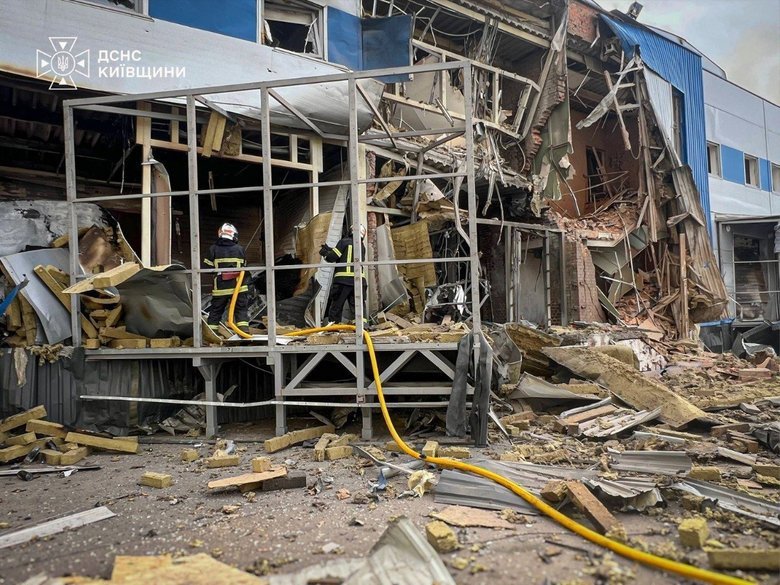
At the same time, there is currently no reason to suggest that this attack has caused a general shortage of medicines in Ukraine. Radutsky himself emphasized that it is too early to draw such conclusions.
Russia Damaged a WHO Warehouse
The third target was a World Health Organization warehouse. It stored humanitarian medical supplies intended for Ukraine. Such supplies are used to assist medical facilities and patients, particularly during wartime.
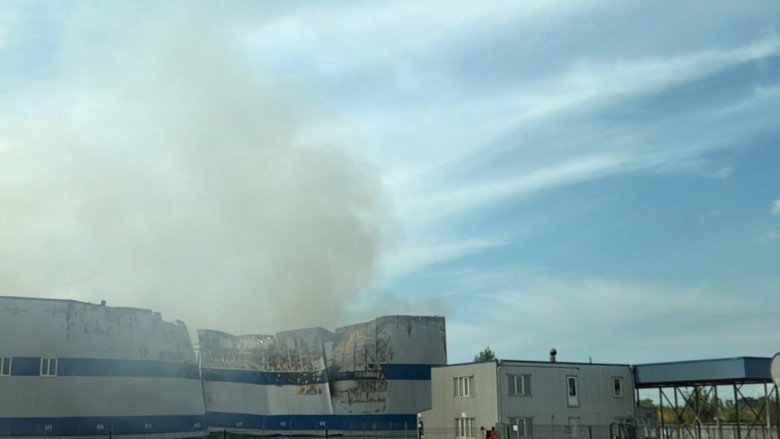
The damage to this warehouse means the loss of part of the humanitarian reserves that were to be used to meet the needs of the Ukrainian healthcare system. According to Radutsky, the Russian attack thus simultaneously affected both commercial and humanitarian supplies of medical products. “In fact, in a single day, the Russians struck various links in the supply chain: from large commercial stockpiles of medicines to humanitarian medical reserves,” Radutsky noted.
Could Medicines Disappear from Pharmacies?
Damage to large warehouses inevitably raises questions about the future supply of medicines. However, it is too early to speak of a general shortage of medicines in Ukraine at this time. To do so, it is necessary to assess exactly which drugs were destroyed or damaged, how much remains in other warehouses, and how quickly companies will be able to resume supplies.
The pharmaceutical market has multiple supply channels, so the loss of a single logistics complex does not automatically mean that all medications will disappear from the market. At the same time, certain medications may become temporarily less available if they were stored in the destroyed or damaged warehouses. The severity of these consequences will become clear after a detailed assessment of the losses.
The attack affected various parts of the healthcare system
What sets this attack apart is that Russian forces struck several different facilities simultaneously. “Biocon” was responsible for a large volume of pharmaceutical logistics. The Teva warehouse was part of the supply chain for an international pharmaceutical company. And the WHO warehouse contained humanitarian medical supplies.
In other words, the consequences of the attack may affect more than just one company. Damage to several warehouses in a single day places an additional strain on logistics and forces companies and humanitarian organizations to find ways to quickly restore supplies. Radutsky described such strikes as an attack on the ability to provide Ukrainian patients with necessary treatment.
At the same time, the specific consequences for pharmacies, hospitals, and patients have yet to be assessed. It is currently known that the largest of the three facilities—the “Biokon” warehouse—has been completely destroyed. The Teva warehouse and the WHO humanitarian warehouse were also damaged. Despite the scale of the destruction, it is still too early to speak of a general shortage of medicines in Ukraine. The situation going forward will depend on exactly which supplies were lost, what reserves remain, and how quickly pharmaceutical companies and humanitarian organizations can reorganize their logistics. The enemy continues to deliberately target facilities within the healthcare system. This time, three buildings involved in supplying Ukraine with medicines and medical supplies were struck in a single day. This was reported by Mykhailo Radutskyi, a member of parliament and chairman of the Committee on Public Health.
On September 4, a Russian drone struck the central building of the Security Service of Ukraine on Volodymyrska Street in Kyiv, across from St. Sophia Cathedral.
On September 4, a Russian drone struck a building of the Security Service of Ukraine near the “Zoloti Vorota” metro station in central Kyiv. A fire broke out at the site.
In the Khmelnytskyi region, debris from a downed Russian strike drone caused a fire in the warehouse of one of the local enterprises. The fire covered an area of 200 square meters, according to Serhiy Tyurin, head of the regional military administration.


