
In Nepal, art preserves the memory of the Generation Z movement
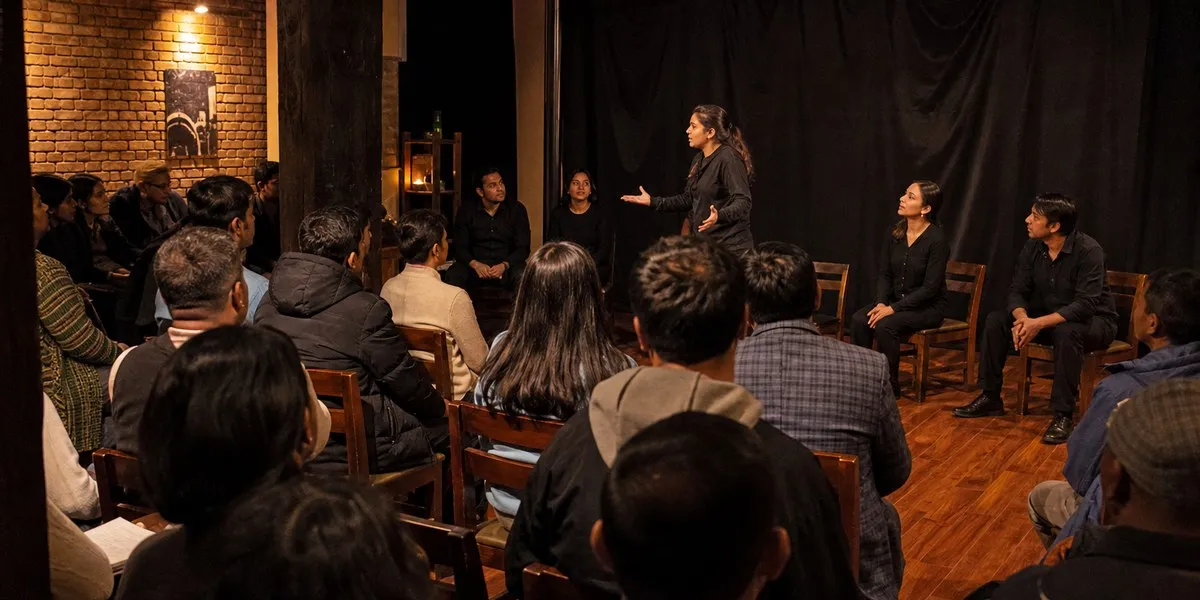
In Kathmandu, Nepal, a year after the events of September 8, 2025, music, theatre, photography and visual art continue to reflect on the Generation Z movement. As the Kathmandu Post reports, this movement changed the country's political landscape, while artworks became a way to document the events, process loss and preserve their memory.
Songs about loss and silence
On September 6, 2026, singer Swoopna Suman presented the song “Yaad Haru Ma,” dedicated to people who died during the movement. The song is voiced by a person who has died: the lyrical protagonist reassures loved ones, asks for forgiveness and urges them not to grieve endlessly.
The following day, Nitesh Jung Kunwar released the song “Speechless.” It is about complete silence after what has been experienced, when even the word “homeland” cannot convey the weight of the events. The publication notes that the two songs speak differently about loss: one offers comfort, while the other conveys a sense of abandonment.
More current news is available on the UA.News Telegram channel Telegram.
Theatre and exhibition
On September 8, Katha Ghera, in cooperation with Freedom Studio, staged the playback theatre performance “Remembering September 8.” The production’s director, Akanchha Karki, described theatre as a means that generates empathy and linked the intimate format of the performance to collective healing and catharsis.
On the same day, the project “के” (K?) in cooperation with Kaalo.101, Nepal Point, Photo Circle and other participants opened an exhibition in Lalitpur. It will run until September 8, 2027, and visitors can contribute their own works, stories or thoughts.
On September 9, a group of young Generation Z representatives staged a performance in the old parliament building in New Baneshwar. It recreated the history of the movement—from protest to the elections, following which Balendra Shah was elected prime minister.


