
IPPR urges Britain and the EU to strengthen energy cooperation to compete with China
The United Kingdom and the European Union should coordinate energy and industrial policy to reduce the dependence of green supply chains on China. This recommendation was put forward by the Institute for Public Policy Research (IPPR), a think tank with close ties to the ruling Labour Party, Politico Europe reports.
Energy cooperation
In a new report, the IPPR proposes deepening cooperation between London and Brussels in the energy sector. According to the authors, this could help address high energy prices and reduce vulnerability to geopolitical instability.
The think tank recommends that the administration of Prime Minister Andy Burnham complete the energy component of the planned reset of relations with the EU initiated by Keir Starmer. The proposals include linking the British and European emissions trading systems, as well as reintegrating the United Kingdom into Europe’s single energy market.
According to the IPPR’s assessment, such steps could support investment in the North Sea, contribute to price stability and protect companies on both sides of the English Channel from the introduction of carbon border taxes.
More current news is available on the UA.News Telegram channel Telegram.
The North Sea and batteries
The report also advises the United Kingdom to once again become a full member of the North Seas Energy Cooperation Group (NSEC). After Brexit, the country participates in the work of this body only partially, under a memorandum of understanding.
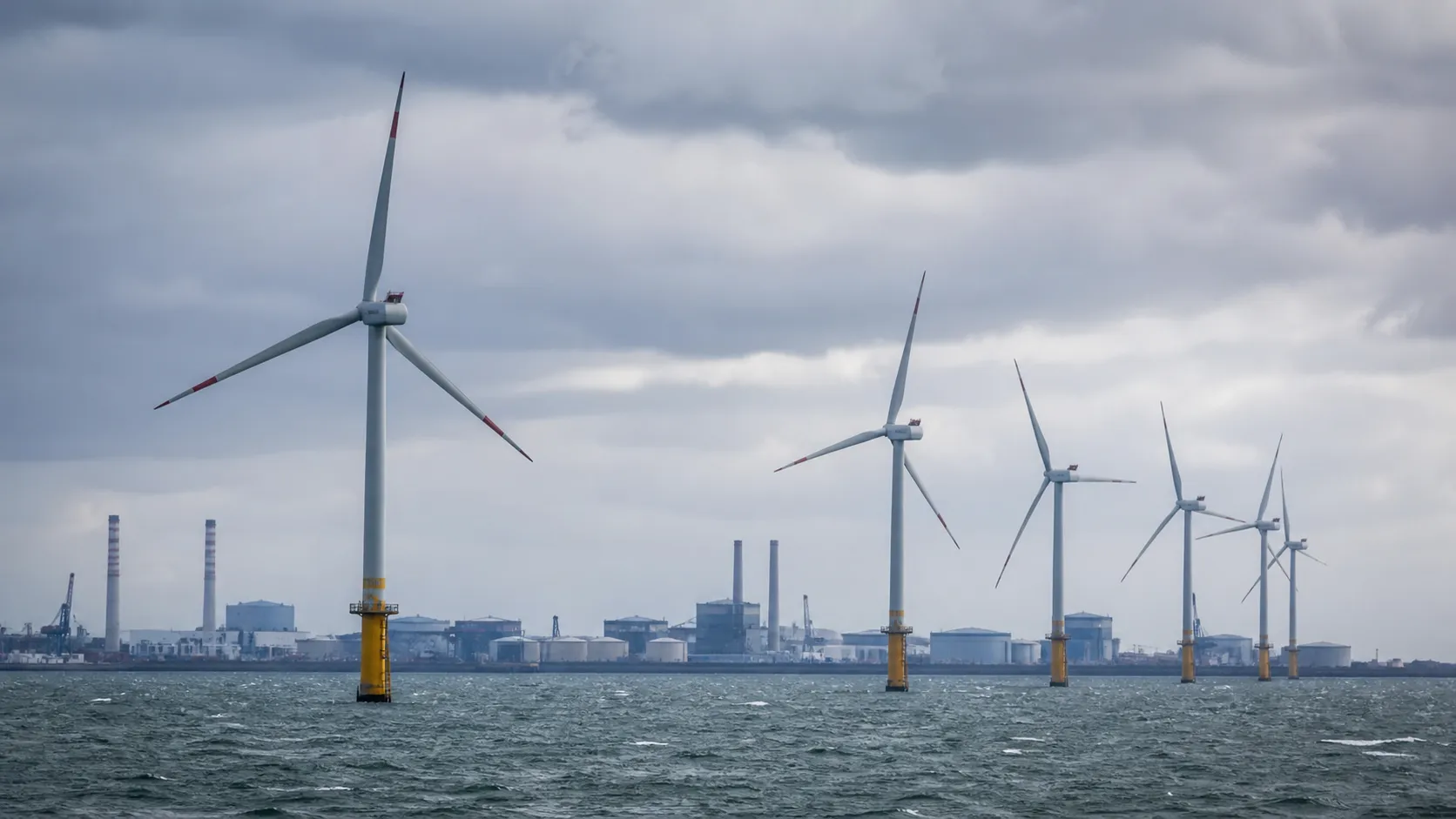
The report’s authors believe that full membership would facilitate the coordination of investments in carbon capture and storage technologies, energy interconnectors and offshore wind farms. It could also simplify the technical planning of electricity grid development.
The IPPR separately proposes extending once again the grace period for rules of origin for electric vehicle batteries. In the long term, the think tank recommends relocating as much battery production and other links in electric vehicle supply chains as possible from China to Europe. The report’s authors, Tazu Walden and Marley Morris, warned that such cooperation would require coordinated industrial policy and could become more difficult during geopolitical crises.


