
McKinsey: Asia needs up to $1 trillion a year for energy — OilPrice
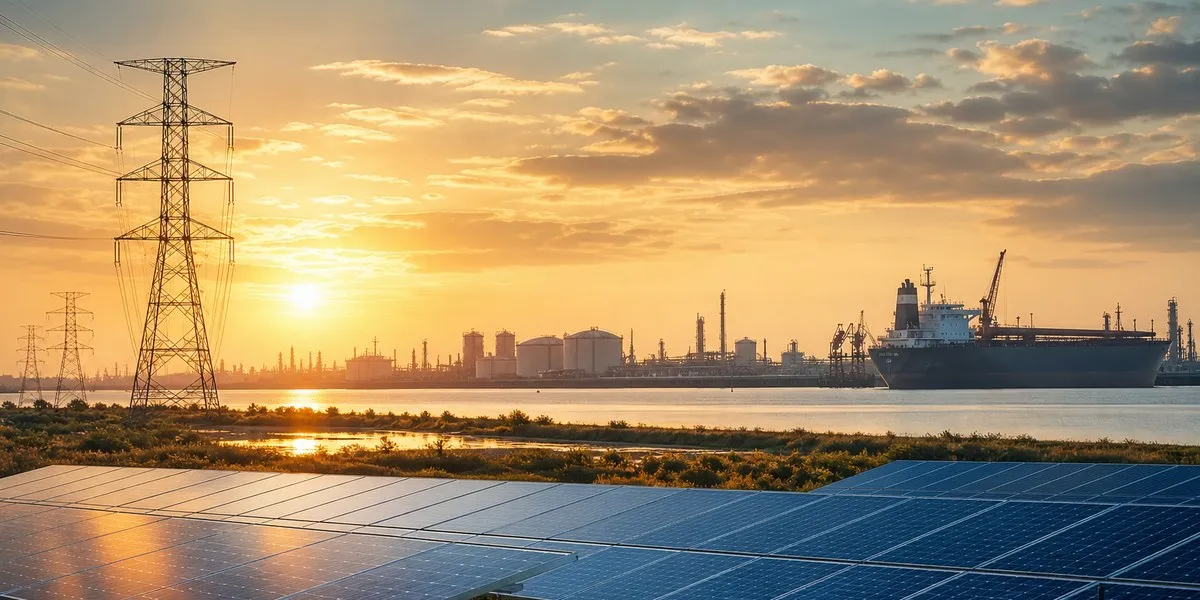
Asia will need up to $1 trillion in energy investment annually over the next 15 years to meet growing demand and reduce vulnerability to supply disruptions. This estimate is contained in a McKinsey report, as OilPrice reports.
The total required investment by 2040 could reach $15 trillion. McKinsey links the need for investment, in particular, to the risks of disruptions in oil and gas transportation through the Strait of Hormuz.
Demand revised upward
McKinsey forecasts that energy demand in Asia will reach 370 million terajoules by 2040. This is 15% higher than the forecast the company gave a year earlier. The region is expected to account for about 70% of the net increase in global energy demand by 2040.
Factors behind the growth include the development of data centers, industrial expansion, and higher demand for cooling. At the same time, coal consumption in Asia is expected to remain generally stable over the next decade, according to McKinsey: a decline in China is to be offset by growth in India and Southeast Asian countries.
More current news is available on the UA.News Telegram channel Telegram.
Growth in natural gas demand may slow over the next five to ten years, according to the company’s forecast, as countries favor coal and renewable sources for electricity generation. At the same time, industrial demand may support a long-term recovery in gas consumption.
Renewable energy and domestic production
Investment in solar and wind energy in Asia could amount to about $300 billion annually by 2040, primarily in India and Southeast Asia. However, the implementation of such projects is complicated by a lack of infrastructure and political support.
According to Bain and Standard Chartered, between 50% and 60% of renewable energy projects in Vietnam, Thailand, and Indonesia were canceled or suspended in 2021–2025. McKinsey also sees opportunities to support more expensive domestic oil and gas production in China, the Philippines, Thailand, Vietnam, and Turkmenistan. Biofuels, according to the company’s estimate, could reduce the need for fuel imports by $90 billion to $100 billion by 2040.




