
IEA warns of energy risks due to disruptions in the Strait of Hormuz — Anadolu Agency
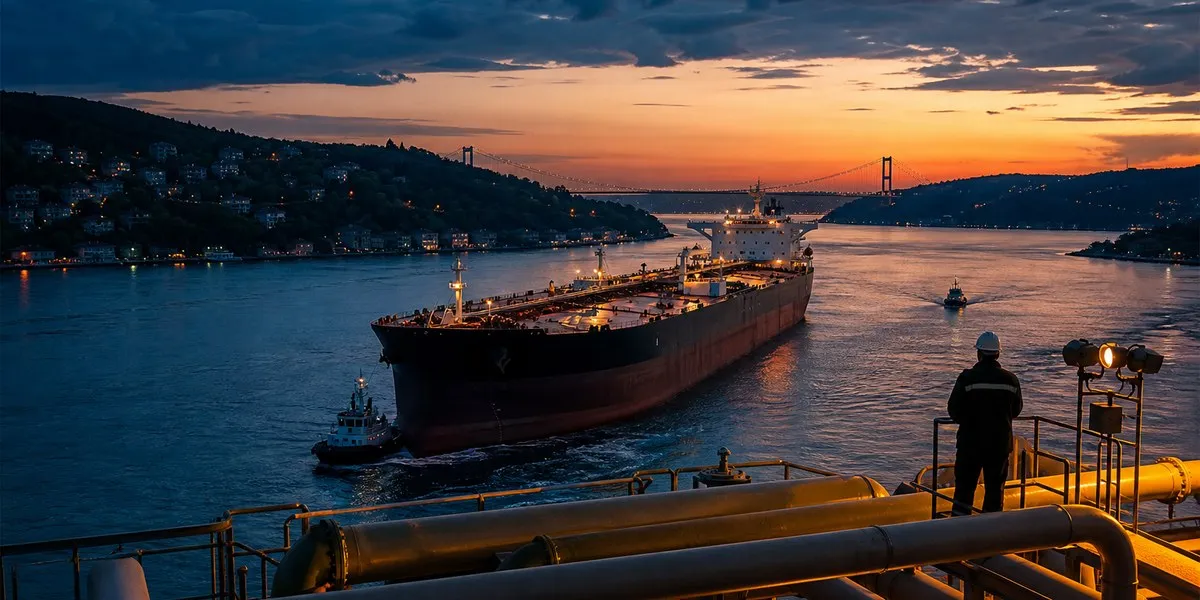
The International Energy Agency said that disruptions to shipping through the Strait of Hormuz have increased energy security risks for countries in the Middle East and North Africa. The energy crisis caused by the war in the Middle East has exposed the region’s vulnerabilities, Anadolu Agency reports.
The Strait of Hormuz is one of the key routes for oil and gas supplies. According to the IEA, the crisis has affected energy exporters and importers differently: the former are trying to maintain supplies amid high international prices, while the latter are facing a sharp increase in costs.
Risks for exporters
Saudi Arabia and the United Arab Emirates have preserved most of their supplies thanks to pipelines that bypass the strait. At the same time, Bahrain, Iraq, Kuwait and Qatar are more vulnerable to disruptions, according to the agency.
More current news is available on the UA.News Telegram channel Telegram.
Reduced oil exports and lower associated gas production in Iraq have increased pressure on the electricity sector. The country has also faced fuel shortages due to disrupted imports and limited domestic production.
Rising import costs
Energy-importing countries are experiencing a sharp increase in costs. The combined monthly spending of Egypt, Morocco, Tunisia and Lebanon on crude oil, petroleum products and natural gas amounted to $4.6 billion in March, the first full month of the conflict, and reached $4.8 billion in June.
In Lebanon, more expensive fuel is increasing the burden on households that depend on private generators. In the Gaza Strip, the electricity system has largely ceased operating. The IEA also pointed to the importance of diversifying energy sources, strengthening regional energy links and developing distributed renewable generation, including rooftop solar installations and mini-grids.




