
Timor-Leste president says Greater Sunrise agreements will be signed — ABC News Australia
Timor-Leste President José Ramos-Horta said that the first agreements for the implementation of the long-running Greater Sunrise gas project are planned to be signed at the beginning of next year. According to him, Prime Minister Xanana Gusmão expects the finalization of three main documents in the coming months.
As ABC News reports, the documents are to define the regulatory and fiscal conditions for the exploration and development of Greater Sunrise resources involving Australia, Timor-Leste and Woodside Energy. The Timor-Leste government previously reported that the parties had reached a technical agreement in Canberra on the Petroleum Mining Code, a production-sharing contract and the fiscal regime.
Plans for gas processing
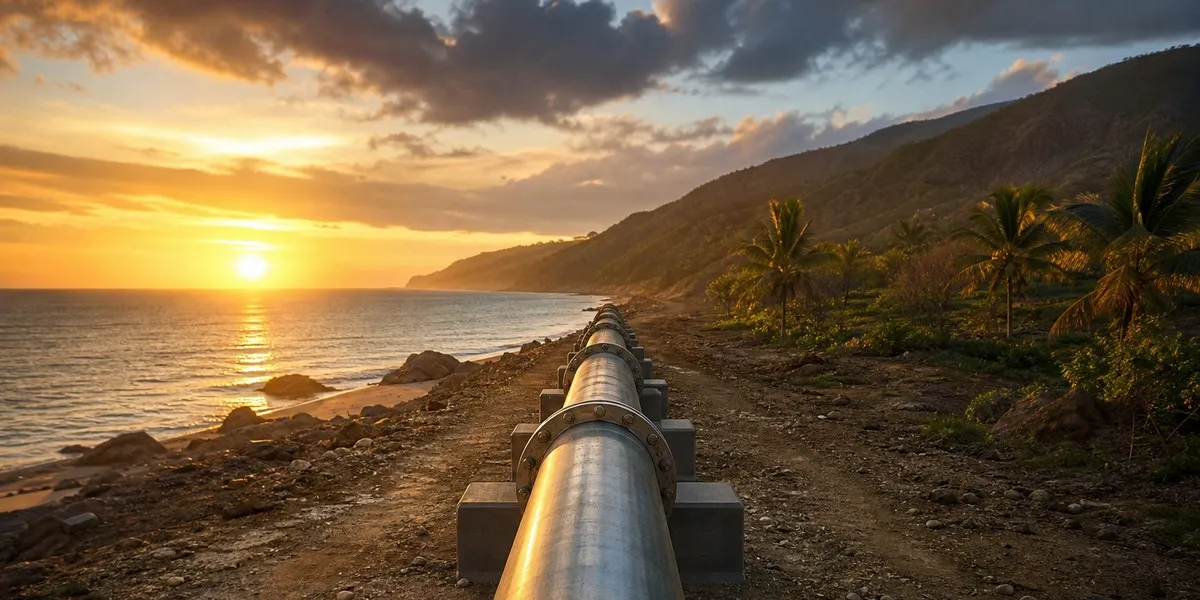
The Timor-Leste government seeks to lay a pipeline from the Greater Sunrise fields to the country’s southern coast. There, the authorities expect to build a multibillion-dollar liquefied natural gas plant and a gas facility for domestic needs. The country believes the project will create jobs and stimulate the economy.
More current news is available on the UA.News Telegram channel Telegram.
At the same time, skepticism remains in the industry regarding the commercial viability of this plan. Analysts, government officials and industry representatives warn that signing the regulatory documents does not yet guarantee a commercial agreement between Timor-Leste and Woodside on the final development plan.
Launch timeline and financial pressure
Woodside owns one-third of the Greater Sunrise project. The company and the Timor-Leste government had previously suggested that the first LNG cargo could be produced in 2032–2035, provided that a concept is selected and investment decisions are made. Last month, Timor-Leste’s petroleum minister named a later target of 2034–2035 and said he hoped for a final investment decision by 2029.
The issue is of particular importance to Timor-Leste, which depends on funds from its Petroleum Fund. The Bayu-Undan gas field, which had provided revenue to the fund for two decades, permanently ceased production last year. According to the IMF, the fund, with assets of about $26 billion, could be depleted by 2038 if the country continues to finance budget deficits without new revenue.




