
Three oil pipeline stations damaged in Saudi Arabia — OilPrice
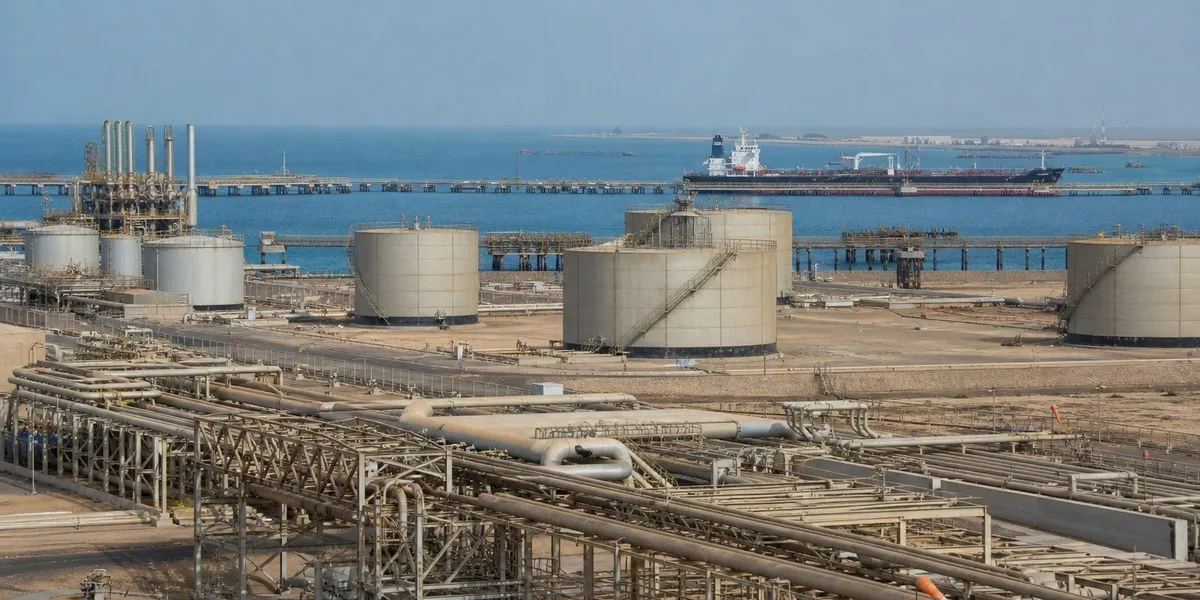
In Saudi Arabia, three pumping stations of the East-West pipeline may have been damaged as a result of attacks on September 10, allowing oil exports to bypass the Strait of Hormuz. OilPrice reports, citing Reuters, which quotes satellite images and industry sources.
According to Reuters, repairs could take five to six weeks, although partial restoration of pumping may be possible earlier. Earlier, damage to two pumping stations was reported. Satellite images published by MizarVision showed significant fire marks and structural damage near stations along the route.
System capacity
Before the attacks, the pipeline transported between 4 million and 5 million barrels of oil per day, equivalent to approximately 4–5% of global supplies. The system's total capacity is about 7 million barrels per day, including approximately 2 million barrels per day supplied to refineries.
Saudi Aramco aims to restore approximately half of the route's capacity within several days, potentially bypassing the damaged infrastructure, Bloomberg reported. Full restoration of the system's operations could take about six weeks, according to these data.
More current news is available on the UA.News Telegram channel Telegram.
Stocks and prices
Oil inventories in Yanbu on the Red Sea coast fell by nearly 6 million barrels over two months — from approximately 21 million barrels in July to less than 15 million barrels, according to Kpler estimates. Kpler analysts noted that at pumping of 3.5 million barrels per day, this volume corresponds to slightly more than four days of theoretical supplies.
After the pipeline shutdown, Saudi Arabia sold up to 20 million barrels of oil on the spot market for loading this and next month, Bloomberg wrote. Buyers are expected to receive the crude through ship-to-ship transfers outside the Strait of Hormuz.
Amid the route shutdown, Brent rose to approximately $108 per barrel at the beginning of the week. Saxo Bank commodity strategist Ole Hansen believes that Brent near $110 indicates market tightness, while Dated Brent above $130 and diesel fuel above $200 are clearer indicators of a shortage of physical supplies.




