
USDA changes funding rules for farmers’ energy projects — OilPrice
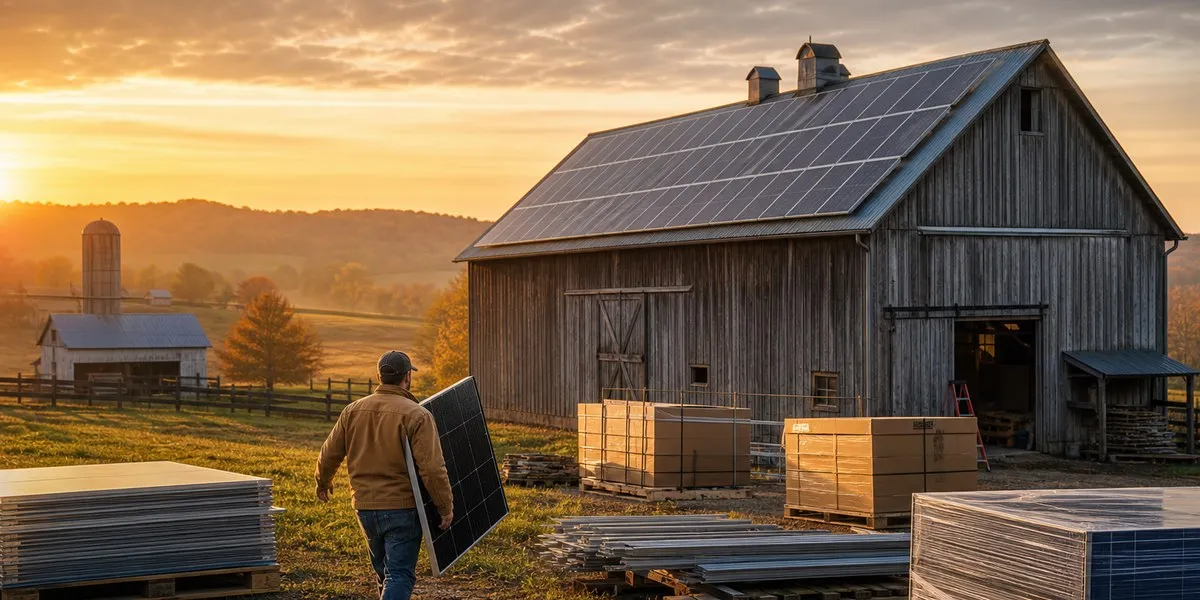
In the United States, the Department of Agriculture has changed the rules of the Rural Energy for America Program (REAP): farmers must now fully build and put an energy project into operation before applying for funding. As OilPrice reports, the new rules were published at the end of September and are set to take effect on October 16.
REAP supports energy projects in rural areas, including energy-efficiency measures. Under the previous terms, farmers could apply for assistance before construction began, and funding could cover up to 50% of a project’s cost.
New program requirements
Under the new rules, applicants must provide documented data on actual energy production, savings, costs, and system operation. The USDA explained the changes by citing its aim to stop funding unreliable energy sources with taxpayer money, protect agricultural land from large solar arrays, and reduce the use of components imported from foreign states that the administration considers adversaries.
More current news is available on the UA.News Telegram channel Telegram.
In particular, the department intends to reduce incentives for installing solar photovoltaic systems and wind installations on arable land. U.S. Deputy Secretary of Agriculture for Rural Development Glen Smith stated that the program should serve U.S. rural communities rather than foreign supply chains or projects that take productive land out of production.
Lawsuits by farmers and environmental organizations
Environmental organizations and farmers’ associations challenged the changes in court. The Environmental Law & Policy Center and Earthjustice filed a lawsuit against the USDA; the Iowa Farmers Union and other farmers also joined the case. The plaintiffs argue that the new procedure restricts access to solar systems for farmers and small businesses in rural areas that cannot pay for equipment installation upfront without a REAP grant or loan guarantee.
According to the USDA’s Rural Development division, the REAP program directed nearly $4.8 billion to projects across the country in 2012–2025. No REAP funding was provided this year because the department suspended applications while reviewing the rules.




