
WEF calls for assessing energy risks in interconnection — OilPrice
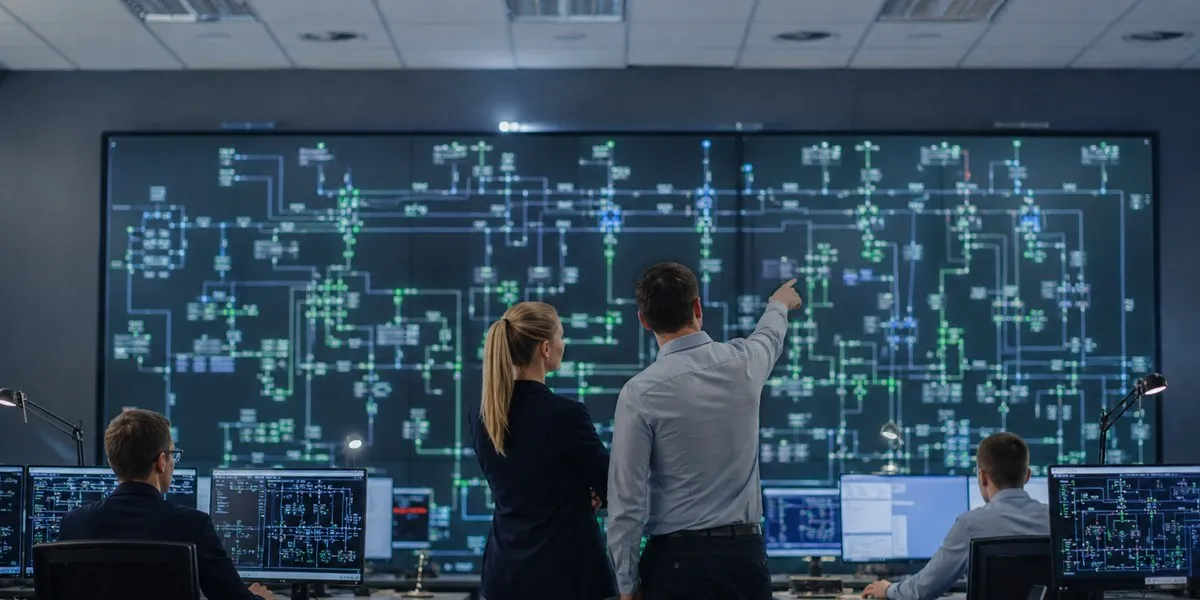
The World Economic Forum believes that cyberattacks, physical sabotage, extreme weather events and geopolitical upheavals should be assessed as interconnected risks to energy systems. This is stated in a WEF analysis cited by OilPrice.
According to the organization, power outages in 2025 and sustained pressure on energy grids this year did not have a single cause. The WEF notes that technical failures, disruptions to control systems or climate shocks can trigger a chain reaction in sectors that were previously managed separately.
Combination of threats to energy systems
According to the OilPrice author’s description, the closure of the Strait of Hormuz caused a crisis in global oil and gas markets and once again exposed Europe’s dependence on oil imports. According to the publication, the situation in Europe was worsened by record summer heat: pressure on power grids increased, while France and Hungary were forced to reduce output at nuclear reactors due to limited cooling capacity.
More current news is available on the UA.News Telegram channel Telegram.
In Asia, the consequences of the strait’s closure were felt most acutely, according to OilPrice. At the same time, many Southeast Asian countries are rapidly expanding solar generation, but the pace of such construction is outstripping the capabilities of power grids. The publication also identifies dependence on components whose supply is largely controlled by China as an additional risk.
WEF’s systemic approach
The WEF believes that strengthening the resilience of energy systems requires a systemic approach that will make it possible to identify threats and respond to them more quickly. The organization identifies three problems: fragmented communication between the energy industry and governments, opaque supply chains, and insufficient legal authority for energy companies to respond promptly to identified risks.
The WEF stressed that over the past decade, energy companies have mostly viewed cyberattacks, sabotage, extreme weather events and geopolitical disruptions as separate areas of work, with different teams, budgets and risk registers. At the same time, in increasingly digitalized and interconnected energy systems, this very separation may become a problem.




