
UK completes first phase of RSO-021 trial against mesothelioma — ScienceDaily
The first phase of a clinical trial of the experimental drug RSO-021 for patients with recurrent mesothelioma—an aggressive cancer most often associated with asbestos exposure—has been completed in the United Kingdom. In a cohort of 15 patients, the drug controlled disease progression in 67% of participants, and tumors shrank in some of them, ScienceDaily reports.
The scientific work, published in the journal Nature Communications, was carried out by an international group of researchers that included representatives of the University of Vermont. The phase one clinical trial, sponsored by RS Oncology, was conducted in 2022–2023 under the supervision of the UK regulator MHRA.
How RSO-021 works
RSO-021 is a clinical form of thiostrepton, a natural antibiotic. The drug blocks peroxiredoxin-3, or PRX3, an antioxidant enzyme that operates in mitochondria. Cancer cells, including mesothelioma cells, produce elevated amounts of reactive oxygen species and use antioxidant enzymes to neutralize their harmful effects.
According to the researchers' approach, blocking PRX3 deprives tumor cells of one of their important defense mechanisms. As a result, hydrogen peroxide can accumulate in mitochondria, and oxidative stress ultimately leads to cell death. In laboratory experiments, removing PRX3 in mesothelioma cell lines impaired mitochondrial function, significantly slowed cell growth, and prevented them from forming tumors in animal studies.
More current news is available on the UA.News Telegram channel Telegram.
Results of the first phase
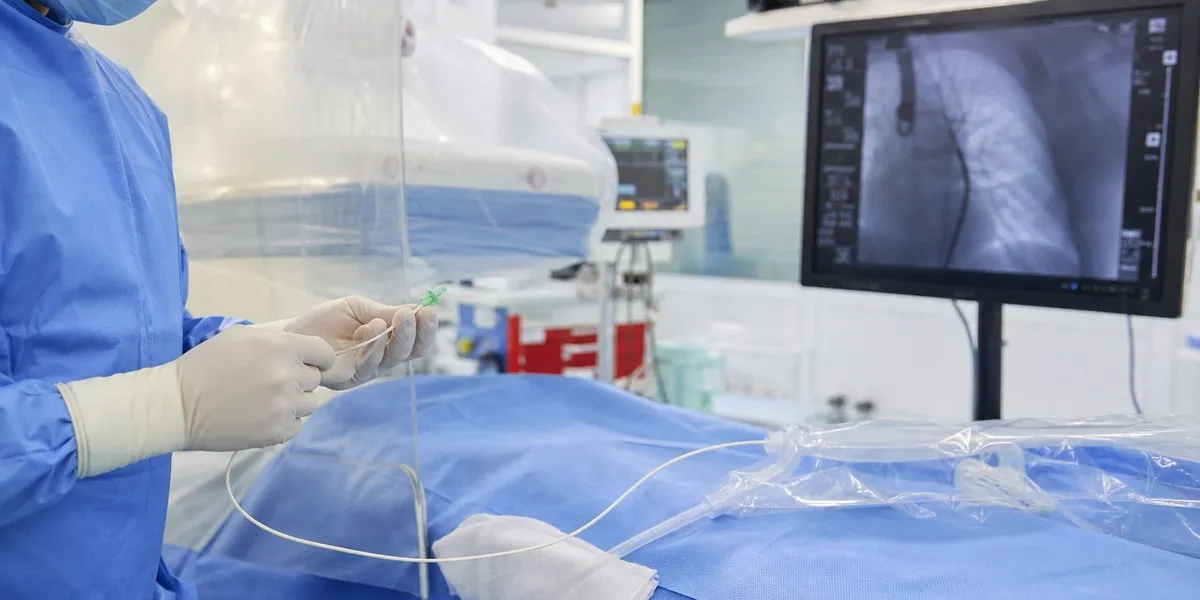
The drug was administered directly into the chest cavity through a catheter that many mesothelioma patients already have because of pleural effusion—the buildup of fluid between the lung and the chest wall. This method of administration makes it possible to concentrate the drug near the tumor and reduce the amount of medicine circulating in other parts of the body.
The study met its safety and tolerability objectives at a dose of 90 mg; no drug-related deaths were recorded. In patients' tissue samples, researchers also found signs that RSO-021 acted on its intended biological target. Median progression-free survival was 4.2 months, which approximately corresponds to existing treatments.
The authors described the overall survival figures in the group of 15 patients as encouraging, noting that they were better than the typical results of available therapies. The second phase of the trial has already been completed, and the team plans to present its results this year at an international oncology conference. Scientists are also developing next-generation PRX3 inhibitors with improved solubility that could potentially be used in tablet form in the future.


