
73% of medics reported more heat-related complications — News-Medical
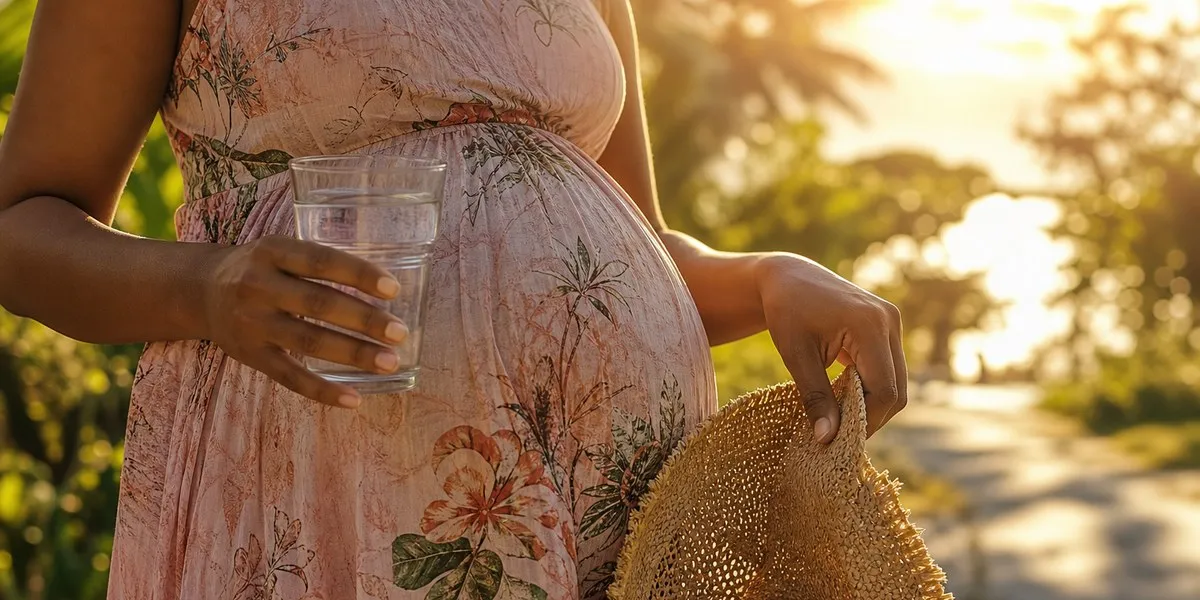
A survey of 1,000 healthcare workers in Brazil, India, Zimbabwe, Australia and the United Kingdom showed growing risks associated with extreme heat for pregnant women and infants. As News-Medical reports, the results of the survey, commissioned by the medical research foundation Wellcome, were presented on 5 October at a COP pre-summit meeting in Fiji.
Complications during pregnancy
Seventy-three percent of surveyed maternal health specialists said they had seen more heat-related complications over the past five years. More than three-quarters of respondents also reported an increase in harm to fetuses or newborns during this period.
Almost all survey participants had cared for a pregnant woman or infant whose health had been affected by extreme heat. About a quarter of medics encountered pregnancy complications that they believed were linked to heat and required monitoring or treatment.
More than a third of specialists reported low birth weight or growth restriction, dehydration and heat-related illnesses in newborns. Common problems also included difficulties with feeding, breathing and thermoregulation. More than 90% of respondents said they needed additional training and resources to protect pregnant women during periods of intense heat.
More current news is available on the UA.News Telegram channel Telegram.
Heat protection measures
Wellcome called on governments to prioritize pregnant women and infants in national climate plans and provide funded measures to protect them from extreme heat. The foundation has invested more than £20 million in research into heat risks during pregnancy and trials of local solutions.
As part of the HAPI Zimbabwe study involving 1,600 women in urban areas of South Africa and rural Zimbabwe, low-cost measures are being tested. These include personalized heat alerts for smartphones, which healthcare workers pass on to women without phones, hydration and sun-protection kits, and reflective roofs to cool buildings.
According to study lead Fortunate Machingura, preliminary HAPI results in the Mount Darwin district showed significantly lower levels of dehydration among women who received the intervention compared with those who did not. The programme also encourages families to share physically demanding work and plan activities for cooler times of day.




